Bulbous Nose Tip: Causes and How Rhinoplasty Refines It
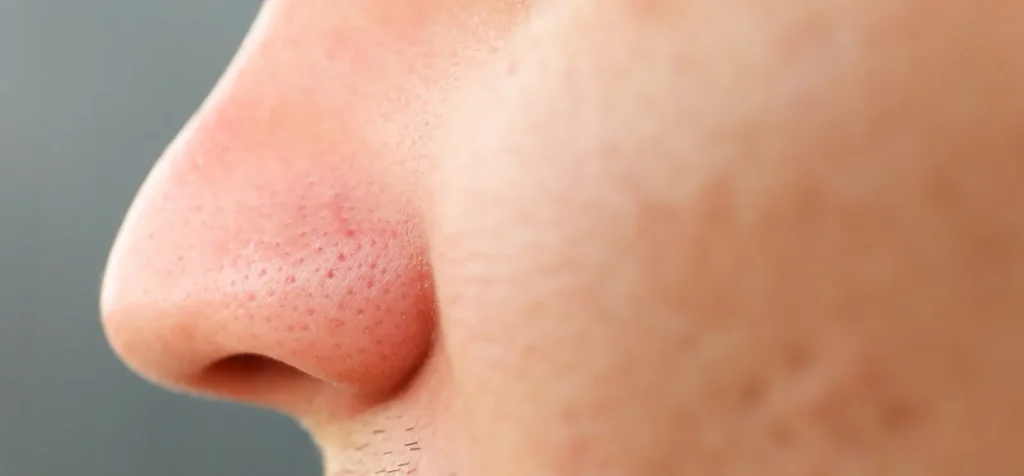
A bulbous nose tip is a tip that looks round, wide or heavy compared with the rest of the nose. It is usually caused by the shape of the tip cartilages, thick skin, or both. Rhinoplasty can refine it, but the right technique depends on which of those causes is behind your tip, which is why an accurate diagnosis matters more than any single procedure.
For many people the tip is the part of the nose they notice most in photos. It can look soft and undefined from the front, or bulky in profile, even when the bridge is straight. The good news is that tip refinement is one of the most common reasons people choose rhinoplasty, and it is often possible to make the tip smaller and more defined while keeping the nose natural and in proportion with your face.
💠 Key takeaways
- Two main causes: large or wide tip cartilages, and thick skin with extra soft tissue. Many noses have a mix of both.
- Cartilage-driven tips usually respond well to tip reshaping, such as trimming and suturing the cartilages.
- Thick-skinned tips need a different plan. Removing too much cartilage can weaken the tip and affect breathing.
- Fillers cannot make a bulbous tip smaller. Surgery is the only lasting way to change its size and shape.
- In the UK, nose reshaping typically costs £4,000 to £7,000, and swelling can take up to 6 months or longer to settle.
What is a bulbous nose tip?
“Bulbous” is not a medical diagnosis but a description of how the tip looks. Surgeons usually use it when the tip:
- Looks wide or round from the front, with no clear points of light where the tip reflects
- Lacks definition, so the tip blends into the nostrils without a defined shape
- Seems heavy or large compared with the bridge and the rest of the face
The American Society of Plastic Surgeons lists a “nasal tip that is enlarged or bulbous, drooping, upturned or hooked” among the features rhinoplasty is designed to change. A bulbous tip can occur on its own or together with other concerns, such as a low or scooped bridge or a hump.
What causes a bulbous tip?
The tip of the nose is shaped by two curved cartilages (the lower lateral cartilages) and the skin and soft tissue that cover them. A bulbous appearance usually comes from one or more of the following:
Large or wide tip cartilages
When the outer parts of the cartilages (the lateral crura) are large or curved, the tip looks broad and rounded.
Wide-set domes
The two cartilages meet at the tip in two “domes”. If these sit far apart, the tip looks boxy rather than defined.
Thick skin and soft tissue
Thick, oily skin and a layer of fibrofatty tissue blur the cartilage underneath, so the tip looks soft and full.
Genetics and heritage
Tip shape is largely inherited, and the balance between skin thickness and cartilage size varies between ethnic backgrounds.
Skin conditions
Rhinophyma, a form of rosacea, thickens the skin of the nose over time. This is treated by a dermatologist first.
Weak tip support
Soft or weak cartilage can let the tip spread and droop, which makes it look wider and less defined.
A 2021 review in Annals of Plastic Surgery compared Eastern and Western noses and found that the cause of a bulbous tip often differs between the two. In Western patients it is more often due to large cartilages, while in many Asian patients the skin plays the bigger role:
“The tip appears big often because of the thick skin envelope and subcutaneous tissue, in contrast to the etiology of large LLC in Western patients.”
Lao WW, Hsieh TY, Ramirez AE. Annals of Plastic Surgery, 2021
Why skin thickness matters
Skin thickness is the single biggest factor in how much definition a tip can achieve. Thin skin shows every detail of the cartilage beneath it, so small changes have a visible effect. Thick skin acts like a heavy blanket: it hides fine detail, holds more swelling, and takes longer to shrink down onto the new framework.
This is why a thick-skinned bulbous tip should not simply be treated by cutting away more cartilage. Doing so removes the support the skin needs to drape over, and can leave the tip collapsed, pinched or harder to breathe through. A study of 82 revision rhinoplasty patients whose tip cartilages had been removed concluded:
“Overresection of the lower lateral cartilages to narrow the tip in individuals with thick skin is frequently followed by dysfunction of the external nasal valve and aesthetic deformities.”
Gubisch W, Eichhorn-Sens J. Aesthetic Plastic Surgery, 2009
What this means for you
With thick skin, the aim is usually to strengthen and project the tip so the skin has a firm structure to settle over, rather than to make the cartilage as small as possible. Your surgeon will assess your skin by sight and touch during consultation and plan around it.
Can a bulbous nose be fixed without surgery?
Not in a lasting way. Dermal fillers are sometimes used in a “non-surgical nose job” to smooth a bump or lift a low bridge, but they add volume. They cannot remove cartilage or make a wide, round tip smaller, and filler placed in the tip carries a real risk to the skin’s blood supply.
- Make-up contouring can soften the appearance of a round tip in photos
- Skincare and medical treatment can help oily skin or rosacea, and should come first if rhinophyma is present
- Surgery is the only way to permanently change the size and shape of the tip
How rhinoplasty refines a bulbous tip
Tip refinement can be done on its own (sometimes called tip plasty) or as part of a full rhinoplasty that also addresses the bridge. Your surgeon may use a closed or open approach. An open approach gives a direct view of the tip cartilages and is often preferred when the tip needs precise reshaping. Common techniques include:
Conservative trimming
A small strip of the upper edge of the tip cartilage is removed to reduce fullness, while a strong rim of cartilage is preserved.
Suture techniques
Fine stitches reshape and bring the domes closer together, narrowing the tip without removing much tissue.
Support grafts
Small pieces of your own cartilage, usually from the septum, strengthen and project the tip, which is especially useful with thick skin.
Soft tissue thinning
In selected thick-skinned noses, some of the fatty tissue under the skin is carefully thinned to help the tip settle.
Good candidates
You may be suitable if your nose has finished growing, you are in good general health, you do not smoke or are prepared to stop, and you have realistic expectations. If you also have trouble breathing through your nose, this can often be addressed in the same operation. Read our guide on how to prepare for rhinoplasty.
How much does bulbous tip surgery cost in the UK?
The NHS states that “the cost of nose reshaping in the UK ranges from £4,000 to £7,000”, and that you should also factor in consultations, any further surgery and follow-up care. Tip-only surgery is sometimes at the lower end of this range, while combined tip and bridge work, grafts and revision surgery cost more. Nose reshaping for purely cosmetic reasons is not usually available on the NHS.
Recovery timeline
According to the NHS, “it might be several months before you see the full effect of the operation, and up to 6 months for the swelling to completely go.” The tip is usually the last area to settle, and thick skin settles more slowly than thin skin.
Realistic results
The goal of tip refinement is a tip that looks smaller, more defined and in balance with your face, not a “surgical” or pinched look. How much definition is possible depends on your anatomy, particularly your skin. Thin to medium skin can show fine detail, while thick skin usually gives a softer, natural result. If you are of Black, Asian or Middle Eastern heritage, you may also find our guide to ethnic rhinoplasty helpful, as it explains how surgery can refine the nose while keeping features that reflect your heritage.
If a bulbous tip has bothered you for a long time, a consultation is the best next step. Your nose and skin will be assessed, your options explained, and you can decide at your own pace. You can book a consultation or read our rhinoplasty FAQs.
Frequently asked questions
What causes a bulbous nose tip?
Usually large or wide-set tip cartilages, thick skin with extra soft tissue, or a combination of both. Genetics play a big part, and a skin condition called rhinophyma can also thicken the nose over time.
Can a bulbous nose tip be fixed without surgery?
Not permanently. Fillers add volume and cannot make a round tip smaller. Make-up contouring can soften it in photos, but only surgery can change the size and shape of the tip for good.
What is the surgery for a bulbous nose called?
It is a type of rhinoplasty, sometimes called tip plasty when only the tip is treated. It reshapes the tip cartilages with conservative trimming, sutures and, where needed, cartilage grafts.
Does thick skin affect the result?
Yes. Thick skin hides fine detail and holds swelling for longer, so results are softer and take longer to appear. The plan usually focuses on supporting the tip rather than removing a lot of cartilage.
How much does bulbous tip surgery cost in the UK?
The NHS gives a UK range of £4,000 to £7,000 for nose reshaping. Tip-only surgery may be at the lower end, while grafts, combined bridge work or revision surgery cost more.
How long does it take for the nose tip to settle?
Most swelling goes within 6 months, but the tip is the last area to settle and can keep refining for a year or more, especially with thick skin.
Will my nose look natural after tip surgery?
The aim is a tip that is smaller and more defined while staying in proportion with your face. Careful, conservative techniques help avoid a pinched or overdone look.
Sources
- American Society of Plastic Surgeons. Rhinoplasty.
- Lao WW, Hsieh TY, Ramirez AE. Differences and Similarities Between Eastern and Western Rhinoplasty: Features and Proposed Algorithms. Annals of Plastic Surgery. 2021;86(3):S259–S264.
- Gubisch W, Eichhorn-Sens J. Overresection of the lower lateral cartilages: a common conceptual mistake with functional and aesthetic consequences. Aesthetic Plastic Surgery. 2009;33(1):6–13.
- NHS. Nose reshaping (rhinoplasty). Page last reviewed 22 September 2023.
This article is for general information only and is not a substitute for personalised medical advice. Suitability, techniques, risks and outcomes can only be determined during a consultation with a qualified surgeon. All surgery carries risks, which will be explained to you in full beforehand.