Afro Tummy Tuck: Planning for Smooth Scars and Natural Curves
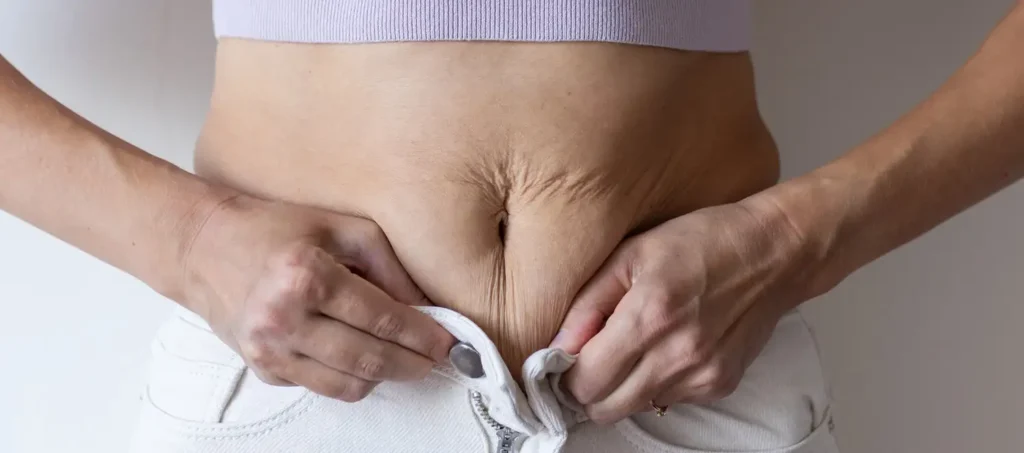
An Afro tummy tuck is an abdominoplasty planned around the skin, scarring tendencies and body shape that are common in people of Black African, African Caribbean and mixed heritage. The operation itself is a standard tummy tuck. What changes is the planning: where the scar sits, how the wound is closed, how the scar is cared for afterwards, and how the waist and hips are shaped so the result suits your natural curves.
Many people with darker skin worry that a tummy tuck will leave a thick, raised or dark scar. That worry is reasonable. Skin with more melanin is more prone to keloid scarring and to darkening after inflammation. These risks can be managed when they are planned for from the first consultation. This guide explains what an Afro tummy tuck involves, what the evidence says about scarring and complications, and how to give yourself the best chance of a smooth, flat scar and a natural looking result. For the procedure in general, see our tummy tuck in London page.
💠 Key takeaways
- An Afro tummy tuck is a tailored abdominoplasty, not a different operation. It removes loose skin and fat and can repair separated stomach muscles.
- The NHS lists people of African Caribbean or Black African origin among those more likely to develop keloid scars. Reported keloid rates in people of African descent range from about 4.5% to 16%.
- A large US study of 18,822 abdominoplasties found African American race was associated with fewer wound complications, not more.
- Your scarring history matters most. Tell your surgeon about any keloid, raised C-section scar or dark marks left by old wounds.
- Low scar placement, tension-free closure, silicone therapy and sun protection are the main tools for a better scar.
What is an Afro tummy tuck?
An Afro tummy tuck is an abdominoplasty tailored to patients of African or African Caribbean heritage, and to anyone with darker skin, usually described as Fitzpatrick skin types IV to VI. Like any tummy tuck, it can:
- Remove excess skin from the lower abdomen, often including stretch marks below the belly button
- Remove stubborn fat, usually alongside liposuction of the abdomen and flanks
- Repair rectus diastasis, the separation of the stomach muscles after pregnancy, using a stitching technique called plication
- Reshape the belly button (umbilicoplasty) so that it looks natural on the new, flatter abdomen
The difference is the priorities. In darker skin, the scar is often what patients worry about most, so the plan is built around protecting it. The shape matters too. Many patients want a flatter stomach but also want to keep, or improve, the curve of the waist and hips rather than end up with a straight up-and-down outline.
What does the evidence say about tummy tucks in Black patients?
Many people assume a tummy tuck is riskier for Black patients. Overall, the published data do not support that. The main difference is in how scars form, not in surgical safety.
A 2022 study in the Annals of Plastic Surgery by Massada and colleagues reviewed 18,822 abdominoplasties in the American College of Surgeons NSQIP database. 6.8% of patients had a complication around the wound, such as infection or wound breakdown. The strongest risk factors were smoking, an ASA grade of 3 or higher (a measure of general health) and a body mass index outside the safer range. On ethnicity, the authors reported a clear finding:
“African American race was a protective factor against surgical site complications (P < 0.01).”
Massada KE et al., Annals of Plastic Surgery, 2022
A separate 2024 analysis in the Aesthetic Surgery Journal by Chaker and colleagues looked at 55,956 abdominoplasties in the CosmetAssure insurance database. The overall rate of major complications was 2.1%. Risk was higher in patients who were underweight or morbidly obese, had diabetes, or were male. Your general health and weight matter far more for safety than your ethnicity.
What this means for you
Wound complications are no more likely because you are Black. Stopping smoking, reaching a stable and healthy weight, and controlling conditions such as diabetes are the most effective ways to make a tummy tuck safer. Scarring is the one area that needs specific planning in darker skin.
Keloids, raised scars and dark marks
Three types of scar change can occur after surgery in darker skin. Telling them apart helps you know what to watch for.
| Scar change | What it looks like | How it is managed |
|---|---|---|
| Hypertrophic scar | Raised, firm and sometimes itchy, but stays within the line of the original incision. Often softens over 12 to 18 months. | Silicone gel or sheets, pressure, steroid injections if needed |
| Keloid scar | Grows beyond the edges of the original wound into the surrounding skin and does not settle on its own. | Early steroid injections, silicone, specialist scar treatment |
| Post-inflammatory hyperpigmentation | The scar or surrounding skin turns darker than your natural skin tone. It is flat, not raised. | Strict sun protection, time, and lightening treatments guided by your clinician |
The NHS states that you are more likely to get a keloid scar if you are of south Asian, Chinese, African Caribbean or Black African origin, if you are aged 10 to 30, if you are pregnant, or if you have had a keloid before. The StatPearls medical reference reports keloid rates of roughly 4.5% to 16% in darker pigmented populations, compared with under 1% in some lighter skinned groups. Most Black patients therefore do not form keloids, but the risk is real enough to plan for.
The NHS also gives a warning that is especially relevant to anyone with a keloid history:
“Surgery to remove the keloid scar is not usually recommended because it’s likely to grow back bigger.”
NHS, Keloid scars (page last reviewed 7 February 2023)
Prevention is therefore much better than cure. The best guide to how your skin will behave is how it has behaved before.
Tell your surgeon if you have
- Any keloid, on the ears, chest, shoulders or anywhere else
- A raised, thick or itchy caesarean section scar
- Dark marks that stayed after spots, insect bites or minor cuts
- A close family member who forms keloids
- A previous scar that was treated with injections or surgery
A raised C-section scar is a useful sign. In many full tummy tucks the old caesarean scar sits within the skin that is removed, so the operation can take it away. However, it also shows how your skin heals on the abdomen, and your surgeon will use that to plan the new scar.
Shaping the waist and keeping your curves
Body contouring for patients of African heritage often aims for an hourglass outline. A good result flattens the stomach while keeping a defined waist and full hips, rather than removing volume everywhere. Your surgeon may combine the tummy tuck with other techniques:
Flank liposuction
Removing fat from the love handles and lower back sharpens the waist. See liposuction and VASER lipo.
Fat transfer to hips or buttocks
Fat removed by liposuction can be used to add shape elsewhere, as in a Brazilian butt lift.
Muscle repair
Plication of separated muscles narrows the waist and flattens a stomach that bulges after pregnancy.
A natural belly button
The belly button is reshaped so it looks natural, with the scar hidden inside it where possible.
Combining procedures can deliver a more complete change in one recovery. In the 55,956-patient CosmetAssure analysis, adding other cosmetic procedures to an abdominoplasty did not increase the risk of major complications compared with an abdominoplasty alone. The right combination still depends on your health, the length of surgery and your goals. After pregnancy, some patients also combine a tummy tuck with breast surgery as a mummy makeover.
Who is a good candidate for an Afro tummy tuck?
You may be suitable if
- You have loose or overhanging skin on the lower abdomen that exercise has not improved
- Your stomach muscles have separated after pregnancy
- Your weight has been stable for at least six months and is close to your goal
- You do not smoke or vape, or are willing to stop well before and after surgery
- You have finished having children, or understand how a future pregnancy could affect the result
- You have realistic expectations, including that there will always be a scar
A history of keloids does not automatically rule you out. It does mean a more careful conversation about the scar, a lower threshold for early scar treatment, and in some cases choosing a smaller operation. If you have a history of severe keloids, your surgeon may advise against surgery altogether. That is part of a responsible assessment.
Types of tummy tuck
The type of tummy tuck decides the length and position of the scar, so it matters even more when you are prone to raised scars. Our guide to the mini vs full tummy tuck explains the differences in more detail.
- Mini tummy tuck: a shorter low scar, suitable only for a small amount of loose skin below the belly button.
- Full tummy tuck: a hip-to-hip scar low in the bikini line plus a scar around the belly button. This is the most common choice after pregnancy.
- Extended tummy tuck: the scar continues around the hips to treat the flanks as well. It is useful after larger weight loss.
- Fleur-de-lis abdominoplasty: adds a vertical scar to remove skin from side to side. It gives the most tightening, but the 2024 CosmetAssure analysis found it had the highest complication rate of the seven types studied.
Where skin quality allows, the general aim in keloid-prone skin is the shortest scar that will still give a good result.
What the surgery involves
A tummy tuck at Linia is usually performed under general anaesthetic and takes around 2 to 3 hours. For an Afro tummy tuck, several technical details are planned with the scar in mind:
- Low scar placement, marked while you are standing so that the scar sits within your underwear or bikini line
- Tension-free closure, using deeper stitches to carry the load so the skin edges are not pulled tight, which is a key trigger for raised scars
- Careful handling of tissue and minimal use of heat at the skin edges to reduce inflammation
- Absorbable stitches under the skin, avoiding stitch marks on the surface
- A plan for early scar treatment, agreed before surgery rather than after a problem appears
You will usually wear a compression garment afterwards. It helps control swelling and supports the new contour.
Recovery timeline
Recovery is similar to any tummy tuck. Your aftercare team will give you personalised advice. The general pattern is:
Scar care for darker skin
What you do in the year after surgery has a big effect on the final scar. These are the steps that matter most:
Silicone gel or sheets
Used daily for several months once the wound has healed. Silicone is a first-line option for preventing raised scars.
Protect the scar from sun
UV light can darken a new scar for good. Keep it covered or use a high SPF for at least the first year.
Avoid tension
Follow lifting and exercise limits. Stretching a healing scar is one of the main causes of widening and thickening.
Report changes early
If the scar becomes raised, itchy or starts to spread, get it seen promptly. Early steroid injections work better than late treatment.
Do not book laser treatment, peels or skin-lightening creams for a new scar without checking with your clinician first. Some treatments can themselves trigger darkening in skin of colour. For a detailed timeline of how tummy tuck scars change, read how long tummy tuck scars take to heal and fade.
Frequently asked questions
What is an Afro tummy tuck?
It is an abdominoplasty tailored to people of African or African Caribbean heritage and others with darker skin. The surgery removes loose skin and fat and can repair the stomach muscles, with extra planning around scar placement, keloid prevention, pigmentation and keeping natural curves.
Will I get a keloid after a tummy tuck?
Most Black patients do not. Reported keloid rates in people of African descent range from about 4.5% to 16%. Your own history is the best predictor, so tell your surgeon about any previous keloid or raised C-section scar.
Is a tummy tuck more dangerous for Black women?
The evidence does not show that. A study of 18,822 abdominoplasties found African American race was associated with fewer wound complications. Smoking, a high or very low BMI and diabetes have a much bigger effect on risk.
Will my tummy tuck scar be darker than my skin?
A new scar often looks darker in skin of colour for several months. In many cases it fades gradually as it matures over 12 to 18 months. Sun protection and following your scar care plan give it the best chance to settle.
Can a tummy tuck remove my C-section scar?
Often, yes. In a full tummy tuck the old caesarean scar usually sits within the skin that is removed, and it is replaced by a new scar in a similar low position.
Can I combine an Afro tummy tuck with liposuction or a BBL?
Many patients combine a tummy tuck with flank liposuction, and some add fat transfer to the hips or buttocks for an hourglass shape. Whether this is right for you depends on your health and goals, and is decided at consultation.
How long is recovery from an Afro tummy tuck?
Most people take 1 to 2 weeks off work and return to normal activity in around 4 to 6 weeks. The scar keeps improving for 12 to 18 months.
Sources
- Massada KE, Baltodano PA, Webster TK, et al. Optimizing Abdominoplasty Surgical Site Morbidity Profiling Through an Effective and Nationally Validated Risk Scoring System. Annals of Plastic Surgery. 2022;88(3):S274–S278.
- Chaker SC, et al. Complications and Risks Associated With the Different Types of Abdominoplasties: An Analysis of 55,956 Patients. Aesthetic Surgery Journal. 2024. PMC11683586
- NHS. Keloid scars. Page last reviewed 7 February 2023.
- StatPearls. Keloid. NCBI Bookshelf, StatPearls Publishing.
This article is for general information only and is not a substitute for personalised medical advice. Suitability, techniques, risks and outcomes vary from person to person and can only be determined during a consultation with a qualified plastic surgeon. All surgery carries risks, which will be explained to you in full beforehand.