
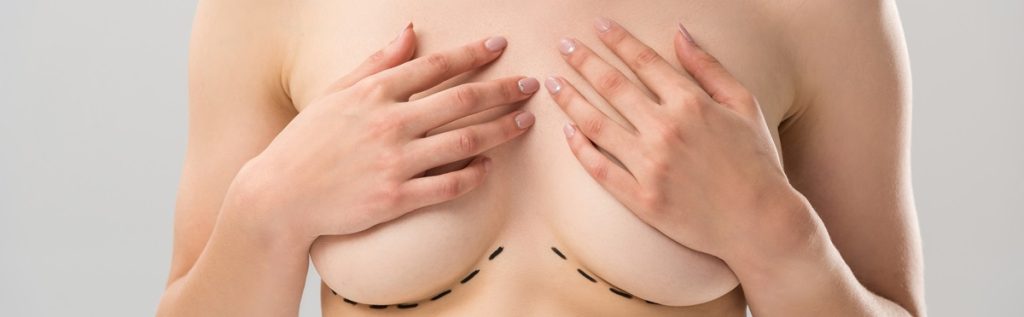
Breast Reduction Scars: What to Expect and How to Minimise Them
Breast reduction is one of the most rewarding procedures in cosmetic and reconstructive surgery, offering relief from physical discomfort and a welcome boost in confidence. Yet for many people considering it, one question stands out above the rest: what will the scars look like? It is a completely understandable concern, and having a clear, honest picture of what to expect can make the decision far easier.
In this guide, we explain where breast reduction scars typically appear, how they change over time, and the many things you and your surgeon can do to help them heal as discreetly as possible.
- Breast reduction always leaves some scarring, but incisions are placed to stay hidden.
- Anchor, lollipop, and limited techniques each carry a different scar pattern.
- Scars typically mature over 12–18 months, becoming much paler and flatter.
- Good aftercare, silicone products, and sun protection help scars heal well.
- Later treatments — lasers, steroid injections, microneedling — can refine mature scars.
- For most patients, the benefits of surgery far outweigh the presence of scars.
1 Why Does Breast Reduction Leave Scars?
Scarring is a natural part of how the body heals whenever the skin is cut. During a traditional breast reduction, the surgeon removes excess fat, glandular tissue, and skin, then reshapes the breast and repositions the nipple. This requires incisions, and wherever an incision is made, a scar will form as the skin knits back together.
The good news is that surgeons are highly skilled at placing these incisions thoughtfully, so that scars are positioned where they can be hidden as much as possible. Understanding why scars occur helps set realistic expectations and shifts the focus towards how they can be managed and minimised.
2 Where Are Breast Reduction Scars Usually Located?
The pattern of scarring depends on the surgical technique used, which in turn depends on the size of the reduction and the shape you are hoping to achieve.
The most common pattern is the anchor technique, which leaves a scar around the edge of the areola, a vertical scar running down to the breast crease, and a horizontal scar along the crease itself. Another frequently used method is the lollipop technique, which involves a scar around the areola and a single vertical scar, with no horizontal line. For smaller reductions, a more limited approach may be possible, resulting in even less scarring. Your surgeon will explain which technique suits you and exactly where your scars are likely to be.
3 What Do the Different Scar Patterns Mean?
Each scar pattern reflects a balance between the amount of tissue removed and the reshaping required. Choosing the right technique is about achieving the result you want while keeping scarring to the minimum that your individual case allows.
Anchor Pattern
Leaves the most scarring but allows for the greatest reduction and reshaping, making it ideal for larger breasts.
Lollipop Pattern
Fewer scars, suited to moderate reductions where less skin needs to be removed.
Limited / Liposuction
Procedures relying mainly on liposuction leave only tiny marks, but they suit modest reductions and good skin elasticity.
4 How Do Breast Reduction Scars Change Over Time?
It is important to remember that scars are not static. In the early weeks and months, fresh scars often appear red, raised, and quite noticeable, which can be disheartening if you are not prepared for it. This is a completely normal stage of healing.
Fresh scars appear red, raised, and quite noticeable. This is a completely normal early stage of healing.
Scars gradually flatten, soften, and fade in colour, usually settling to a paler, less conspicuous line.
Full maturation. Scars reach their final appearance, and patience during this period is essential.
Full maturation can take anywhere from twelve to eighteen months, and sometimes longer. Patience is key, as the appearance of a scar at six weeks is rarely a reflection of how it will look once it has fully healed.
5 Will My Scars Be Very Noticeable?
For most people, breast reduction scars become far less noticeable than they fear, particularly once they have had time to mature. Because the incisions are carefully placed around the areola and within the natural breast crease, much of the scarring is concealed by the shape of the breast itself.
That said, everyone heals differently, and factors such as skin type, genetics, and how well the skin responds to surgery all play a role. While no surgeon can promise invisible scars, a skilled and experienced surgeon will do everything possible to ensure your scars are as flat, pale, and discreet as they can be.
6 What Affects How Scars Heal?
A number of factors influence how well a scar heals. Some are within your control, while others are determined by your individual biology.
Genetics play a significant part, as some people are simply more prone to raised or darker scars. Skin tone can also affect how visible a scar is, and those with darker skin may be more likely to experience pigmentation changes or thickened scars. Lifestyle factors such as smoking, poor nutrition, and excessive sun exposure can all impair healing, while good general health supports it. Following your surgeon’s aftercare advice closely is one of the most important things you can do to give your scars the best chance of healing well.
7 How Can You Minimise Breast Reduction Scars?
While you cannot prevent scarring entirely, there is a great deal you can do to help your scars heal as discreetly as possible. The foundation is excellent aftercare, beginning with keeping the incisions clean and protected exactly as your surgeon advises.
Once the wounds have healed, silicone gels and sheets are widely regarded as effective in softening and flattening scars. Gentle massage of mature scars can improve their texture, and keeping the area out of direct sunlight prevents darkening. Maintaining a healthy diet, staying hydrated, and avoiding smoking all support your body’s natural healing. Your surgeon will guide you on when and how to begin each of these steps.
- Keep incisions clean and protected
- Apply silicone gel or sheets when advised
- Gently massage mature scars
- Keep the area out of direct sunlight
- Eat well and stay hydrated
- Avoid smoking during healing
- Attend all follow up appointments
- Follow every step of your surgeon’s aftercare
8 Are There Treatments to Improve Scars Later On?
If you are unhappy with the appearance of your scars once they have matured, several treatments may help to improve them further. These are usually considered only after the scar has fully settled, which can take well over a year.
Laser Treatments
Reduce redness and improve overall scar texture on mature scars.
Steroid Injections
Useful for flattening and softening raised or thickened scars.
Microneedling & Topicals
Encourage remodelling of scar tissue and refine appearance. Minor scar revision may be considered in rare cases.
Your surgeon or skin specialist can assess your scars and recommend the most suitable approach if you wish to refine their appearance.
9 What If I Develop Raised or Thickened Scars?
Some people are prone to hypertrophic or keloid scars — raised, thickened, and sometimes itchy or uncomfortable. These occur when the body produces an excess of collagen during healing.
If you know that you scar in this way, it is important to tell your surgeon before your procedure, as they can take extra precautions and plan your aftercare accordingly. Should raised scarring develop, treatments such as silicone therapy, steroid injections, and pressure therapy can often help to flatten and soften the scar over time.
10 How Do Scars Compare to the Benefits of Surgery?
For the vast majority of people who undergo breast reduction, the benefits far outweigh the presence of scars. Relief from back, neck, and shoulder pain, improved posture, easier exercise, and a renewed sense of confidence are commonly reported, and many patients say they would happily make the same choice again.
Scars tend to fade and become a minor consideration over time, whereas the physical and emotional improvements are felt every single day. Viewing scarring as a fair trade for these life changing benefits helps many people approach the decision with peace of mind.
11 Frequently Asked Questions
How long does it take for breast reduction scars to fade?
Most scars take between twelve and eighteen months to fully mature and reach their final, paler appearance.
Can I wear a normal bra over my scars?
Yes, once healed your scars sit within areas that are easily covered by most bras and swimwear.
When can I start using scar treatments?
Silicone products and similar treatments are usually started only after the incisions have fully closed, as advised by your surgeon.
Do scars hurt as they heal?
Scars may feel tight, itchy, or tender during healing, but this discomfort usually eases as they mature.
Will sun exposure affect my scars?
Yes, sun exposure can darken healing scars, so keeping them covered or protected is strongly recommended.
Can scars be completely removed?
Scars can be made far less noticeable but cannot be erased entirely, as some mark always remains where the skin was cut.
Considering a breast reduction?
Book a personal consultation with our specialist surgeons to discuss your goals, explore your options, and get honest, expert advice on what to expect from your scars.