Achieve natural, symmetrical nipples
Nipple Correction Surgery in London Harley Street
Nipple correction surgery addresses concerns such as inversion, asymmetry, enlargement, or position to restore a natural, balanced appearance. Procedures are performed at Linia on Harley Street by experienced surgeons with a focus on precision and minimal scarring.
- 15,000+ Patients
- Personalised Care
- 5-Star Rated
- Real Results
25+ yrs of excellence – consultation, procedure and aftercare.
Nipple Correction
Nipple correction surgery is a procedure that we often combine with an areola reduction (the areola is the darker area surrounding the nipple), breast augmentation, breast lift or breast reduction. The procedure can correct inverted nipples, address enlarged or asymmetric nipples, shorten the nipple length and width or raise them to a higher position.
If you have had a botched surgery or suffered from cancer and had a mastectomy or any kind of breast removal, you may be looking to restore your natural feminine look. We have the experience, expertise and passion to perform these procedures to a high standard and help you to feel more like you again.
Why People Choose Nipple Surgery
People choose nipple surgery for a variety of reasons, including:
Larger or Smaller Nipple Size: Some individuals may seek to adjust the size for a more proportionate look.
Aesthetic Enhancement: For a more symmetrical or naturally shaped appearance.
Restoration After Surgery: Often following breast cancer surgery to rebuild or reshape the nipple.
Correcting Inverted Nipples: Addressing inwardly drawn or retracted nipples.
15,000+
Cosmetic Surgery Operations Performed
25+
Years Experience in Cosmetic Surgery


Considerations Before Nipple Surgery
Before undergoing nipple surgery, there are important factors to consider:
- Health and Medical History: Ensure that you discuss any pre-existing conditions or concerns, especially for those who may have had previous surgeries.
- Expectations: Understand that the results may take time to show, and some residual scarring may occur. Discuss your desired outcome with your surgeon to align on expectations.
- Scarring: As with any surgery, scarring is inevitable but can often be minimised with proper aftercare and attention.
- Breastfeeding: In some cases, nipple surgery can affect the ability to breastfeed, so it’s essential to consider this if you’re planning to have children in the future.
Benefits of Nipple Surgery
- Boosted Self-Confidence: A more symmetrical and proportionate appearance can help enhance body confidence.
- Restoration of Natural Appearance: Especially beneficial for those who have undergone mastectomy or have concerns about nipple appearance.
- Improved Comfort: In certain cases, such as with inverted nipples, the procedure can make everyday activities more comfortable.

Nipple Reconstruction Surgery
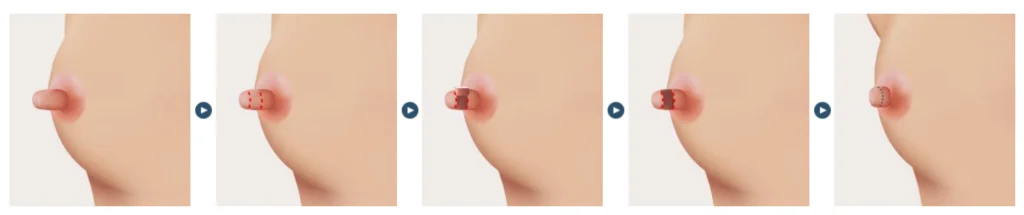
Nipple reconstruction is the process that involves either the restoration of your existing nipple or the creation of a completely new one and is normally performed following a mastectomy or as part of a more entire breast reconstruction.
Some male patients may want this procedure after a previously botched Gynecomastia surgery to restore the look of their nipple.
Patients often find following surgery they are more confident and happier with the appearance of their breasts.
- Skin graft reconstruction – For this form of nipple reconstruction the surgeon will take a small section of skin from somewhere else on your body, such as your buttocks, stomach or inner thigh and use it to create a new areola. In some cases, the surgeon may be able to use excess skin, if there is enough available to create the nipple from the breast mound.
- Skin flap reconstruction – for this method of nipple reconstruction, the surgeon can raise small skin flaps from the area where the new nipple is going to be created and then fold and sew them together over the skin in the surrounding area to create a bump that will form the brand-new nipple.

Nipple Inversion Surgery
Nipple inversion surgery, otherwise known as inverted nipple surgery is a form of nipple correction surgery used to, as you may have guessed, correct inverted nipples.
The condition known as inverted nipple involves the nipple being pulled into the breast or is flat.
It is more common than you may think and around 1 out of 10 women and men are affected.
It is normally caused by the milk ducts not being big enough, which means they pull the nipple inwards, stopping them from protruding naturally.
It normally begins from puberty, as that’s the time in life when most changes occur to your breasts onwards and can be quite a gradual process.
With inverted nipple surgery, the nipple is corrected so the nipple it projects outwards more naturally.
This is achieved by the surgeon either cutting or stretching the milk ducts that are too short.
This alleviates the tension causing the nipple to go inwards, ensuring it comes out the way it is supposed to.
The procedure is very straight-forward and in a matter of weeks you would be unable to tell the nipple had been inverted.

Nipple Repositioning Surgery
With age, significant weight loss or pregnancy and childbirth, changes can, and often do occur in your breasts.
Commonly, they can sag and lose the firmness and pertness they had when you were younger.
Although there are various breast muscle exercises and massage techniques you can try, these will not produce the results you are looking and hoping for.
Sometimes the only real solution to a problem like that is through a breast or even a nipple lift.
Sometimes the problem is less about the breast as a whole, or if the nipple is only sitting slightly lower than normal, a nipple lift can be an adequate solution without getting too invasive and complicated.
Nipple repositioning involves both the areola and the nipple being lifted and established in a natural position.
Once the nipple has been moved to a better position, the surgeon can then reconnect its blood vessels and nerves.
The Week-by-Week Recovery Process
Week 1:
- Immediate post-operative care includes pain management and ensuring no infection. Swelling and bruising are common during this period. Patients should avoid any strenuous activity or pressure on the chest area.
- Dressings and bandages are usually kept on for a few days to protect the surgical site.
Week 2-3:
- The initial swelling will begin to subside. Stitches may be removed or dissolve naturally. You’ll start to notice the early shape of the nipple starting to form.
- Light activities can be resumed, but heavy lifting and intense exercise should still be avoided.
Week 4-6:
- By this time, most of the swelling should have gone down, and the healing process will be well underway. You may start wearing a more supportive bra as advised by your surgeon.
- Scarring is normal, but it should start to fade and become less noticeable.
Week 8-12:
- You’ll be able to resume more normal activities, including moderate exercise. However, the full results will take a few months to be fully visible, as the final shape and symmetry of the nipples will settle.
- Final healing, including scar maturation, may take up to a year.
Questions & Answers
Some common questions we get asked about nipple surgery
What is nipple surgery?
Nipple surgery, also known as nipple reconstruction or nipple repair, is a surgical procedure aimed at altering the appearance of the nipple and areola. It can involve procedures such as nipple reduction, nipple reconstruction, or areola reshaping.
What are the common reasons for undergoing nipple surgery?
Nipple surgery may be performed for various reasons, including:
- Correcting congenital abnormalities or irregularities in nipple size, shape, or position.
- Addressing changes in nipple appearance following breast reconstruction surgery.
- Enhancing the aesthetic appearance of the nipple and areola.
How is nipple surgery performed?
The specific technique used for nipple surgery depends on the patient’s individual needs and goals. Generally, the procedure involves making precise incisions around the nipple and areola to access the underlying tissue. The surgeon may then reshape or reconstruct the nipple and areola as needed before closing the incisions with sutures.
What types of nipple surgery procedures are available?
Nipple surgery procedures may include:
- Nipple Reduction: Reducing the size of the nipple if it is overly prominent or enlarged.
- Nipple Reconstruction: Creating a new nipple mound using tissue from the surrounding area or synthetic materials, often performed as part of breast reconstruction surgery.
- Areola Reshaping: Adjusting the size and shape of the areola to achieve a more balanced appearance.
Is nipple surgery performed under anesthesia?
Yes, nipple surgery is typically performed under local anesthesia with sedation or general anesthesia, depending on the complexity of the procedure and the patient’s preference.
What is the recovery process like after nipple surgery?
After nipple surgery, patients may experience mild discomfort, swelling, and bruising around the treated area. Pain medication may be prescribed to manage any discomfort during the initial healing period. Patients are advised to avoid strenuous activities and follow post-operative care instructions provided by their surgeon.
Are there any risks or complications associated with nipple surgery?
While nipple surgery is generally safe, like any surgical procedure, it carries certain risks, including infection, bleeding, scarring, changes in nipple sensation, and asymmetry. Patients should discuss these risks with their surgeon before undergoing the procedure.
When will I see the final results of nipple surgery?
While some initial improvement may be noticeable soon after the surgery, it may take several weeks for the swelling to fully subside and the final results to become apparent. The appearance of the nipple and areola will continue to improve and refine over time.
How long do the results of nipple surgery last?
The results of nipple surgery are generally long-lasting, especially when performed by a skilled and experienced surgeon. However, factors such as aging, weight fluctuations, and pregnancy may affect the appearance of the nipples and areolas over time.
How can I schedule a consultation for nipple surgery?
If you’re considering nipple surgery, we recommend scheduling a consultation with a board-certified plastic surgeon specializing in breast surgery. During the consultation, the surgeon will evaluate your concerns, discuss your goals, and recommend the most suitable treatment options for you.
What Will The Nipple Correction Procedure Involve?
The approach to surgery will depend on the cosmetic concern that you’re looking to address. There are many nipple variations. One nipple may protrude, while the other may be inverted, but they’re all normal.
We can usually perform a nipple correction procedure under local anaesthesia or IV sedation to minimise downtime and risks. However, this depends on whether we will combine nipple correction with any other procedures.
INVERTED NIPPLE CORRECTION
The surgeon will make a small incision along the centre of the nipple, through which they will pull the nipple out by releasing the tethered fibres, so it protrudes naturally. They will then close the incision with a stay suture that holds the nipple in the outward position. Following this, your surgeon will wrap a dressing around your chest. Occasionally, we can resolve this with the use of dermal filler.
NIPPLE REDUCTION
For a nipple reduction, the incision is discreet within the areola where the surgeon will remove the unwanted tissue to reduce its size or reshape it. They may repeat the process on both nipples to achieve optimal balance. We often combine this procedure with an areola reduction to reduce the size of the darker area surrounding the nipple.
NIPPLE REMOVAL
This operation is minimally invasive, quick and has virtually no downtime. We can also perform this operation with a local anaesthetic. The surgeon will make a small incision to remove the nipple and close it with an inconspicuous scar.
NIPPLE LIFT
Your surgeon will make a small incision around the areola and remove the nipple and areola and move it to a more natural position. The surgeon reconnects the nipple back to the nerves and blood vessels.
Who Is The Nipple Correction Procedure Suitable For?
The procedure is suitable for anyone who:
- Is unhappy with the shape, position or size of their nipples
- Has puffy nipples and areolas
- May have asymmetry of the nipples
- Has inverted nipples
- Requires a subtle lift (can improve the appearance of tuberous breasts by improving the nipple shape)
When Can Results of Nipple Correction Be Seen?
INVERTED NIPPLE
You should see immediate results, but optimal results will show after around two weeks.
NIPPLE REDUCTION
After ten days, the nipples should be healing well, but optimal results will show between 3-6 months.
NIPPLE REMOVAL
After around two weeks. You may have a small scar which will fade over time.
NIPPLE LIFT
Results will be immediate, but you may have swelling that lasts for a few weeks.
How Long Is Recovery of Nipple Correction?
INVERTED NIPPLE CORRECTION
Downtime is minimal so you can return to work immediately but should try to avoid vigorous exercise for the first week. We remove the stitches after one week. We’ll encourage you to avoid wearing tight clothing for up to 6 weeks and to make a hole through your bra, so the nipple doesn’t revert inwards. You may encounter sensitivity or changes in nipple sensation that can last six weeks.
NIPPLE REDUCTION
You should be able to return to work as soon as you feel ready. You will experience some swelling and soreness for the first week or two after your nipple correction. The stitches are absorbable and won’t require removal. The nipple usually heals within around ten days. The surgeon may recommend that you wear a protective garment to aid recovery.
NIPPLE REMOVAL
Overall recovery is around a week. The stitches we use are usually absorbable so won’t need removing. We may require you to wear a surgical dressing.
How Long Does The Nipple Correction Procedure Take?
Approximately 30 minutes – 1 hour.
What Are The Risks of Nipple Correction?
- Changes in nipple sensation
- The potential loss of ability to breastfeed
- Recurrence of an inverted nipple
- Tenderness
- Swelling, bruising and discomfort – with a nipple reduction
Before & After
Nipple Surgery
Nipple correction surgery is a procedure that we often combine with an areola reduction (the areola is the darker area surrounding the nipple), breast augmentation, breast lift or breast reduction. The procedure can correct inverted nipples, address enlarged or asymmetric nipples, shorten the nipple length and width or raise them to a higher position.
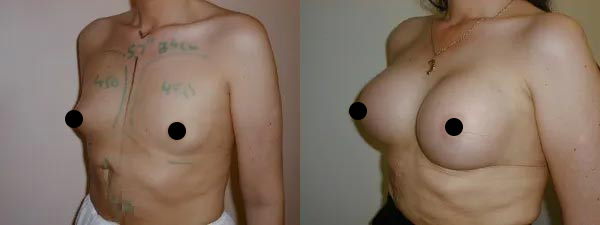
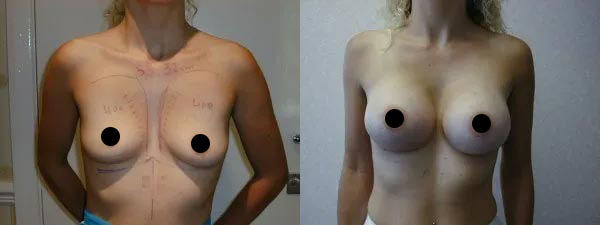
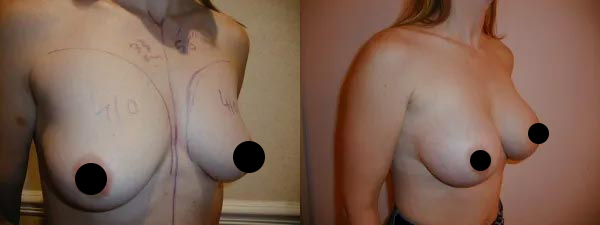
Are you ready to achieve the body you’ve always wanted? Book a free consultation
The LINIA Promise
- At LINIA, we promise to treat you as a valued individual with the utmost dignity and privacy.
- At LINIA, we promise to ensure that your treatment is tailored to your personal needs.
- At LINIA, we promise to provide post-operative care for life. T&C’s apply.
- At LINIA we promise to provide you free refinement surgery. T&C’s apply.
- At LINIA, we promise to be available for 24-hour cover.

Linia Cosmetic Surgery – London & Across the UK – As Seen On









What Our Patients Say
For over 25 years, patients have trusted us for expert treatments. Here’s what they have to say.
Just a quick note to say Thank you for my new boobs!!
I have always felt out of proportion, but now i feel whole for The first time in my life!
Thank you to you all for your care d expertise, and I hope to see you all again when I come down with Kristi next year.
Love Emma Baker (the twins!!)
🟊🟊🟊🟊🟊
Mr Aslam,
You kindly said you would be able to send me my “before + after” photo’s if I wrote to you, I would be grateful if I could have them to continue to admire your great work!!!
Many thanks,
🟊🟊🟊🟊🟊
Dear Mr Aslam, Thank you so much for everything you have done. I’m so happy with the results!
Best wishes,
🟊🟊🟊🟊🟊
Excellent service. Kind, friendly, reassuring and very professional from walking through the door to leaving resulting in outstanding results! Thank you
🟊🟊🟊🟊🟊
I honestly couldn’t recommend Linia enough, from start to finish they were absolutely amazing and my PC Lauren was such a star throughout. They turned what was a stressful situation for me from being let down by another company into such an exciting experience and my results are what I always dreamt of x
🟊🟊🟊🟊🟊
I just want to say a big thankyou to the whole team!! I am absolutely amazed with the result. It was exactly how I wanted my breast to be. Thankyou Dr. Irshad from the consultation to the actual surgery. Thankyou Mojdeh you have been amazing!! Made me feel comfortable throughout the journey and reassured me with everything. THANKYOU ALL❤️
🟊🟊🟊🟊🟊
The process was amazing from start to finish. Dr Irshad did an amazing augmentation and I’m extremely happy with my results. His team were great. My Patient Support Advisor Jayne was always on hand if I had any issues or questions. I felt in safe hand with the surgical team. The hospital was lovely, clean and staff were friendly. I would 100% use them again in the future!
🟊🟊🟊🟊🟊
The experience was absolutely amazing. I was in and out within 4 hours. The employees were very friendly and helpful. Mr Aslam was wonderful. He talked me through every step of the process. I was very well looked after and would highly recommend him to anyone. Many thanks to everyone at Harley St. Sobia you have been great. Thank you!
🟊🟊🟊🟊🟊
I had a ba 3 weeks ago and I cannot THANK everyone enough. Everyone I met were amazing with me and so kind. I got quite emotional when I woke up after surgery and the ladies looking after me cared for me so much and I can’t be happier. Definitely recommend x
🟊🟊🟊🟊🟊
I had treatment with Dr Aslam, he and his staff are lovely, attentive and caring. Dr Aslam did an exceptional job with my treatment. Something that was my biggest insecurity I feel is now one of my assets! Highly recommend! Thank you so much for everything you have done.
🟊🟊🟊🟊🟊
Had treatment by Dr. Irshad at Harley Street. Cant thank him or his team enough, the results are amazing!! Highly recommend Linia and Dr. Irshad for anyone looking into cosmetic surgery. The first consultation, the operation and post-op meetings have been great! 10/10
🟊🟊🟊🟊🟊
I can’t thank Linea enough for the amazing experience they provided me with, from consultations all the way through to post op appointments. Dr Aslam and his team were fantastic , I would highly reccomend them!
🟊🟊🟊🟊🟊
I’ve no complaints at all his surgery and staff are great and he’s in Harley Street(London) for a reason thanks Dr Aslam your clearly a very skilled professional
🟊🟊🟊🟊🟊
Very good experience, excellent environment and good treatment. Recommended
🟊🟊🟊🟊🟊
Hello Everyone – I recently attended Linia Cosmetic Clinic at Harley Street. Yes! I was scared, nervous and excited at the prospect of an “S” lift, eye procedure and B.A whilst being aware and awake. SOUNDS silly but l enjoyed it, listening to everything being explained and some lovely music of my choice. Most important of all were the staff and Mr Aslam who made you feel relaxed and confident. So anyone considering? GO FOR IT.
🟊🟊🟊🟊🟊
Neck Lift Procedure – Quick and Efficient. Good Quality Care and Follow Up. Very Good Results. Pleasant and Professional Staff. Experience was as Described.
🟊🟊🟊🟊🟊
Upper Eye Lid Surgery – I would highly recommend Linia they were very efficient from consultation through to the aftercare. I am very pleased with the surgery Dr Aslam carried out. I had the same surgery 10 years ago with Spire with minimal success. Thank you Linia.
🟊🟊🟊🟊🟊
Customer Service was excellent, staff were very supportive both prior to and following the procedure, answering any questions, worries or concerns that I had very quickly and thoroughly. Would recommend Linia and would definitely consider other procedures to be performed at Linia
🟊🟊🟊🟊🟊
Dr Aslam has been great during this experience. The Linia team and nurse staff have also done all they could to support me. I found having my op under local strange at first (I have a fear of needles). I was very worried – but having it done was great compared to general. My recovery time was much less and I was back to work much sooner than expected.
🟊🟊🟊🟊🟊
Local anaesthetic was a much better experience than general. It was more relaxed and less painful. Recovery time was a lot quicker – there was no drowsiness or feeling sick. I would definitely use this option again if needed.
🟊🟊🟊🟊🟊
Latest Blogs

Restoring Breast Firmness After Pregnancy: A Complete Guide to Reducing Sagging Naturally
Pregnancy and breastfeeding transform a woman’s body in remarkable ways, and one of the changes many mothers notice…

How Lower Body Lift Surgery Removes Excess Skin and Transforms Your Silhouette
A lower body lift, also referred to as a belt lipectomy or circumferential body lift, is a comprehensive…

Understanding the Causes, Risks, and Solutions for Breast Implant Rippling and How to Prevent It for Natural-Looking Results
What is breast implant rippling? Breast implant rippling refers to the visible or tactile folds, waves, or wrinkles…

How Asian Eyelid Surgery Can Transform Your Look Safely
Asian eyelid surgery, also known as double eyelid surgery or Asian blepharoplasty, is one of the most commonly…

Why Some Patients Need a Revision or Secondary Facelift
What is a Revision or Secondary Facelift? A revision facelift, also known as a secondary facelift, is a…

Understanding the Key Differences Between High and Low Profile Breast Implants
Choosing the right breast implants is one of the most important decisions you’ll make during your breast augmentation…

A detailed and comprehensive guide to revision breast augmentation, covering causes, surgical options, risks, and long-term results.
Breast augmentation remains one of the most popular cosmetic procedures worldwide, offering transformative results for countless patients. However,…

Everything You Need to Know About an Ethnic Nose Job and Its Results
Ethnic rhinoplasty, commonly referred to as an ethnic nose job, represents a specialised branch of cosmetic surgery that…





Request a consultation
"*" indicates required fields

Premier Cosmetic Surgery on Harley Street
Enquire Online
Opening Hours:
- Monday – Thursday10 am – 8 pm
- Friday10 am – 5 pm
- Saturday10 am – 4 pm
Are you ready to achieve the body you’ve always wanted?
in-clinic & Virtual consultations
Partners & Awards