Blog from LINIA Cosmetic Surgery

LINIA Cosmetic Surgery
September 27, 2024 Face Treatments Blogs

Under Eye Surgery: What is the Best Cosmetic Procedure for Under Eye Bags?

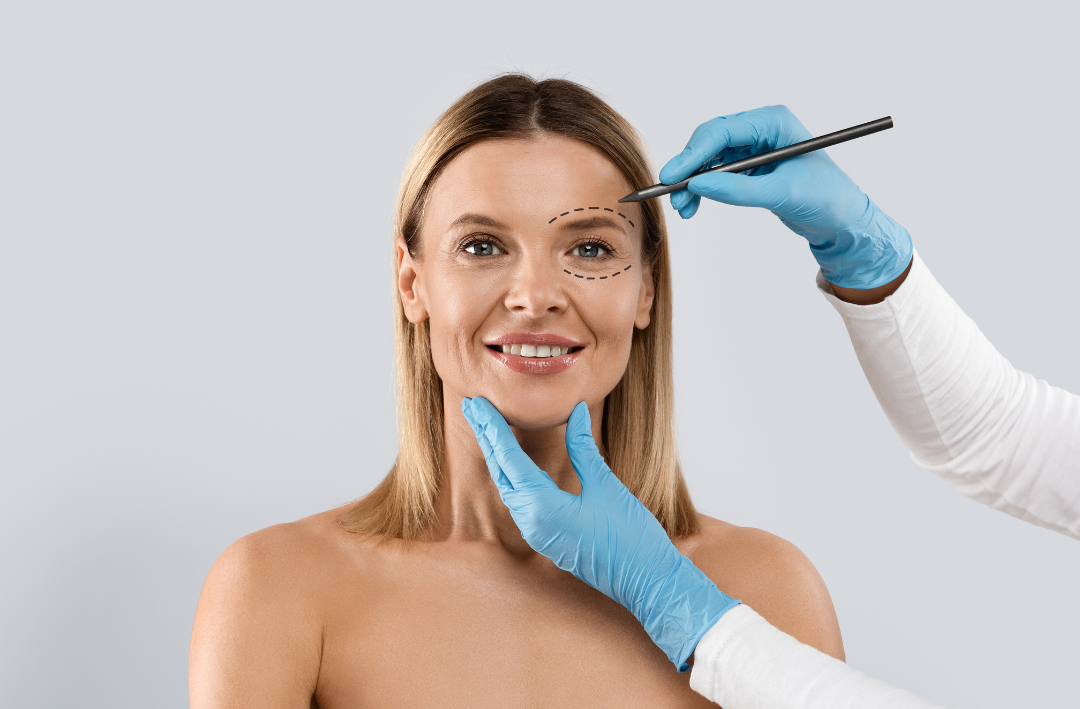
Under-eye bags can make you look tired, older or even unwell, which is why so many people seek solutions to get rid of them. While lifestyle changes or skincare products may offer some improvement, cosmetic surgery remains the most effective option for a long-term solution. Among the various treatments, blepharoplasty stands out as a top choice. Blepharoplasty is a cosmetic surgery that removes excess skin or fat from the eyelids. In this blog, we will explore the best cosmetic surgeries for under-eye bags, focusing on blepharoplasty and comparing it with other options to help you make an informed decision.What Causes Under Eye Bags?Before exploring the surgical solutions, it’s essential to understand what causes under-eye bags. While lack of sleep and dehydration are common culprits, the real cause often lies deeper in your facial structure and skin.Under-eye bags typically form because of aging, where the tissues and muscles supporting the eyelids weaken. Fat deposits that used to support the eyes can shift downward, creating that puffy or swollen look beneath the eyes. Genetics can also play a role, and lifestyle factors like sun exposure or smoking may quicken the process.While some creams and non-surgical options exist to minimise these effects, cosmetic surgery to remove persistent under-eye bags is often the only way to fully resolve them.Overview of Cosmetic Surgeries for Under Eye BagsWhen it comes to cosmetic surgery for under-eye bags, there are several effective options. The right choice depends on the severity of your condition, your goals and how long you’re willing to invest in recovery.Lower Eyelid Surgery (Lower Blepharoplasty)Lower blepharoplasty is the most well-known surgery for under-eye bags and lower eyelids. This procedure involves making a small incision along the lower lash line, removing or redistributing fat deposits, and tightening the skin. It provides long-lasting results and is considered one of the most effective surgeries for reducing the appearance of under-eye bags.Fat TransferFat transfer, or fat grafting, is another cosmetic option. In this procedure, fat is harvested from another part of your body, purified and then injected into the under-eye area. This technique helps restore lost volume, making it a suitable option for people with sunken eyes alongside puffiness.FillersFor patients who prefer non-invasive options, fillers can be used to add volume under the eyes and reduce the appearance of bags. While not as permanent as surgery, fillers can offer good results for mild to moderate under-eye bags by smoothing out hollows and restoring a more youthful look. However, results are temporary and typically last between 6 to 12 months, requiring repeat treatments to maintain the effect.If you’re interested in learning more about non-surgical facial treatments, Linia Cosmetics offers a range of alternatives.What is Blepharoplasty?When it comes to tackling under-eye bags, lower blepharoplasty is the gold standard. This procedure is designed specifically to target the fat deposits and sagging skin beneath the eyes.The Procedure:In a lower blepharoplasty, a surgeon makes an incision just below the lower lash line or inside the lower eyelid (a technique known as transconjunctival blepharoplasty). Through this incision, the surgeon removes or redistributes excess fat, tightens the muscles and tissues and removes excess skin. After the incision is closed, the under-eye area appears smoother and more youthful.Recovery and Results:Recovery from blepharoplasty typically takes about 7-10 days, with mild swelling or bruising in the initial stages. Applying cold packs can help reduce swelling and should be part of the aftercare routine. Patients usually notice full results after 2-3 weeks, and these results can last for years. In fact, most patients won’t need another procedure for a decade or longer.Why Choose Blepharoplasty?Blepharoplasty is preferred for its precision and lasting results. Unlike non-surgical options, which may require ongoing treatments, this surgery offers a more permanent solution to under-eye bags. To learn more about how blepharoplasty can help you achieve your aesthetic goals, visit our Blepharoplasty Services Page.Upper Eyelid SurgeryRemoving Excess Skin from Upper EyelidsUpper eyelid surgery, also known as upper blepharoplasty, is a highly effective cosmetic surgery designed to remove excess skin from the upper eyelids. This procedure aims to enhance the appearance of the upper eyelids by eliminating the droopy or hooded look caused by excess skin and fat. During the surgery, a small incision is made in the natural fold of the eyelid, allowing the surgeon to remove the excess skin and fat. The incision is then meticulously closed with sutures or staples, ensuring that the scar remains hidden within the natural fold of the eyelid.Upper eyelid surgery can be performed under local or general anaesthesia, depending on the patient’s preference and the surgeon’s recommendation. The procedure typically takes about 30 minutes to an hour, and patients can usually return home the same day.The benefits of removing excess skin from the upper eyelids include:Improved Appearance: Achieve a more youthful and refreshed look by reducing the droopy or hooded appearance of the upper eyelids.Reduced Eye Bags and Dark Circles: Enhance the overall appearance of the eye area by addressing excess skin and fat.Improved Vision: In some cases, removing excess skin can improve vision by eliminating obstructions.Enhanced Facial Aesthetics: Upper eyelid surgery can significantly enhance the overall appearance of the face, contributing to a more youthful and vibrant look.It’s important to note that upper eyelid surgery is a cosmetic procedure and is typically not covered by insurance unless it is deemed medically necessary to improve vision.Preparing for Eyelid SurgeryHow to Prepare for a Successful ProcedurePreparing for eyelid surgery, also known as blepharoplasty, involves several important steps to ensure a successful procedure and smooth recovery. Here are some key preparations to consider:Stop Smoking: Smoking can increase the risk of complications during and after surgery. It’s advisable to quit smoking at least two weeks before the procedure to reduce this risk.Avoid Certain Medications: Medications such as aspirin and ibuprofen can increase the risk of bleeding during surgery. It’s important to stop taking these medications at least two weeks before the procedure.Arrange for Transportation: Since you will not be able to drive yourself home after the procedure, make sure to arrange for someone to drive you.Prepare Your Home: Ensure your home is safe and comfortable for your recovery. Remove any tripping hazards and set up a comfortable place to rest.Follow Your Surgeon’s Instructions: Your surgeon will provide specific instructions on how to prepare for the procedure. Following these instructions carefully is crucial for a successful outcome.By taking these steps, you can help ensure a successful eyelid surgery procedure and a smooth recovery.Pros and Cons of BlepharoplastyBefore deciding on any surgery, it’s important to weigh the pros and cons of blepharoplasty to see if it’s the right fit for you.Pros:Long-Lasting Results: Unlike non-invasive treatments, blepharoplasty offers long-term improvements, with results lasting 10 years or more.Minimal Scarring: Because the incision is so small and carefully placed, scarring is typically minimal and well-hidden.Natural-Looking Results: The surgery doesn’t create an “overdone” look, and most people simply appear more refreshed and youthful.Cons:Surgical Risks: Like any surgery, blepharoplasty comes with some risks, including infection, scarring or asymmetry. However, these are rare when performed by a skilled surgeon.Downtime: While recovery is generally smooth, it does require at least a week of downtime, which may be inconvenient for some.Cost: Blepharoplasty is a more significant investment than non-surgical treatments, but the long-lasting results often justify the cost.Comparing Blepharoplasty with Non-Surgical AlternativesSome patients may wonder whether non-surgical treatments can offer similar results to eyelid surgery blepharoplasty. While fillers, laser resurfacing and other treatments can help reduce the appearance of under-eye bags, they usually offer temporary results and require repeat sessions.Fillers can plump up the under-eye area, reducing hollows but may not be effective for puffiness caused by fat deposits.Laser Resurfacing tightens the skin but doesn’t address fat deposits as effectively as surgery.Ultimately, blepharoplasty provides a more comprehensive solution by addressing all aspects of under-eye aging—skin laxity, fat repositioning and tissue tightening.How to Choose the Right ProcedureChoosing the best procedure for your under-eye bags depends on several factors, including the severity of the bags, your skin type, and your desired outcome. If your under-eye bags are caused by fat deposits and loose skin in the upper and lower eyelids, surgery is often the best option. However, if you’re more concerned about hollow eyes or mild puffiness, fillers or laser treatments may be worth exploring.It’s always best to consult with a cosmetic surgeon who can evaluate your specific needs. At Linia Cosmetic, we specialise in personalised consultations to help you find the most effective solution for your under-eye concerns. To get started, book a free phone consultation with one of our specialists today.ConclusionIf you’re tired of trying to hide under-eye bags with makeup or non-surgical treatments, surgery to remove excess skin or fat, such as blepharoplasty, might be the best solution for you. With long-lasting results and minimal downtime, it’s a highly effective way to refresh your appearance and restore your confidence. Whether you’re dealing with severe puffiness, sagging skin or a hollow under-eye area, this procedure can address your concerns in one simple surgery.For those unsure about whether surgery is the right choice, fillers and other non-invasive treatments are available, but they may only provide temporary relief. Ultimately, a consultation with a cosmetic surgeon is the best way to determine the ideal treatment for your needs.Contact Linia Cosmetic today to schedule a consultation and explore your options for under-eye surgery or other cosmetic procedures. Don’t wait—book a free phone consultation to discuss the best approach to achieving the refreshed look you’ve always wanted.
April 11, 2024 Face Treatments Blogs

Frequently Asked Questions About Rhinoplasty

Rhinoplasty, often referred to as a “nose job,” is a surgical procedure that holds the promise of reshaping the nose to improve both its aesthetic appearance and functional capabilities. Whether it’s correcting a deviated septum to alleviate breathing difficulties or refining the nasal profile for enhanced facial harmony, rhinoplasty offers a comprehensive solution to a range of nasal concerns. However, before embarking on this transformative journey, it’s essential to understand the intricacies of the procedure, its potential benefits, risks, and what to expect throughout the process. We have answered the frequently asked questions surrounding rhinoplasty, providing valuable insights to help individuals make informed decisions about their nasal surgery journey.What is rhinoplasty?Rhinoplasty, commonly known as a nose job, is a surgical procedure aimed at reshaping or resizing the nose for both cosmetic and functional purposes. Whether it’s addressing concerns about the size, shape, or symmetry of the nose or correcting breathing difficulties caused by nasal deformities, rhinoplasty offers a comprehensive solution. This procedure is highly customisable, allowing surgeons to tailor the approach to each patient’s unique anatomical features and aesthetic goals. By carefully sculpting the nasal structures, rhinoplasty can achieve natural-looking results that harmonise with the patient’s facial proportions.Rhinoplasty is performed under either local or general anaesthesia, depending on the complexity of the procedure and the patient’s preferences. There are two main techniques: open rhinoplasty, which involves making a small incision across the columella (the strip of tissue between the nostrils), and closed rhinoplasty, where incisions are made inside the nostrils. The choice of technique depends on factors such as the extent of correction needed and the surgeon’s preference. During the surgery, the surgeon may reshape the nasal bones and cartilage, adjust the nasal tip, and refine the nostrils to achieve the desired outcome. After surgery, patients can expect some swelling, bruising, and discomfort, which typically subside within a few weeks. Full recovery and final results may take several months as the swelling resolves and the nasal tissues settle into their new shape.Am I a candidate for rhinoplasty?Candidates for rhinoplasty are typically individuals who are dissatisfied with the appearance of their nose or experience functional issues affecting their breathing. Whether it’s a bump on the bridge of the nose, a drooping tip, asymmetry, or nasal obstruction, rhinoplasty can address a wide range of concerns. Additionally, those who have experienced nasal trauma or injury may also benefit from rhinoplasty to restore both form and function. During a consultation with a board-certified plastic surgeon or facial plastic surgeon, patients can discuss their concerns, goals, and medical history to determine if they are suitable candidates for rhinoplasty.It’s important for candidates to have realistic expectations about the outcome of rhinoplasty and understand that while the procedure can improve the appearance and function of the nose, perfection is not always achievable. Factors such as skin thickness, nasal anatomy, and healing abilities can influence the results. Good candidates for rhinoplasty are generally in good overall health, non-smokers, and have a positive outlook and realistic expectations about the procedure. The consultation is an opportunity for patients to ask questions, learn about the surgical process, and discuss any concerns they may have before making a decision about rhinoplasty.What changes can rhinoplasty achieve?Rhinoplasty is a versatile procedure that can address various aesthetic and functional concerns related to the nose. For individuals dissatisfied with the size or shape of their nose, rhinoplasty can reduce or increase its size, reshape the nasal tip, refine the bridge, correct asymmetry, and narrow the nostrils. Additionally, rhinoplasty can improve nasal function by correcting structural abnormalities such as a deviated septum or enlarged turbinate’s, which may obstruct airflow and cause breathing difficulties. By combining both cosmetic and functional improvements, rhinoplasty can enhance both the appearance and function of the nose, leading to improved self-confidence and quality of life.The changes achieved through rhinoplasty are highly customisable and tailored to each patient’s unique facial features and aesthetic goals. During the pre-operative consultation, the surgeon will conduct a thorough evaluation of the nose’s structure and discuss the patient’s concerns and desired outcomes. Using advanced surgical techniques and digital imaging technology, the surgeon can simulate potential results, allowing the patient to visualise the proposed changes and provide input into the treatment plan. By collaborating closely with the patient, the surgeon can ensure that the final results of rhinoplasty align with the patient’s expectations and preferences.What are the risks associated with rhinoplasty?Like any surgical procedure, rhinoplasty carries certain risks and potential complications that patients should be aware of before undergoing surgery. Common risks include bleeding, infection, adverse reactions to anesthesia, poor wound healing, and scarring. In some cases, patients may experience asymmetry, dissatisfaction with the results, or the need for revision surgery to address any issues that arise. Additionally, rhinoplasty can temporarily affect nasal sensation, with some patients experiencing numbness or altered sensitivity in the nose and surrounding areas. While serious complications are rare, it’s essential for patients to closely follow their surgeon’s pre-operative and post-operative instructions to minimise the risk of complications and promote optimal healing.During the pre-operative consultation, the surgeon will thoroughly discuss the potential risks and complications associated with rhinoplasty and address any concerns the patient may have. By selecting a board-certified plastic surgeon or facial plastic surgeon with extensive experience in rhinoplasty, patients can minimise the risk of complications and achieve safe, successful outcomes. Following the surgeon’s recommendations for pre-operative preparation and post-operative care, including avoiding smoking, taking prescribed medications, and attending follow-up appointments, can further reduce the risk of complications and promote a smooth recovery process. With proper care and attention, rhinoplasty can provide long-lasting improvements to the appearance and function of the nose, helping patients feel more confident and satisfied with their overall appearance.How long is the recovery period?The recovery period after rhinoplasty varies from patient to patient, but most individuals can expect some degree of swelling, bruising, and discomfort in the days and weeks following surgery. During the initial recovery phase, patients are advised to rest and avoid strenuous activities that may increase swelling or risk of injury to the nose. It’s common for patients to wear a nasal splint or cast for about a week to help support the nose as it heals and to minimise swelling. While the majority of swelling and bruising typically subside within the first two weeks after surgery, residual swelling may persist for several months, gradually resolving as the nasal tissues settle into their new shape. Patients are encouraged to follow their surgeon’s post-operative instructions carefully, including attending follow-up appointments and avoiding activities that may impact the nose during the early stages of healing.Full recovery and final results from rhinoplasty may take several months, as the nasal tissues continue to refine and settle into their new shape. During this time, patients should be patient and diligent in following their surgeon’s recommendations for post-operative care to optimise healing and achieve the best possible outcome. It’s essential to communicate openly with the surgeon throughout the recovery process, reporting any concerns or unexpected symptoms promptly to ensure appropriate management and support. By allowing adequate time for healing and following post-operative guidelines, patients can enjoy long-lasting results from rhinoplasty and feel confident in their enhanced appearance.Will there be visible scars?One of the advantages of rhinoplasty is that incisions are typically well-hidden, resulting in minimal visible scarring. The two main techniques used in rhinoplasty, open and closed rhinoplasty, differ in the placement of incisions. In open rhinoplasty, a small incision is made across the columella, the strip of tissue between the nostrils, allowing the surgeon greater visibility and access to the nasal structures. While this technique may result in a small scar on the underside of the nose, it is usually discreet and fades over time, becoming barely noticeable. In closed rhinoplasty, all incisions are made inside the nostrils, eliminating the risk of visible external scarring. The choice of technique depends on factors such as the patient’s anatomy, surgical goals, and the surgeon’s expertise.During the pre-operative consultation, the surgeon will discuss the proposed surgical approach and incision placement with the patient, addressing any concerns about scarring and ensuring that the patient feels comfortable with the chosen technique. By carefully planning incisions and using advanced surgical techniques, experienced surgeons can minimise scarring and achieve natural-looking results that enhance the overall appearance of the nose. Following post-operative care instructions, including proper wound care and sun protection, can further promote optimal healing and reduce the risk of visible scarring. With time, any residual scarring from rhinoplasty typically fades and blends with the surrounding skin, resulting in a subtle and inconspicuous appearance.How much does rhinoplasty cost?The cost of rhinoplasty varies depending on factors such as the surgeon’s experience and expertise, geographic location, facility fees, anaesthesia fees, and the complexity of the procedure. During the pre-operative consultation, the surgeon will provide a detailed breakdown of the costs associated with rhinoplasty, including surgical fees, anaesthesia fees, facility fees, and any additional expenses. While rhinoplasty is considered a cosmetic procedure and is typically not covered by insurance, some patients may qualify for insurance coverage if the procedure is performed to correct functional issues such as a deviated septum or nasal obstruction. Patients should inquire about payment options and financing plans to make rhinoplasty more affordable and accessible.Will rhinoplasty affect my ability to breathe?Functional rhinoplasty can improve breathing by correcting structural abnormalities such as a deviated septum, enlarged turbinates, or nasal valve collapse. During the procedure, the surgeon may use techniques such as septoplasty, turbinate reduction, or nasal valve repair to address these issues and restore proper airflow through the nose. However, it’s essential for patients to discuss any concerns about nasal function with their surgeon during the pre-operative consultation to ensure that the surgical plan includes appropriate measures to improve breathing while achieving the desired aesthetic outcome. By addressing both cosmetic and functional concerns, rhinoplasty can enhance both the appearance and function of the nose, leading to improved overall quality of life for patients.What should I expect during the consultation?The consultation is an essential step in the rhinoplasty process, providing an opportunity for patients to discuss their concerns, goals, and expectations with the surgeon. During the consultation, the surgeon will conduct a comprehensive evaluation of the nose’s structure and discuss the patient’s medical history, previous surgeries, and any medications or supplements they are taking. Using digital imaging technology, the surgeon can simulate potential results of rhinoplasty, allowing the patient to visualise the proposed changes and provide input into the treatment plan. The consultation is also an opportunity for patients to ask questions about the surgical process, recovery, and expected outcomes, ensuring that they feel informed and confident in their decision to undergo rhinoplasty.How do I choose a qualified rhinoplasty surgeon?Choosing a qualified rhinoplasty surgeon is crucial to achieving safe, successful outcomes from surgery. Patients should look for a board-certified plastic surgeon or facial plastic surgeon with extensive experience and expertise in rhinoplasty. It’s essential to research the surgeon’s credentials, including their education, training, certifications, and professional affiliations. Patients can also ask to see before-and-after photos of previous rhinoplasty patients to assess the surgeon’s aesthetic style and skill level. Additionally, reading patient reviews and testimonials can provide insight into the surgeon’s reputation and patient satisfaction. During the initial consultation, patients should feel comfortable asking questions, expressing concerns, and discussing their goals and expectations with the surgeon. By selecting a qualified and experienced rhinoplasty surgeon, patients can feel confident in their decision to undergo surgery and achieve optimal results that enhance their appearance and overall quality of life.In conclusion, rhinoplasty is a transformative surgical procedure that offers both cosmetic enhancement and functional improvement to the nose. From addressing aesthetic concerns such as size, shape, and symmetry to correcting breathing difficulties caused by structural abnormalities, rhinoplasty can significantly improve both the appearance and function of the nose. Throughout the consultation process, patients have the opportunity to collaborate closely with their surgeon, discussing their goals, concerns, and expectations to develop a personalised treatment plan that aligns with their unique needs and desires.While rhinoplasty offers numerous benefits, it’s essential for patients to approach the procedure with realistic expectations and a thorough understanding of the potential risks and complications. By selecting a qualified and experienced rhinoplasty surgeon, following pre-operative and post-operative instructions diligently, and allowing adequate time for healing and recovery, patients can minimise the risk of complications and achieve safe, successful outcomes from rhinoplasty.Ultimately, rhinoplasty has the potential to not only enhance the appearance of the nose but also boost self-confidence and improve overall quality of life for patients. With careful consideration, thorough research, and expert guidance from a skilled surgeon, rhinoplasty can be a rewarding and life-changing experience, helping patients achieve the nose they’ve always desired.
April 8, 2024 Face Treatments Blogs

Enhancing Facial Harmony: The Benefits of Nose Surgery

In cosmetic and reconstructive surgery, few procedures hold as much transformative power as rhinoplasty, commonly known as nose surgery. Beyond its reputation as a means of enhancing nasal aesthetics, rhinoplasty encompasses a broad spectrum of benefits beyond mere cosmetic enhancement. From correcting structural abnormalities and improving breathing function to enhancing facial symmetry and boosting self-confidence, nose surgery offers a comprehensive solution for individuals seeking to address both aesthetic concerns and functional issues.Improved Facial SymmetryNose surgery, also known as rhinoplasty, can significantly enhance facial symmetry, creating a more balanced and aesthetically pleasing appearance. Many individuals seek rhinoplasty to address asymmetrical features such as a crooked nose or disproportionate nostrils. By reshaping and aligning the nose to better complement other facial features, patients can achieve greater facial harmony. This improvement in symmetry not only enhances one’s physical appearance but also boosts confidence and self-esteem.Rhinoplasty procedures are highly customisable, allowing surgeons to tailor the surgery to each patient’s unique facial structure and desired outcome. Whether it’s reducing the size of a prominent nasal hump or refining the tip of the nose, rhinoplasty can achieve remarkable results in creating facial symmetry and balance.Enhanced Breathing FunctionBeyond aesthetic benefits, nose surgery can also improve breathing function and overall nasal airflow. Many individuals suffer from structural abnormalities such as a deviated septum or nasal valve collapse, which can obstruct airflow and lead to breathing difficulties. Rhinoplasty can address these issues by correcting structural defects and optimising nasal passages for improved airflow.Functional rhinoplasty focuses on restoring proper nasal function while also addressing any cosmetic concerns. By enhancing breathing function, patients experience not only physical relief but also improved quality of life. They can breathe more easily during physical activities, enjoy better sleep quality, and alleviate symptoms associated with nasal congestion and obstruction. The dual benefits of improved aesthetics and enhanced breathing function make nose surgery a transformative procedure for many individuals.Correction of Nasal DeformitiesNose surgery offers a solution for correcting a wide range of nasal deformities, including congenital defects, trauma-related injuries, and age-related changes. Whether a person is born with a cleft lip and palate, experiences nasal trauma from an accident, or notices changes in nasal shape due to ageing, rhinoplasty can address these issues effectively.For individuals with congenital nasal deformities, such as a cleft lip or palate, rhinoplasty can help improve both function and appearance. By reconstructing the nasal structures, surgeons can restore proper form and function, allowing patients to breathe more comfortably and feel more confident in their appearance.Similarly, individuals who have experienced nasal trauma, such as a broken nose, can benefit from rhinoplasty to correct any resulting deformities and restore the nose to its pre-injury state. Additionally, as we age, the nasal tip may droop, and the nasal bridge may become more prominent. Rhinoplasty can address these age-related changes, rejuvenating the appearance of the nose and enhancing overall facial harmony.Boost in Self-ConfidenceOne of the most significant benefits of nose surgery is the boost in self-confidence that many patients experience following the procedure. For individuals who have felt self-conscious about their nasal appearance, rhinoplasty can be life-changing, allowing them to feel more comfortable and confident in their own skin.By addressing aesthetic concerns and enhancing facial harmony, rhinoplasty can improve how individuals perceive themselves and how they are perceived by others. Feeling more confident in their appearance can lead to increased social and professional opportunities, as well as a greater sense of overall well-being.Moreover, the positive psychological effects of rhinoplasty extend beyond physical changes, with many patients reporting improved self-esteem and a more positive outlook on life. The confidence gained from nose surgery can empower individuals to pursue their goals and live life to the fullest, making it not just a cosmetic enhancement but a transformative journey towards self-acceptance and fulfilment.Customisation for Individualised ResultsOne of the remarkable aspects of nose surgery is its ability to deliver highly personalised results tailored to each patient’s unique anatomy and aesthetic goals. Surgeons work closely with patients during the consultation process to understand their concerns and desired outcomes, allowing for a customised surgical plan.Through advanced techniques and technology, surgeons can precisely sculpt the nasal structures to achieve the desired shape, size, and proportion. Whether a patient seeks subtle refinements or more dramatic changes, rhinoplasty offers the flexibility to create results that harmonise with the individual’s facial features and enhance their natural beauty.This customisation ensures that patients are not only satisfied with the outcome of their surgery but also feel a sense of ownership and authenticity in their appearance, further boosting their confidence and satisfaction with the results.Long-lasting Results with Minimal DowntimeAnother appealing aspect of nose surgery is its ability to deliver long-lasting results with relatively minimal downtime. While rhinoplasty is a surgical procedure that requires some recovery time, advancements in surgical techniques and post-operative care have made the process smoother and more manageable for patients.Most patients can expect to return to their daily activities within a week or two following surgery, with swelling and bruising gradually subsiding over the following weeks and months. While final results may take several months to fully manifest as residual swelling resolves, patients can enjoy a noticeable improvement in their nasal appearance early in the recovery process.The longevity of rhinoplasty results further enhances its appeal, as patients can enjoy the benefits of their enhanced nasal aesthetics for many years to come. With proper care and maintenance, the results of nose surgery can be enduring, providing patients with lasting satisfaction and confidence in their appearance.ConclusionNose surgery, or rhinoplasty, offers a multitude of benefits beyond mere cosmetic enhancement. From improving facial symmetry and enhancing breathing function to correcting nasal deformities and boosting self-confidence, rhinoplasty can be a transformative procedure for individuals seeking to enhance both their appearance and quality of life. With advancements in surgical techniques and personalised treatment approaches, nose surgery delivers long-lasting results that harmonise with each patient’s unique facial features and aesthetic goals. Whether addressing aesthetic concerns or functional issues, rhinoplasty offers a path to greater confidence, self-assurance, and overall well-being. If you’re considering nose surgery, consult with a board-certified plastic surgeon to explore how rhinoplasty can help you achieve the nose you desire and the confidence you deserve.
March 20, 2024 Face Treatments Blogs

Benefits of Facelift Surgery

In a world where beauty standards evolve, and age is often seen as a barrier to maintaining a youthful appearance, the desire to look and feel one’s best remains a timeless pursuit. As the years pass, the inevitable signs of ageing, such as sagging skin, wrinkles, and loss of facial volume, can take a toll on one’s confidence and self-esteem. However, thanks to advancements in cosmetic surgery, individuals now have the opportunity to turn back the hands of time and reclaim their youthful vitality through facelift surgery.Facelift surgery has emerged as a transformative solution for those seeking to rejuvenate their appearance and restore a more youthful aesthetic. By addressing the underlying causes of facial ageing and enhancing facial contours, this procedure offers a holistic approach to facial rejuvenation, providing enduring results that go beyond surface-level enhancements. From revitalising tired eyes to sculpting a defined jawline, facelift surgery offers a customisable solution tailored to each individual’s unique needs and goals.In this blog, we will explore the myriad benefits of facelift surgery, delving into the transformative effects it can have on both appearance and quality of life. From the rejuvenating power of long-lasting results to the boost in self-confidence and overall well-being, facelift surgery offers a pathway to embracing timeless beauty and living life with renewed vitality. Join us as we journey through the intricacies of facelift surgery and discover how it can help individuals embrace their most confident, radiant selves.Rejuvenate Your LookFacelift surgery offers individuals an opportunity to revitalise their appearance by addressing signs of ageing such as sagging skin, wrinkles, and loss of facial volume. This procedure targets the lower two-thirds of the face, including the cheeks, jowls, and neck, providing a more youthful and refreshed look. Through advanced surgical techniques, excess skin is removed, underlying tissues are tightened, and contours are restored, resulting in a smoother, firmer, and more defined facial profile.Not only does a facelift improve the outward appearance, but it also boosts self-confidence and enhances overall well-being. Many individuals find that their rejuvenated appearance reflects how they feel on the inside, leading to increased satisfaction with their appearance and a more positive outlook on life.Long-lasting ResultsOne of the significant benefits of facelift surgery is its long-lasting results. Unlike temporary solutions such as dermal fillers or botox injections, which require regular maintenance treatments, a facelift provides enduring improvements that can last for years. While the ageing process continues, the effects of a facelift remain, allowing individuals to enjoy their rejuvenated appearance for an extended period.By addressing the underlying causes of facial ageing, including skin laxity and tissue descent, a facelift produces more comprehensive and sustainable outcomes. This longevity not only offers value for money but also minimises the need for frequent touch-up procedures, providing individuals with greater convenience and peace of mind.Enhanced Facial ContoursFacelift surgery goes beyond simply tightening the skin; it also focuses on enhancing facial contours for a more balanced and harmonious appearance. By repositioning underlying tissues and muscles, a facelift restores youthful contours, including defined cheekbones, a well-defined jawline, and a smooth neckline. These refined facial features contribute to a more aesthetically pleasing and youthful-looking appearance.Furthermore, by addressing volume loss in the cheeks and midface region, a facelift can restore fullness and softness to the face, eliminating hollows and sunken areas that develop with age. The result is a rejuvenated facial profile that appears natural and harmonious, rather than overly tight or stretched.Customised Treatment ApproachFacelift surgery is not a one-size-fits-all procedure; instead, it can be tailored to meet each individual’s unique needs and goals. During the initial consultation, a board-certified plastic surgeon will conduct a thorough evaluation, discussing the patient’s concerns and desired outcomes. Based on this assessment, a customised treatment plan will be developed to address specific areas of concern and achieve the desired results.This personalised approach ensures that the facelift surgery targets each patient’s unique ageing concerns, whether they involve sagging skin, deep wrinkles, or loss of facial volume. By customising the procedure to meet individual needs, patients can achieve more satisfying and natural-looking results that enhance their overall appearance.Minimal DowntimeWhile facelift surgery is a significant procedure, advancements in surgical techniques and post-operative care have minimised downtime and accelerated recovery times. Many patients are pleasantly surprised by how quickly they are able to return to their normal activities following surgery, with most able to resume light activities within a week and more strenuous activities within a few weeks.Additionally, modern facelift techniques, such as the use of smaller incisions and advanced tissue manipulation, help to reduce post-operative discomfort and swelling, further expediting the recovery process. With proper care and follow-up appointments, patients can enjoy a smooth and comfortable recovery while gradually unveiling their rejuvenated appearance.Natural-looking ResultsOne common concern among individuals considering facelift surgery is the fear of looking “overdone” or unnatural. However, when performed by a skilled and experienced plastic surgeon, a facelift can produce results that appear fresh, youthful, and entirely natural. Through meticulous attention to detail and a focus on preserving facial harmony, a well-executed facelift enhances the patient’s existing features while maintaining their unique identity.By utilising advanced surgical techniques and avoiding excessive tightening or pulling of the skin, a skilled plastic surgeon can achieve subtle yet significant improvements that rejuvenate the face without altering its fundamental characteristics. The result is a refreshed appearance that looks entirely natural, allowing patients to enjoy their newfound confidence without fear of appearing “fake” or overly sculpted.Boosted Self-confidenceOne of the most rewarding aspects of facelift surgery is the boost in self-confidence and self-esteem that many patients experience following the procedure. By addressing visible signs of aging and restoring a more youthful appearance, a facelift can have a profound impact on how individuals perceive themselves and how they are perceived by others.Many patients report feeling more confident and empowered in both their personal and professional lives after undergoing facelift surgery. This newfound confidence often translates into improved social interactions, increased job opportunities, and a greater sense of overall satisfaction and fulfilment. By investing in their appearance and well-being, patients can enjoy a renewed sense of self-assurance and vitality that positively impacts every aspect of their lives.Improved Quality of LifeUltimately, the benefits of facelift surgery extend far beyond the realm of physical appearance, leading to a significant improvement in overall quality of life. By addressing visible signs of ageing and enhancing facial contours, a facelift can help individuals feel more confident, attractive, and self-assured, leading to greater happiness and fulfilment in both their personal and professional lives.Moreover, the long-lasting results of facelift surgery ensure that these improvements are sustained over time, allowing patients to enjoy their rejuvenated appearance for years to come. With renewed confidence and vitality, individuals can embrace new opportunities, pursue their passions, and live life to the fullest, knowing that they look and feel their best. In this way, facelift surgery offers not only physical rejuvenation but also a profound enhancement of overall well-being and quality of life.
August 25, 2023 Face Treatments Blogs

Nurturing Your New Nose: Essential Rhinoplasty Aftercare Tips

Undergoing a rhinoplasty, commonly called a nose job, is a decision that holds the promise of profound transformation. It’s a journey towards achieving the profile you’ve always envisioned and boosting your self-confidence. However, the journey doesn’t end with the surgery itself; it’s only the beginning. Proper aftercare is pivotal in ensuring a smooth recovery and realizing the full potential of your rhinoplasty results. This comprehensive guide will delve into twelve essential aftercare tips that will empower you to nurture your new nose and embark on a successful healing process.
September 20, 2022 Face Treatments Blogs

Open vs Closed Rhinoplasty

Nose surgery is the most common way to improve the appearance of your nose. It can make your nose bigger or smaller and change its shape in other ways. If you’re unhappy with the size or shape of your nose, you may be considering getting a nose job, or rhinoplasty.
July 25, 2022 Face Treatments Blogs

7 Things To Know Before Getting A Nose Job

There are so many reasons why you may be thinking about getting a nose job. The cosmetic surgery procedure, also known as rhinoplasty surgery, covers a lot of different types of specific operations and changes that are designed to alter your nose. You might be thinking about getting a nose job to improve your breathing, as rhinoplasty surgery can help to adjust the flow of air through your nose. One example of this is surgery to correct a deviated septum. You may be considering rhinoplasty surgery to alter the appearance of your nose, and there are many different reasons for this which include boosting your confidence and self-esteem.
March 1, 2022 Face Treatments Blogs

What is Augmentation Rhinoplasty?

Rhinoplasty is the general umbrella term used to describe cosmetic procedures that improve the appearance and airflow of the nose. You may know it as a nose job. Nasal surgery can have aesthetic and health benefits. Two forms of rhinoplasty are normally sought after, augmented rhinoplasty and reduction rhinoplasty.
May 6, 2021 Face Treatments Blogs

How Much is a Rhinoplasty in the UK and Abroad?

If you’re unhappy with your nose, perhaps because it’s not quite the right shape or size, you may be considering nose reshaping or augmentation rhinoplasty. But we’re sure you’re wondering: how much is a rhinoplasty?When looking into any form of cosmetic surgery, in this case, the rhinoplasty procedure, you should think about everything from the potential results, the downtime and recovery involved to the side effects and risks involved.But there’s no getting away from it, unless it’s for medical reasons and you get it on the NHS, you’ll likely want to know “How much is rhinoplasty?”.Here’s everything you need to know:
March 31, 2021 Face Treatments Blogs

How to Prepare For Rhinoplasty For a Fast Recovery – Tips, Things to Avoid and Diet Guidelines

If you are preparing for rhinoplasty, you may have questions about how to prepare for the procedure, so you are in the best shape before, during and after nose surgery.While your surgeon and doctor should provide you with most of the information you need – like we do to all of our patients here at Linia Cosmetic Surgery – to give you an idea of what’s involved, in this post we are going to discuss what you need to do before surgery and afterwards.

As Featured in

Partners & Awards

Are you ready to achieve the body you've always wanted?

Book a free consultation

Ask us anything

We welcome your questions & feedback.