Blog from LINIA Cosmetic Surgery

LINIA Cosmetic Surgery
January 20, 2026 Face Treatments Blogs

How Asian Eyelid Surgery Can Transform Your Look Safely

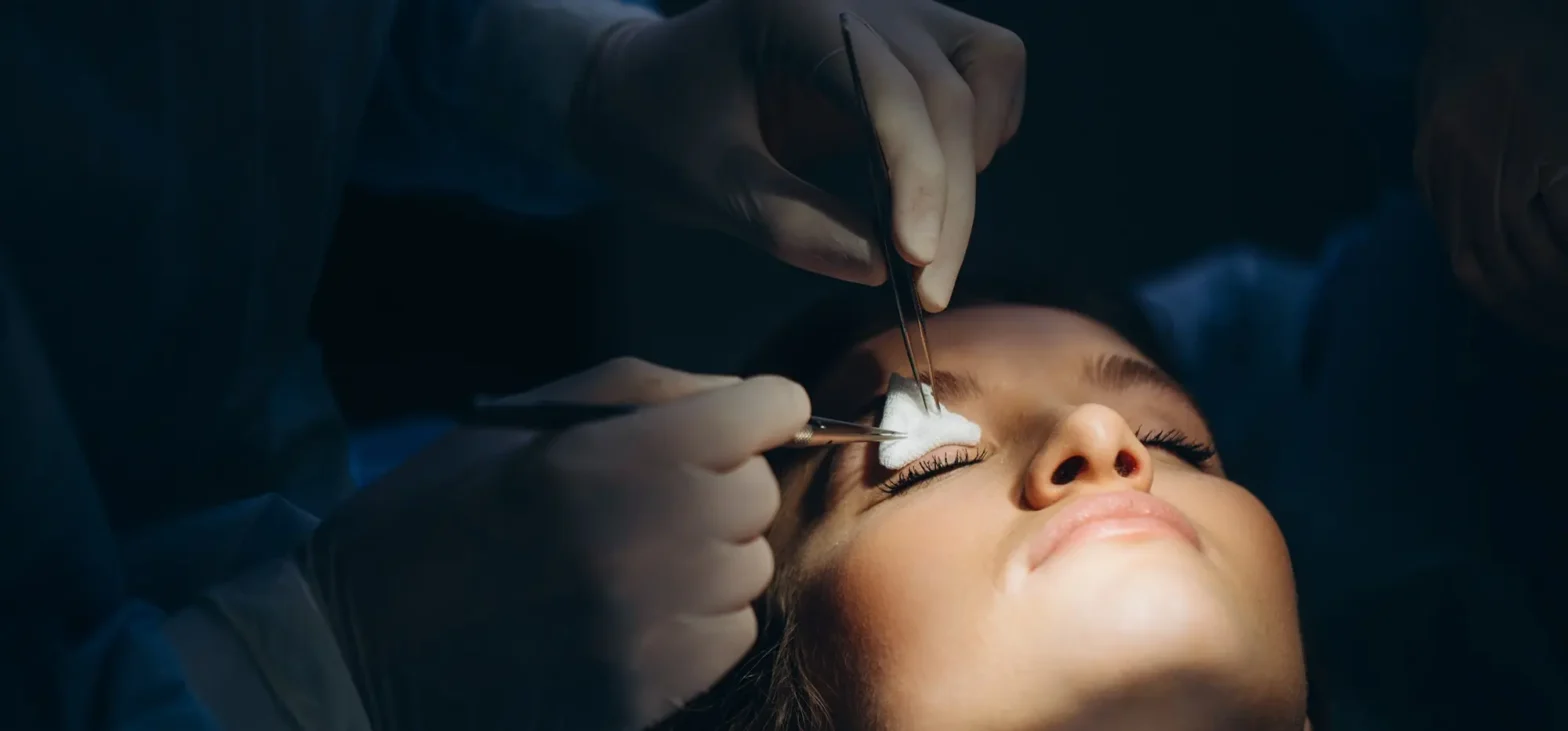
Asian eyelid surgery, also known as double eyelid surgery or Asian blepharoplasty, is one of the most commonly performed cosmetic procedures amongst individuals of East Asian descent. This delicate surgical procedure creates a natural-looking eyelid crease whilst preserving the unique characteristics that define Asian beauty.At Linia Cosmetic Surgery, we understand that Asian eyelid surgery is not about conforming to Western beauty standards but rather about enhancing your natural features in a way that reflects your personal aesthetic goals whilst maintaining your ethnic identity.Understanding Asian Eyelid AnatomyTo appreciate what Asian eyelid surgery entails, it’s important to understand the anatomical differences that characterise Asian eyelids.Unique Characteristics of Asian EyelidsApproximately 50% of individuals of East Asian descent are born without a defined eyelid crease, a feature known as a single eyelid or monolid. This occurs due to specific anatomical differences:Epicanthal Fold – A skin fold that covers the inner corner of the eye, extending from the nose to the inner portion of the eyebrow. This is more prominent in Asian eyes and contributes to their distinctive appearance.Pretarsal Fat – Asian eyelids typically have a fuller distribution of fat in the upper eyelid area, which can contribute to a puffier appearance and prevent natural crease formation.Levator Aponeurosis Attachment – In eyes without a crease, the muscle responsible for lifting the eyelid (levator muscle) has different or absent attachments to the skin, which is why a visible fold doesn’t form when the eye opens.Skin Thickness – Asian eyelids often have thicker skin compared to Caucasian eyelids, which affects both the surgical technique required and the healing process.Orbital Fat – There is typically more orbital fat present, which can create a fuller upper eyelid appearance.These characteristics are not deficiencies but rather beautiful variations in human anatomy. Asian eyelid surgery works with these features to create results that are harmonious with your overall facial structure.What Is Asian Eyelid Surgery?Asian eyelid surgery is a cosmetic procedure designed to create a natural-looking crease in the upper eyelid. The goal is to enhance the eyes whilst maintaining ethnic identity and creating results that appear natural rather than “Westernised.”The procedure can address several aesthetic concerns including lack of eyelid definition, a tired or sleepy appearance, asymmetry between the two eyes, excess skin or fat creating a heavy appearance, difficulty applying eye makeup, and in some cases, functional issues where excess skin impairs vision.It’s crucial to understand that Asian eyelid surgery is highly personalised. The ideal crease height, shape, and position vary depending on your individual facial features, personal preferences, and ethnic background. There is no single “correct” outcome—rather, the goal is to achieve a result that enhances your natural beauty and aligns with your aesthetic vision.Common Motivations for Asian Eyelid SurgeryAesthetic EnhancementMany patients seek Asian eyelid surgery to create more defined, alert-looking eyes. A subtle eyelid crease can enhance the appearance of the eyes without dramatically altering your ethnic features. This can include making the eyes appear larger or more open, creating better symmetry between both eyes, achieving better balance with other facial features, and facilitating eye makeup application.Personal ExpressionSome individuals simply prefer the aesthetic of a double eyelid and wish to have this feature for personal reasons. This is a valid motivation that deserves respect and consideration.Addressing Functional ConcernsIn some cases, excess skin on the upper eyelid can impair peripheral vision, a condition known as dermatochalasis. Whilst this is less common in younger patients seeking Asian eyelid surgery, it can be a legitimate concern for some individuals.Restoring Youthful AppearanceAs we age, the eyelids can become heavier and more hooded due to skin laxity and fat redistribution. Asian eyelid surgery can help restore a more youthful, refreshed appearance whilst addressing age-related changes.Correcting AsymmetryMany people naturally have asymmetric eyelid creases—one eye may have a double eyelid whilst the other doesn’t, or the creases may be at different heights. Surgery can create better symmetry.Types of Asian Eyelid Surgery TechniquesThere are two primary surgical approaches to creating an eyelid crease, each with distinct advantages and considerations.Non-Incisional Method (Suture Method)The non-incisional technique, also called the suture or DST (Double Suture and Twist) method, creates an eyelid crease using internal sutures without making external incisions.How It Works – Small punctures are made in the eyelid, and permanent sutures are passed through these points to connect the eyelid skin to the underlying levator muscle or tarsal plate. When the eye opens, this connection creates a natural-looking crease.Advantages:Minimal scarring with virtually invisible puncture marksShorter recovery time, typically 1-2 weeksLess swelling and bruising compared to incisional methodReversible if desired, though this becomes more difficult over timeCan be performed under local anaesthesiaLower risk of complicationsLimitations:May not be suitable for patients with thick eyelid skin or significant excess fatResults may not be as permanent as the incisional method, with some patients experiencing crease weakening over timeCannot address excess skin or remove fatMay not achieve as dramatic a resultNot ideal for patients with significant asymmetry or ptosisIdeal Candidates:Younger patients with thin eyelid skinThose with minimal excess fat or skinPatients desiring a subtle, natural resultIndividuals wanting a less invasive option with quicker recoveryIncisional Method (Full Incision)The incisional technique involves making a precise incision along the desired crease line, allowing the surgeon to remove excess skin and fat whilst creating a permanent connection between the skin and deeper structures.How It Works – An incision is made along the predetermined crease line. Excess skin and fat are carefully removed as needed. The skin is then sutured to the levator muscle or tarsal plate, creating a permanent crease. The incision is closed with fine sutures that are removed after about one week.Advantages:Permanent, long-lasting resultsAllows for removal of excess skin and fatCan create more defined, dramatic resultsBetter suited for correcting asymmetryCan address ptosis (drooping eyelid) simultaneouslyMore versatile for different eyelid types and patient goalsLimitations:Longer recovery time, typically 2-4 weeks for initial healingMore visible scarring initially, though scars typically fade well and hide within the creaseGreater swelling and bruising in the early recovery periodTechnically irreversible, though revision is possibleSlightly higher risk of complicationsIdeal Candidates:Patients with thick eyelid skin or significant excess fatThose with excess skin requiring removalIndividuals seeking more dramatic, permanent resultsPatients with asymmetry or functional concerns like ptosisThose willing to accept longer recovery for more comprehensive resultsPartial Incision MethodSome surgeons offer a hybrid approach combining elements of both techniques. This involves making smaller incisions to remove fat whilst using sutures to create the crease. This method may be suitable for patients who fall between the criteria for non-incisional and full incisional techniques.Additional Procedures Often Combined with Asian Eyelid SurgeryEpicanthoplastyThis procedure addresses the epicanthal fold—the skin fold covering the inner corner of the eye. Epicanthoplasty can be performed to elongate the appearance of the eyes, create better symmetry, enhance the overall result of double eyelid surgery, and achieve a more open, alert appearance.There are different epicanthoplasty techniques with varying degrees of fold reduction. It’s important to maintain some natural epicanthal fold to preserve ethnic characteristics.Ptosis CorrectionPtosis refers to drooping of the upper eyelid due to weakened or stretched levator muscle. If ptosis is present, it can be corrected simultaneously with double eyelid surgery by tightening or repositioning the levator muscle, creating better eyelid position and symmetry, and improving both aesthetics and function.Fat GraftingSome patients benefit from strategic fat grafting to create better eyelid contours, add volume to areas that appear hollow, achieve more balanced proportions, and enhance overall aesthetic results.Lower BlepharoplastyLower eyelid surgery can complement upper eyelid surgery by addressing under-eye bags, removing or repositioning fat, tightening loose skin, and creating a more comprehensive rejuvenation.Brow LiftFor patients with a low or descended brow position, a brow lift may enhance results by lifting the brow to a more youthful position, reducing hooding of the upper eyelid, and creating better overall upper face harmony.Who Is a Good Candidate for Asian Eyelid Surgery?Ideal candidates for Asian eyelid surgery typically meet several criteria:Physical CharacteristicsGood Overall Health – You should be in good general health without medical conditions that could impair healing or increase surgical risks. Specific conditions that may affect candidacy include uncontrolled diabetes, thyroid disorders, bleeding disorders, or autoimmune conditions affecting healing.Realistic Anatomy – The best candidates have adequate eyelid skin and tissue to work with. Patients with extremely thin or damaged skin may have limitations.Stable Eye Health – You should not have active eye infections, chronic dry eye (or it should be well-managed), glaucoma (well-controlled is acceptable), or recent eye surgery.Psychological ReadinessRealistic Expectations – Understanding what the procedure can and cannot achieve is crucial. Surgery can enhance your features but won’t completely transform your appearance or solve underlying self-esteem issues.Personal Motivation – You should be pursuing surgery for yourself, not to please others or conform to external pressures. Your decision should be well-considered and reflect your personal aesthetic goals.Cultural Identity – Good candidates understand that the goal is enhancement, not erasing ethnic identity. You should feel comfortable with maintaining Asian features whilst achieving your desired aesthetic.Emotional Stability – You should be in a stable emotional state and not pursuing surgery during times of significant stress or life changes.Practical ConsiderationsAge – Most surgeons prefer patients to be at least 18 years old to ensure facial growth is complete and decision-making maturity. However, some patients may be appropriate candidates at 16-17 in consultation with parents.Non-Smoker – Smoking significantly impairs healing and increases complication risks. You should be a non-smoker or willing to quit for at least 4-6 weeks before and after surgery.Realistic Timeline – You should have adequate time for surgery and recovery, including time off work or school, ability to attend all follow-up appointments, and no major events immediately after surgery where you want to look your best.Financial Readiness – As a cosmetic procedure, Asian eyelid surgery is typically not covered by insurance. You should be financially prepared for the cost without creating undue stress.The Consultation ProcessYour consultation is a crucial opportunity to discuss your goals, understand the procedure, and determine the best approach for your unique needs.What to Expect During Your ConsultationMedical History Review – Your surgeon will review your complete medical history, including current medications and supplements, previous surgeries, especially any eye or facial procedures, allergies and adverse reactions, eye health history including dry eye, infections, or injuries, and family history of eye conditions or healing issues.Physical Examination – A thorough examination of your eyelids and surrounding structures will be performed, assessing eyelid anatomy and skin thickness, presence and distribution of fat, natural eyelid crease (if present) and symmetry, levator muscle function, brow position and forehead dynamics, and overall facial proportions.Photographs will be taken from multiple angles to document your current appearance and assist with surgical planning.Discussion of Goals and Expectations – This is your opportunity to clearly communicate what you hope to achieve. Be honest about your motivations and specific desires regarding crease height and shape, degree of change desired (subtle vs. dramatic), and any functional concerns like impaired vision or difficulty with makeup.Your surgeon will explain what can realistically be achieved with your anatomy, show you before-and-after photos of previous patients with similar features, and discuss different surgical approaches and their respective outcomes.Surgical Planning – Based on your anatomy and goals, your surgeon will recommend the most appropriate technique (non-incisional vs. incisional), discuss crease height and design, determine whether additional procedures would be beneficial, and explain the expected timeline from surgery through final results.Many surgeons will use computer imaging or manual drawing to help you visualise the planned results, though it’s important to remember these are approximations, not guarantees.Questions to Ask – Don’t hesitate to ask comprehensive questions about the surgeon’s experience and qualifications, specific technique recommendations for your case, expected results and any limitations, risks and potential complications, recovery timeline and what to expect, before-and-after photos of patients with similar features, revision rates and policies, and total costs including all associated fees.Preparing for Your Asian Eyelid SurgeryProper preparation can significantly impact your surgical outcome and recovery experience.Medical PreparationMedication Adjustments – Stop taking aspirin, anti-inflammatory medications (ibuprofen, naproxen), vitamin E, fish oil, and certain herbal supplements at least two weeks before surgery, as these can increase bleeding risk. Your surgeon will provide a comprehensive list.Continue taking prescribed medications unless specifically instructed otherwise. Inform your surgeon of all medications, including over-the-counter drugs and supplements.Smoking Cessation – If you smoke, you must stop at least 4-6 weeks before surgery and continue abstaining throughout recovery. Smoking constricts blood vessels, impairs healing, increases infection risk, and can lead to poor scarring or tissue loss.Alcohol Limitation – Avoid alcohol for at least one week before surgery, as it can increase bleeding and interact with anaesthesia.Health Optimisation – Ensure chronic conditions like diabetes or hypertension are well-controlled. Maintain good nutrition and hydration. Get adequate sleep in the days leading up to surgery.Practical PreparationArrange Support – Organise for someone to drive you home after surgery and stay with you for at least the first 24 hours. You may need assistance with basic tasks during early recovery.Time Off Work – Plan for at least one week off work for non-incisional methods and two weeks for incisional techniques. More time may be needed depending on your profession and comfort level with residual swelling or bruising.Home Preparation – Stock your home with necessary supplies including prescribed medications, over-the-counter pain relievers (as approved by your surgeon), cold compresses or ice packs, clean gauze and cotton pads, artificial tears or lubricating eye drops, comfortable button-up shirts (to avoid pulling clothing over your head), extra pillows to keep your head elevated, and easy-to-prepare nutritious foods.Prepare a comfortable recovery area with everything within easy reach. Ensure your bedroom is dark and quiet for rest.Pre-Surgery Instructions – Follow your surgeon’s specific pre-operative instructions, which typically include fasting from midnight before surgery (no food or drink), arriving with a clean face free of makeup, contact lenses, or skincare products, wearing comfortable, loose-fitting clothing, leaving valuables and jewellery at home, and bringing your ID and any required paperwork.Mental and Emotional PreparationSet Realistic Expectations – Review expected outcomes with your surgeon and understand that final results take time to appear. Remember that some asymmetry is normal in all faces, and perfect symmetry is rarely achievable.Plan for Recovery – Understand that you will experience swelling, bruising, and possibly temporary asymmetry. Prepare yourself mentally for the recovery period, which can be emotionally challenging as you wait for swelling to resolve.Support System – Consider having trusted friends or family available for emotional support during recovery. Some patients find it helpful to connect with others who have undergone similar procedures.The Asian Eyelid Surgery ProcedureAnaesthesia OptionsLocal Anaesthesia with Sedation – Many Asian eyelid surgeries are performed under local anaesthesia with oral or intravenous sedation. This approach allows for a quicker recovery and lower risk compared to general anaesthesia. You’ll be relaxed and comfortable but able to respond to simple requests, which helps the surgeon assess crease symmetry.General Anaesthesia – Some patients prefer general anaesthesia, particularly for more extensive procedures or if they feel anxious about being aware during surgery. This may be recommended if combining eyelid surgery with other facial procedures.Your surgeon and anaesthetist will discuss the best option for your specific situation.Surgical Steps: Non-Incisional MethodMarking – The desired crease height and position are carefully marked with you in a seated position to ensure natural, symmetric results. Typical crease heights range from 6-8mm from the lash line, though this varies based on individual anatomy and preferences.Anaesthesia – Local anaesthetic is injected into the eyelid area to ensure comfort throughout the procedure.Suture Placement – Small punctures (typically 3-5 points) are made along the marked crease line. Permanent sutures are carefully passed through these punctures and the deeper eyelid structures. The sutures are positioned to create a smooth, natural-looking crease.Adjustment – The patient may be asked to open and close their eyes to assess the crease formation and symmetry. Adjustments can be made to ensure optimal results.Completion – Once the surgeon is satisfied with the crease appearance, the sutures are secured and trimmed. The puncture sites require no additional closure.The non-incisional procedure typically takes 30-60 minutes.Surgical Steps: Incisional MethodMarking – Precise measurements and markings are made to indicate the incision line, amount of skin to be removed (if any), and areas of fat requiring attention.Anaesthesia – Local anaesthetic with or without sedation is administered.Incision – A carefully planned incision is made along the marked crease line using a fine scalpel or surgical blade.Tissue Adjustment – The incision allows the surgeon to access the underlying structures. Excess fat is carefully removed or repositioned as needed. Any excess skin is conservatively excised to avoid a hollow or overdone appearance. The levator muscle may be identified and addressed if ptosis correction is needed.Crease Formation – Sutures are placed to connect the skin edge to the deeper structures (levator aponeurosis or tarsal plate), creating the crease.Closure – The incision is meticulously closed with very fine sutures, ensuring minimal tension and optimal healing.Assessment – The patient may be asked to open their eyes to assess symmetry and crease position.The incisional procedure typically takes 60-90 minutes, longer if additional procedures are being performed.Immediate Post-Operative CareAfter surgery, cold compresses are applied to minimise swelling. You’ll receive detailed post-operative instructions and prescriptions for pain medication and antibiotics. Most patients can go home the same day once fully recovered from anaesthesia.Recovery and AftercareImmediate Recovery (Days 1-3)Expected Symptoms:Moderate swelling and bruising, which peaks around days 2-3Tightness or mild discomfort in the eyelid areaLight sensitivity and possibly blurred vision from ointmentSome difficulty fully closing the eyes (temporary)Mild asymmetry due to differential swellingCare Instructions:Apply cold compresses for 15-20 minutes every hour while awakeKeep your head elevated at all times, including while sleeping (use 2-3 pillows or sleep in a recliner)Take prescribed medications as directedUse artificial tears or prescribed eye drops regularly to prevent drynessAvoid bending over, heavy lifting, or strainingDo not rub or touch your eyesWear dark sunglasses when going outside to protect from sun and windActivity Restrictions:No driving while taking pain medication or if vision is impairedNo reading, television, or screen time beyond brief periods (rest your eyes)No wearing contact lensesVery gentle face washing, avoiding the surgical areaEarly Recovery (Days 4-7)Expected Progress:Swelling and bruising begin to improve noticeablyYou may feel well enough to venture out with sunglassesDiscomfort should be minimal and manageable with over-the-counter pain reliefVision should return to normalSuture Removal:For incisional method, sutures are typically removed around day 5-7This is a quick, relatively painless processThe incision line will be visible but should be healing wellActivity:You can gradually increase light activitiesShort walks are encouragedContinue avoiding strenuous activities, heavy lifting, and bendingAppearance:Most patients feel comfortable returning to work around this time with sunglassesResidual bruising can typically be concealed with makeup (if approved by your surgeon)Intermediate Recovery (Weeks 2-6)Expected Progress:Swelling continues to decrease significantlyIncision lines become less noticeableCrease becomes more defined and natural-lookingAny asymmetry usually improves as swelling resolvesActivity Resumption:Most normal activities can be resumed by week 2-3Light exercise (walking, gentle yoga) can typically begin after 2 weeksMore vigorous exercise can usually resume after 3-4 weeks with surgeon approvalContact lenses can typically be worn again after 2-3 weeksScar Management:For incisional method, scars will be pink or red but fadingYour surgeon may recommend silicone gel or sheets to optimise healingGentle massage may be recommended once fully healedSocial Activities:Most patients feel comfortable resuming full social activities by week 3-4Residual swelling is typically subtle and often only noticeable to youLong-Term Recovery (Months 3-12)Final Results:Swelling completely resolves over 3-6 monthsScars continue to fade and typically become very difficult to see by 6-12 monthsThe crease settles into its final position and appearanceAny residual firmness or tightness gradually resolvesScar Maturation:For incisional method, scars go through a maturation processThey may appear slightly darker or raised during months 2-4By 6-12 months, scars typically fade to thin, pale lines hidden within the natural creaseLong-Term Care:Use sunscreen daily to protect healing tissue and prevent hyperpigmentationMaintain good skincare habitsProtect your eyes from excessive sun exposureAttend all scheduled follow-up appointmentsFactors Affecting RecoverySeveral factors can influence your recovery experience:Surgical Technique – Non-incisional methods typically have faster, easier recovery compared to incisional techniques.Individual Healing – People heal at different rates based on age, genetics, overall health, and skin type.Adherence to Instructions – Following post-operative care instructions precisely significantly impacts outcomes.Lifestyle Factors – Smoking, alcohol consumption, poor nutrition, and inadequate sleep can all impair healing.Potential Risks and ComplicationsWhilst Asian eyelid surgery is generally safe when performed by a qualified surgeon, all surgical procedures carry some risks.Common, Minor IssuesTemporary Swelling and Bruising – Expected and resolves over weeks to months.Dry Eyes – Common in the first few weeks, managed with artificial tears.Temporary Blurred Vision – Usually from ointment or swelling, resolves quickly.Sensitivity to Light – Often improves within the first week.Mild Asymmetry – Some asymmetry during healing is normal; most resolves as swelling subsides.Less Common ComplicationsInfection – Rare but can occur; treated with antibiotics. Signs include increasing pain, redness, warmth, or discharge.Bleeding or Haematoma – Excessive bleeding or blood collection under the skin may require drainage.Poor Scarring – Whilst rare, some patients develop thick, raised, or widened scars. This is more common in those with a genetic predisposition to hypertrophic or keloid scarring.Crease Asymmetry – Persistent asymmetry may require revision, though minor asymmetry is normal and present in all faces.Crease Loss or Weakening – More common with non-incisional methods; may require revision or conversion to incisional technique.Undercorrection or Overcorrection – Results may be less dramatic or more dramatic than desired, potentially requiring revision.Rare but Serious ComplicationsVision Changes – Extremely rare but can include temporary or permanent vision loss.Ptosis – Drooping of the eyelid can occur if the levator muscle is damaged.Lagophthalmos – Inability to fully close the eyes, usually temporary but occasionally persistent.Corneal Injury – Very rare; protection measures are taken during surgery.Allergic Reactions – To anaesthesia, medications, or suture material.Minimising RisksYou can minimise your risk of complications by choosing a highly qualified, experienced surgeon, following all pre-operative and post-operative instructions precisely, disclosing your complete medical history, avoiding smoking and alcohol, attending all follow-up appointments, and reporting any concerns promptly to your surgical team.Results: What to ExpectRealistic ExpectationsAsian eyelid surgery can create beautiful, natural-looking results, but it’s important to have realistic expectations:Natural Enhancement – The goal is to enhance your natural features, not completely transform your appearance. Results should look like “you, but refreshed.”Ethnic Identity Preservation – A skilled surgeon will create results that maintain your Asian features whilst achieving your aesthetic goals.Individual Variation – Your specific results will depend on your unique anatomy, chosen technique, healing process, and surgeon’s artistic approach.Time to Final Results – Initial results are visible once swelling subsides, but final results take 3-6 months as tissues completely settle and scars mature.Typical OutcomesMost patients experience more defined, alert-looking eyes, enhanced eye symmetry, a refreshed, youthful appearance, better ease with eye makeup application, and improved confidence in their appearance.The crease created should appear natural when the eyes are open and closed, blend smoothly with surrounding tissue, and be symmetric between both eyes (within the natural variation present in all faces).Longevity of ResultsNon-Incisional Method – Results are generally long-lasting but may weaken over time in some patients. Studies suggest 80-90% of patients maintain their crease long-term, whilst 10-20% may experience some weakening requiring revision.Incisional Method – Results are typically permanent. The crease will remain throughout your life, though natural ageing will continue, potentially causing skin laxity or changes in eyelid appearance over decades.When Results May Be UnsatisfactoryDespite best efforts, some patients may be dissatisfied with their results. Common concerns include asymmetry between the eyes, crease too high or too low, crease too deep or too shallow, unnatural appearance, or visible scarring.If you’re unhappy with your results, communicate with your surgeon. Many minor issues can be addressed through revision surgery once complete healing has occurred (typically 6-12 months after the initial procedure).Revision SurgeryWhen Revision May Be NeededRevision Asian eyelid surgery may be considered for unsatisfactory crease height or shape, asymmetry between the eyes, crease loss (particularly with non-incisional methods), visible or poor-quality scars, or changes in aesthetic preferences over time.Timing for RevisionMost surgeons recommend waiting at least 6-12 months after the initial procedure before considering revision. This allows complete healing, final results to manifest, and swelling to fully resolve.Revision ConsiderationsRevision surgery is typically more complex than the initial procedure due to scar tissue and altered anatomy. It may require conversion from non-incisional to incisional technique or more extensive tissue manipulation.Choosing an experienced surgeon familiar with revision techniques is crucial for achieving satisfactory outcomes.
January 20, 2026 Face Treatments Blogs

Why Some Patients Need a Revision or Secondary Facelift

What is a Revision or Secondary Facelift?A revision facelift, also known as a secondary facelift, is a surgical procedure designed to address concerns that arise after an initial facelift operation. Whether you’re experiencing unsatisfactory results from your first procedure, natural ageing has progressed, or complications have occurred, a revision facelift offers an opportunity to refine and improve your facial appearance.Understanding Revision Facelift SurgeryA revision facelift is more complex than a primary facelift due to altered anatomy, scar tissue, and previously repositioned facial structures. This procedure requires a surgeon with extensive experience and a nuanced understanding of facial aesthetics to achieve natural-looking, harmonious results.Unlike a first-time facelift performed on untouched tissue, revision surgery must work within the constraints of previous incisions, altered blood supply, and scar tissue formation. This makes the procedure technically more demanding and requires a surgeon who can navigate these challenges whilst achieving aesthetically pleasing outcomes.Common Reasons for Seeking a Revision FaceliftUnsatisfactory Results from the Initial ProcedureNot all facelift outcomes meet patient expectations. You may be dissatisfied with various aspects of your results, including:Asymmetry – One side of the face may appear different from the other, creating an unbalanced appearance that can be noticeable in photographs or mirrors.Overly Tight or “Pulled” Appearance – An excessively tight result can create an unnatural, windswept look that immediately signals surgical intervention rather than a refreshed, natural appearance.Insufficient Improvement – Some patients find that their initial facelift didn’t achieve the level of rejuvenation they had hoped for, with sagging or laxity remaining in certain areas.Unnatural Contours – Issues such as visible bands, irregular skin surface, or distorted facial features can detract from the overall aesthetic outcome.Pixie Ear Deformity – This occurs when the earlobe is pulled downward and attached to the face, creating an unnatural appearance.Hair Loss or Altered Hairline – Excessive tension or poorly placed incisions can result in hair loss around the temples or an unnaturally high or pulled-back hairline.Natural Ageing ProcessEven the most successful facelift cannot stop the ageing process entirely. Over time, typically 7-15 years after your initial procedure, the effects of gravity, sun exposure, lifestyle factors, and natural facial volume loss may prompt you to consider a secondary facelift.The skin continues to lose elasticity, underlying facial structures continue to descend, and new wrinkles and folds may develop. A revision facelift can address these changes and restore your refreshed appearance, though it’s important to understand that each subsequent procedure may yield progressively more modest improvements.Complications from Previous SurgeryUnfortunately, complications can occur with any surgical procedure. Issues that might necessitate revision surgery include:Visible or Widened Scarring – Whilst some scarring is inevitable, excessive or poorly healed scars can be aesthetically concerning and may require revision.Nerve Damage – Temporary or permanent nerve injury can affect facial movement or sensation, and whilst some cases resolve spontaneously, others may require surgical intervention.Skin Irregularities – Contour irregularities, dimpling, or areas of skin necrosis (tissue death) may develop and require correction.Poor Healing or Infection – Complications during the healing process can compromise results and necessitate revision surgery once complete healing has occurred.Haematoma or Seroma – Collections of blood or fluid beneath the skin can affect the final result if not properly addressed.Changes in Aesthetic PreferencesYour aesthetic goals and preferences may evolve over time. What seemed ideal years ago might no longer align with your current vision or contemporary beauty standards. Additionally, advances in surgical techniques may offer improved approaches that weren’t available during your initial procedure.Weight FluctuationsSignificant weight loss or gain after your initial facelift can alter facial contours and skin laxity, potentially compromising your results and making revision surgery desirable.What Makes Revision Facelift Surgery Different?Revision facelift surgery presents unique challenges that distinguish it from primary procedures:Altered Anatomy and Scar TissuePrevious surgery creates internal scar tissue that can make tissue manipulation more difficult. The normal tissue planes that surgeons rely upon during primary facelifts may be obscured or altered, requiring careful dissection and a thorough understanding of facial anatomy.Compromised Blood SupplyThe blood vessels that nourish facial skin may have been disrupted during the initial surgery. This can limit how much the skin can be safely repositioned during revision surgery and may affect healing.Limited Tissue AvailabilityDepending on how much skin was removed or repositioned during the initial procedure, there may be less tissue available to work with during revision surgery. This can make it more challenging to achieve significant additional improvement.Increased Technical ComplexityThe surgeon must often release previous sutures, work through scar tissue, address any complications from the first procedure, and achieve symmetry and natural contours—all whilst working within the constraints of altered anatomy.Types of Revision Facelift ProceduresFull Revision FaceliftThis comprehensive procedure addresses the entire lower face, midface, and neck. It’s appropriate when widespread concerns need correction or when significant additional ageing has occurred since the initial procedure.Mini Revision FaceliftA less extensive procedure focusing on specific areas of concern, such as the jowls or a particular asymmetry. This may be suitable when most of the initial results remain satisfactory but isolated issues have developed.Targeted Revision ProceduresSometimes, specific concerns can be addressed through focused interventions:Neck Revision – Addressing persistent or recurrent neck bands, excess skin, or contour irregularities in the neck area.Temporal or Brow Revision – Correcting issues with the upper face, temples, or hairline.Scar Revision – Specifically improving the appearance of visible or problematic scars from the initial procedure.Complementary ProceduresRevision facelifts are often combined with additional treatments to optimise results:Fat Grafting – Restoring volume to areas that appear hollow or deflated, creating more youthful contours.Laser Resurfacing or Chemical Peels – Improving skin texture, tone, and quality.Blepharoplasty (Eyelid Surgery) – Addressing ageing changes around the eyes that may have occurred since the initial facelift.Brow Lift – Correcting a descended or asymmetric brow position.Facial Implants – Enhancing structural support in areas such as the cheeks or chin.Who Is a Good Candidate for a Revision Facelift?Ideal candidates for revision facelift surgery typically meet several criteria:Good Overall HealthYou should be in good physical health without medical conditions that could significantly increase surgical risks or impair healing. This includes having well-controlled chronic conditions and being a non-smoker or willing to quit well in advance of surgery.Realistic ExpectationsUnderstanding what revision surgery can and cannot achieve is crucial. Whilst significant improvements are often possible, revision surgery may have limitations compared to primary procedures, and outcomes depend on factors including skin quality, extent of previous surgery, and individual healing.Adequate Healing TimeIt’s generally advisable to wait at least 12 months after your initial facelift to allow complete healing and for final results to manifest. Some surgeons recommend waiting even longer, particularly if complications occurred. This waiting period allows inflammation to resolve, scars to mature, and tissues to stabilise.Specific, Addressable ConcernsYou should have clearly defined concerns that can be realistically improved through revision surgery. During your consultation, your surgeon will assess whether your goals can be achieved.Commitment to RecoveryRevision facelift recovery may be more demanding than your initial experience. You must be willing to follow post-operative instructions carefully, attend all follow-up appointments, and allow adequate time for healing.Psychological ReadinessIt’s important to have realistic emotional expectations and to pursue revision surgery for yourself rather than to please others. If you experienced significant distress from your initial procedure, discussing your concerns openly with your surgeon is essential.The Revision Facelift Consultation ProcessYour consultation is crucial for achieving successful outcomes and should be thorough and comprehensive:Medical History ReviewYour surgeon will review your complete medical history, including details of your initial facelift (surgeon, date, technique used, any complications), current medications and supplements, previous and current medical conditions, lifestyle factors including smoking and alcohol consumption, and any allergies or adverse reactions to anaesthesia or medications.If possible, bring operative notes, before-and-after photographs, and contact information for your previous surgeon. Whilst some patients feel hesitant about this, most revision surgeons appreciate having this information to better understand your unique situation.Physical ExaminationYour surgeon will carefully examine your facial structure, skin quality and elasticity, scarring from the previous procedure, facial symmetry and proportions, underlying tissue support, and areas of specific concern.Photographs will be taken from multiple angles to document your current appearance and assist with surgical planning.Discussion of Concerns and GoalsThis is your opportunity to clearly communicate what aspects of your previous facelift concern you and what you hope to achieve with revision surgery. Be honest and specific about your expectations.Your surgeon will explain what can realistically be achieved, any limitations based on your individual anatomy and previous surgery, and alternative or complementary approaches that might help you achieve your goals.Surgical PlanningYour surgeon will explain the recommended surgical approach, including which techniques will be used, whether the procedure will address the full face or specific areas, the expected extent of incisions and whether they’ll differ from your initial procedure, and whether additional procedures are recommended.Understanding Risks and RecoveryAll surgery carries risks, and revision facelift surgery may have additional considerations:Risks specific to revision surgery include increased risk of skin necrosis due to compromised blood supply, potential for more extensive scarring, longer recovery time, possibility of persistent asymmetry or irregularities, and need for further revision in some cases.General facelift risks include bleeding and haematoma, infection, nerve injury affecting facial movement or sensation, anaesthesia complications, poor scarring, skin loss, and dissatisfaction with aesthetic results.Your surgeon should discuss these risks candidly and explain how they’ll be minimised.Preparing for Your Revision FaceliftProper preparation can significantly impact your surgical outcome and recovery:Medical PreparationStop smoking at least 4-6 weeks before surgery, as smoking severely compromises blood flow and healing. Discontinue certain medications and supplements that can increase bleeding risk, such as aspirin, anti-inflammatory medications, and some herbal supplements. Your surgeon will provide a specific list.Arrange for any required medical clearances or tests. Ensure chronic medical conditions are well-controlled.Practical PreparationArrange for someone to drive you home after surgery and stay with you for at least the first 24-48 hours. Prepare your home with necessary supplies including prescribed medications, ice packs, clean towels and pillowcases, comfortable button-up shirts, and easy-to-prepare nutritious foods.Arrange time off work—typically 2-3 weeks minimum, though this varies by individual and the extent of surgery.Mental and Emotional PreparationEnsure you have a clear understanding of the planned procedure and realistic expectations. Prepare yourself mentally for the recovery process, which may be more challenging than your initial facelift. Consider arranging support from friends or family, as recovery can be emotionally as well as physically demanding.The Revision Facelift ProcedureAnaesthesiaRevision facelifts are typically performed under general anaesthesia, though some less extensive procedures might be done with sedation and local anaesthesia. Your anaesthetist will discuss the best option for your specific situation.Surgical TechniqueThe specific technique will depend on your individual needs, but generally involves:Incision Placement – Usually following the initial incision lines, though modifications may be necessary to address scarring or achieve optimal results. Incisions typically extend from the temple, around the ear, and into the hairline behind the ear.Tissue Dissection – Carefully working through scar tissue from the previous procedure to access underlying facial structures. This is often the most technically demanding aspect of revision surgery.SMAS Layer Manipulation – The SMAS (superficial musculoaponeurotic system) layer, which provides structural support, may be repositioned, tightened, or reinforced. In revision cases, this layer may have scarring or may need different handling than in primary procedures.Skin Redraping – Once underlying structures are repositioned, excess skin is carefully redraped and trimmed. The surgeon must balance achieving improvement with maintaining adequate blood supply to the skin.Closure – Meticulous closure in layers to minimise tension on the skin and optimise scar healing.Additional Procedures – If fat grafting, laser resurfacing, or other complementary procedures are being performed, they’ll be completed during the same surgical session.DurationRevision facelift surgery typically takes 3-6 hours, depending on the extent of the procedure and whether additional treatments are being performed. Revision procedures often take longer than primary facelifts due to the technical complexity.Recovery and ResultsImmediate Post-Operative Period (Days 1-7)You’ll wake from surgery with bandages around your face and possibly surgical drains to prevent fluid accumulation. Expect significant swelling and bruising, which may be more pronounced than with your initial facelift. Discomfort is typically manageable with prescribed pain medication.You’ll need to keep your head elevated, even when sleeping, to minimise swelling. Most surgeons recommend sleeping in a recliner or propped up on pillows at a 30-45 degree angle.Drains, if used, are usually removed within 1-3 days. Initial bandages may be replaced with a lighter compression garment.Early Recovery (Weeks 1-3)Sutures are typically removed 5-10 days after surgery. Swelling and bruising gradually improve, though you may still have noticeable residual swelling. Most patients feel comfortable returning to work and light social activities by 2-3 weeks, though this varies.You’ll be advised to avoid strenuous activity, heavy lifting, and bending over. Gentle walking is encouraged to promote circulation.Intermediate Recovery (Weeks 3-8)Swelling continues to subside, and results become more apparent. You can gradually resume normal activities, including exercise, as approved by your surgeon. Some residual numbness or tightness is normal and typically improves over time.Scars will be pink or red during this phase but will gradually fade over the coming months.Long-Term Recovery (Months 3-12)Final results become apparent as residual swelling completely resolves and tissues settle. This can take 6-12 months or occasionally longer with revision procedures. Scars continue to mature and fade, eventually becoming thin, pale lines that are typically well-concealed within the natural contours of the face and hairline.Any residual numbness usually resolves, though some patients experience permanent areas of altered sensation.Maximising Your ResultsTo optimise and maintain your revision facelift results:Follow All Post-Operative Instructions – This cannot be overstated. Compliance with your surgeon’s guidance is crucial for optimal healing.Protect Your Skin from Sun Exposure – UV damage can compromise results and worsen scarring. Use broad-spectrum sunscreen daily and wear protective clothing and hats.Maintain a Stable Weight – Significant fluctuations can affect your results.Adopt a Good Skincare Routine – Quality skincare can help maintain your results. Your surgeon may recommend specific products or treatments.Consider Non-Surgical Maintenance – Treatments such as Botox, dermal fillers, laser treatments, or chemical peels can complement your surgical results and extend their longevity.Live a Healthy Lifestyle – Avoiding smoking, limiting alcohol, eating a balanced diet, staying hydrated, and managing stress all contribute to healthy, youthful-looking skin.Potential Complications and How They’re ManagedWhilst most revision facelifts proceed without significant complications, it’s important to be aware of potential issues:HaematomaA collection of blood beneath the skin, occurring in 1-3% of facelift patients. Small haematomas may resolve on their own, whilst larger ones may require drainage. Prompt treatment is important to prevent complications.InfectionRare but requiring immediate treatment with antibiotics and possibly surgical drainage. Signs include increasing pain, redness, warmth, or discharge.Skin NecrosisAreas of skin that don’t receive adequate blood supply may become damaged. This is more common in revision cases and in smokers. Treatment depends on the extent and may include wound care, debridement, or additional surgery.Nerve InjuryTemporary numbness or weakness is common and usually resolves within weeks to months. Permanent nerve injury is rare but possible. Your surgeon should discuss specific risks based on your individual anatomy.Scarring IssuesWhilst efforts are made to minimise scarring, some patients develop thick, raised, or widened scars. Scar revision techniques or treatments such as steroid injections or laser therapy may help.AsymmetryDespite best efforts, some asymmetry may persist or develop. Minor asymmetry is normal in all faces, but significant asymmetry may require additional correction.Dissatisfaction with ResultsNot all patients are satisfied with their outcomes. Open communication with your surgeon throughout the process and realistic expectations are crucial. In some cases, additional revision may be considered after appropriate healing time.Cost Considerations for Revision Facelift SurgeryRevision facelift surgery is typically more expensive than primary facelift procedures due to the increased complexity and time required. Costs may include:Surgeon’s feesAnaesthetist feesHospital or surgical facility feesMedical tests and prescriptionsPost-operative garments and suppliesFollow-up careDuring your consultation at Linia Cosmetic Surgery, you’ll receive a detailed cost breakdown specific to your individual surgical plan. Revision facelift surgery is considered cosmetic and is not typically covered by the NHS or private insurance, though financing options may be available.It’s important to prioritise surgeon experience and qualifications over cost when choosing a revision facelift surgeon, as this complex procedure requires advanced skills and expertise.Choosing the Right Surgeon for Your Revision FaceliftSelecting a qualified, experienced surgeon is perhaps the most important decision you’ll make:Essential QualificationsGMC Registration – Ensure your surgeon is registered with the General Medical Council and, ideally, on the specialist register for plastic surgery.Relevant Training and Experience – Look for a surgeon with extensive experience specifically with revision facelift procedures, not just primary facelifts. Ask how many revision facelifts they perform annually.Hospital Privileges – Your surgeon should have operating privileges at an accredited hospital, which indicates they’ve met rigorous credentialing requirements.Important Questions to AskDuring consultations, don’t hesitate to ask:How many revision facelifts have you performed?What percentage of your practice involves revision procedures?Can I see before-and-after photos of revision facelift patients with concerns similar to mine?What specific challenges do you anticipate with my revision?What is your complication rate with revision procedures?How do you handle complications if they occur?Will you be performing the entire surgery yourself?Where will the surgery be performed, and is the facility accredited?Red Flags to Watch ForBe cautious if a surgeon:Guarantees specific results or makes promises that seem too good to be truePressures you to schedule surgery quicklyCannot or will not show you relevant before-and-after photographsDismisses your concerns or fails to listen to your goalsOffers significantly lower prices than other qualified surgeonsDoes not discuss risks thoroughlyLacks proper credentials or hospital privilegesThe Importance of Communication and TrustChoose a surgeon with whom you feel comfortable communicating openly. You should feel that your concerns are heard, your questions are answered thoroughly, and your goals are understood and respected. Trust your instincts—if something doesn’t feel right, it’s appropriate to seek additional consultations.
December 30, 2025 Face Treatments Blogs

Everything You Need to Know About an Ethnic Nose Job and Its Results

Ethnic rhinoplasty, commonly referred to as an ethnic nose job, represents a specialised branch of cosmetic surgery that honours and preserves the unique characteristics of diverse ethnic backgrounds whilst addressing aesthetic and functional concerns. At Linia Cosmetic Surgery, we understand that beauty transcends a single standard, and our approach to ethnic rhinoplasty celebrates the rich diversity of facial features across different cultures.This comprehensive guide explores everything you need to know about ethnic rhinoplasty, from understanding the procedure to recovery and results, specifically tailored for patients seeking treatment in the United Kingdom.Understanding Ethnic RhinoplastyWhat Is Ethnic Rhinoplasty?Ethnic rhinoplasty is a nose reshaping procedure designed specifically for individuals of non-Caucasian descent, including those of African, Asian, Middle Eastern, Hispanic, and Mediterranean heritage. Unlike traditional rhinoplasty, which historically aimed to create a Westernised nose shape, ethnic rhinoplasty focuses on enhancing the nose whilst maintaining the patient’s ethnic identity and facial harmony.The key distinction lies in the surgical techniques and aesthetic goals. Ethnic rhinoplasty recognises that different ethnic groups have distinct nasal characteristics, including variations in skin thickness, cartilage strength, nasal bridge height, tip projection, and nostril shape. The procedure respects these unique features whilst addressing the patient’s specific concerns.Common Concerns AddressedPatients seeking ethnic rhinoplasty at Linia Cosmetic Surgery typically wish to address several common concerns:Nasal Bridge Enhancement: Many patients of Asian, African, or Hispanic descent desire a higher, more defined nasal bridge whilst maintaining natural proportions that complement their facial features.Tip Refinement: Refining a bulbous or wide nasal tip is a frequent request, particularly amongst patients who wish to achieve better definition without losing ethnic characteristics.Nostril Reduction: Some patients seek to reduce wide nostrils or alar base width, creating a more refined appearance that remains harmonious with their facial structure.Dorsal Hump Reduction: Patients of Middle Eastern or Mediterranean descent may wish to reduce a prominent dorsal hump whilst preserving the strength and character of their profile.Breathing Improvements: Beyond aesthetics, many patients experience functional issues such as a deviated septum or narrow airways that ethnic rhinoplasty can address.Ethnic-Specific ConsiderationsAsian RhinoplastyAsian rhinoplasty often focuses on augmentation rather than reduction. Common characteristics include a lower nasal bridge, less projected tip, and wider nostrils. Surgical techniques may involve bridge augmentation using cartilage grafts or carefully selected implants, tip refinement to create better definition, and subtle nostril reduction when desired.The thicker skin common in many Asian patients requires particular expertise, as it can mask underlying structural changes. Surgeons must account for this when planning the degree of refinement achievable.African and Afro-Caribbean RhinoplastyPatients of African and Afro-Caribbean descent typically have thicker nasal skin, wider nostrils, a flatter nasal bridge, and less tip projection. Ethnic rhinoplasty for these patients often involves bridge augmentation using the patient’s own cartilage, tip refinement through structural grafting techniques, and alar base reduction when appropriate.Preserving the nose’s strength and avoiding an overly refined appearance that appears incongruous with the patient’s other facial features is paramount.Middle Eastern RhinoplastyMiddle Eastern noses often feature a prominent dorsal hump, drooping tip, and thick skin. Surgical goals typically include hump reduction, tip elevation and refinement, and creating a straighter profile whilst maintaining ethnic identity.The key is achieving refinement without creating a “scooped” or overly upturned appearance that looks unnatural on Middle Eastern faces.Hispanic and Latino RhinoplastyHispanic and Latino patients present diverse nasal characteristics, often combining features from indigenous, European, and African ancestry. Common concerns include a broad nasal base, thick nasal skin, and variable tip projection.Treatment plans are highly individualised, reflecting the diversity within Hispanic and Latino populations.The Consultation Process at Linia Cosmetic SurgeryInitial AssessmentYour journey begins with a comprehensive consultation where your surgeon will evaluate your nasal structure, skin characteristics, and facial proportions. This assessment includes discussing your aesthetic goals, medical history, and any breathing difficulties you may experience.During this consultation, your surgeon will explain what is realistically achievable whilst preserving your ethnic features. Advanced imaging technology may be used to simulate potential outcomes, helping you visualise the planned changes.Setting Realistic ExpectationsOne of the most important aspects of the consultation is establishing realistic expectations. Your surgeon will explain how your skin thickness, cartilage structure, and healing characteristics will influence the final result. Unlike thinner Caucasian skin that readily shows structural refinements, thicker ethnic skin may require more conservative changes and longer healing periods to reveal the final outcome.Customised Surgical PlanningEvery ethnic rhinoplasty at Linia Cosmetic Surgery is meticulously planned according to your unique anatomy and goals. Your surgeon will discuss the specific techniques to be employed, whether open or closed approach, the type of grafting material to be used, and how the changes will harmonise with your overall facial aesthetics.Surgical TechniquesOpen vs Closed ApproachEthnic rhinoplasty can be performed using either an open or closed technique. The open approach involves a small incision across the columella (the tissue between the nostrils), providing the surgeon with direct visualisation of the nasal structures. This technique is often preferred for ethnic rhinoplasty when significant structural work, such as grafting for bridge augmentation or tip refinement, is required.The closed approach uses incisions hidden inside the nostrils. Whilst this avoids external scarring, it provides less visualisation and may be suitable for less complex cases.Grafting TechniquesCartilage grafting is fundamental to ethnic rhinoplasty. Unlike reduction rhinoplasty, ethnic rhinoplasty often requires adding structure and support. Cartilage can be harvested from the nasal septum, ear, or in some cases, a rib.Spreader Grafts: Used to widen the middle vault and improve breathing.Tip Grafts: Employed to increase tip projection and definition.Dorsal Augmentation Grafts: Utilised to build up a flat nasal bridge.Alar Batten Grafts: Strengthen the sidewalls and prevent collapse during breathing.Augmentation MethodsFor patients requiring significant bridge augmentation, surgeons may use stacked cartilage grafts, diced cartilage wrapped in fascia, or in select cases, biocompatible implants. The choice depends on the degree of augmentation needed, available cartilage, and patient preference.The ProcedureWhat to Expect on Surgery DayEthnic rhinoplasty is typically performed under general anaesthesia and takes between two to four hours, depending on the complexity. You’ll arrive at our accredited surgical facility, meet with your anaesthetist and surgeon, and be prepared for surgery.The procedure involves carefully reshaping the nasal bones and cartilages according to the pre-operative plan, placing any necessary grafts, and closing the incisions with fine sutures.Recovery TimelineFirst Week: Expect swelling, bruising, and nasal congestion. A splint will protect your nose, and you’ll need to keep your head elevated. Most patients take one to two weeks off work.Weeks 2-4: The splint is removed after one week. Whilst significant swelling subsides, your nose will still appear swollen. Bruising typically resolves within two weeks.Months 2-6: Swelling gradually decreases. You’ll begin to see your new nasal shape emerging, though subtle swelling persists.6-12 Months: Final results become apparent as residual swelling resolves. Patients with thicker ethnic skin may require a full year or slightly longer to see their final outcome.Results and OutcomesWhat Results Can You Expect?Ethnic rhinoplasty at Linia Cosmetic Surgery aims to create a nose that looks natural on your face, respects your ethnic heritage, and addresses your specific concerns. Results should appear as though you were born with your new nose rather than having obviously had surgery.For bridge augmentation, you can expect a more defined profile that maintains natural proportions. Tip refinement creates better definition without an overly pinched appearance. Nostril reduction, when performed, achieves balance whilst preserving ethnic characteristics.Longevity of ResultsThe results of ethnic rhinoplasty are permanent. However, your nose will continue to age naturally along with the rest of your face. Significant trauma or subsequent surgeries could affect the outcome, but under normal circumstances, your enhanced nasal appearance will last a lifetime.Revision RhinoplastyWhilst the goal is always to achieve optimal results with a single procedure, some patients may desire or require revision surgery. This might address residual concerns, refine results further, or correct any issues. Revision ethnic rhinoplasty is more complex than primary surgery due to scar tissue and altered anatomy, requiring a surgeon with extensive experience.Risks and ConsiderationsGeneral Surgical RisksAs with any surgical procedure, ethnic rhinoplasty carries certain risks including infection, bleeding, adverse reaction to anaesthesia, and scarring. At Linia Cosmetic Surgery, these risks are minimised through meticulous surgical technique, accredited facilities, and comprehensive pre and post-operative care.Ethnic Rhinoplasty-Specific ConsiderationsThicker Skin: Patients with thick nasal skin may experience prolonged swelling and less visible refinement of underlying structures.Keloid Formation: Some ethnic groups, particularly those of African descent, have a higher predisposition to keloid scarring, though facial skin generally heals well.Graft Visibility: In patients with thin skin, cartilage grafts may be visible or palpable, requiring careful surgical technique and graft preparation.Asymmetry: Pre-existing facial asymmetry may influence results, and perfect symmetry cannot always be achieved.Importance of Surgeon SelectionChoosing a surgeon experienced in ethnic rhinoplasty is crucial. The techniques, aesthetic goals, and understanding of diverse nasal anatomy differ significantly from traditional rhinoplasty. Your surgeon should have a proven track record with patients of similar ethnic backgrounds and be able to show you relevant before and after photographs.Cost ConsiderationsInvestment in Ethnic RhinoplastyThe cost of ethnic rhinoplasty in the UK varies depending on the procedure’s complexity, surgeon’s experience, and facility fees. At Linia Cosmetic Surgery, we provide transparent pricing during your consultation, ensuring you understand all costs involved.Ethnic rhinoplasty is typically more complex than standard rhinoplasty, often requiring grafting and augmentation, which may be reflected in the cost. However, this should be viewed as an investment in a procedure that will permanently enhance your appearance and confidence.Financing OptionsMany patients utilise financing plans to make their procedure more accessible. We can discuss various payment options during your consultation to help you achieve your aesthetic goals within your budget.Preparing for Your Ethnic RhinoplastyMedical PreparationBefore surgery, you’ll undergo medical clearance to ensure you’re in good health. You’ll need to stop certain medications, including aspirin and anti-inflammatory drugs that increase bleeding risk. Smoking must be discontinued at least four weeks before surgery, as it significantly impairs healing.Mental and Emotional PreparationIt’s important to have realistic expectations and understand that final results take time to emerge, particularly with thicker ethnic skin. Ensure you’re pursuing surgery for yourself, not to meet someone else’s standards. Being emotionally prepared for the recovery process and having adequate support during your initial recovery period is essential.Practical ArrangementsArrange time off work, organise help for the first few days after surgery, prepare your recovery space with necessary supplies, and ensure you have someone to drive you home after the procedure.Post-Operative CareImmediate AftercareFollowing your surgeon’s post-operative instructions is crucial for optimal healing. This includes keeping your head elevated, applying cold compresses to reduce swelling, taking prescribed medications, avoiding strenuous activities, and attending all follow-up appointments.Long-Term CareProtect your nose from trauma, especially during the first year. Wear sunscreen to prevent hyperpigmentation of scars. Be patient with the healing process, as ethnic skin types often require longer to reveal final results. Maintain realistic expectations and communicate any concerns with your surgeon.
November 17, 2025 Face Treatments Blogs

Hooded Eyes Explained: Why They Happen, How to Spot Them, and the Most Effective Ways to Treat and Transform Your Look

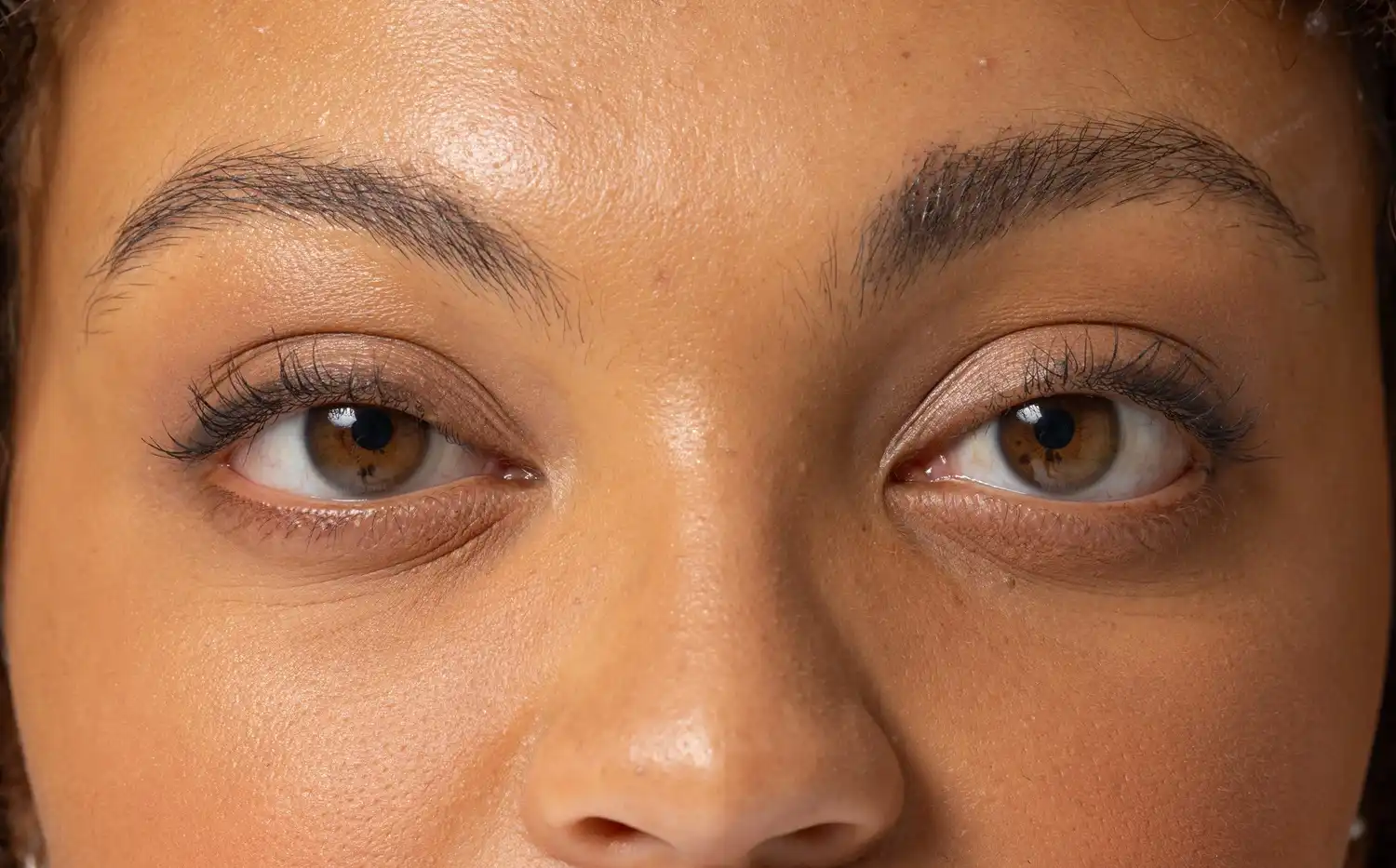
Hooded eyes are a common facial characteristic that affects millions of people across the UK. Whilst they’re a completely natural feature, many individuals seek information about what causes them and how they can be treated. At Linia Cosmetic Surgery, we understand that hooded eyes can impact both your appearance and, in some cases, your vision. This comprehensive guide explores everything you need to know about hooded eyes, from their underlying causes to the most effective treatment options available.What Are Hooded Eyes?Hooded eyes, also known as hooded eyelids, occur when excess skin folds downward from the brow bone to partially or completely cover the upper eyelid. This creates a distinctive “hood” over the eyelid, often leaving a less visible or hidden eyelid crease. The condition results in a heavy-lidded appearance that can make the eyes appear smaller than they actually are.Unlike other eyelid conditions such as ptosis (where the eyelid itself droops), hooded eyes specifically involve excess skin and soft tissue around the eyebrow area that hangs over the eyelid without affecting the eye itself. Whilst hooded eyes typically affect both eyes, it’s possible for only one eye to display this characteristic.The appearance of hooded eyes can vary in severity. Some individuals may have a subtle fold, whilst others experience more pronounced hooding where the excess skin extends low enough to touch the lash line or even obstruct peripheral vision.Common Symptoms of Hooded EyesRecognising hooded eyes is relatively straightforward. When looking in a mirror with your eyes comfortably open, you’ll notice that most or all of your upper eyelid is covered by the skin beneath your brow bone. If your eyelash line touches or comes very close to the skin below your brow, you likely have hooded eyes.Beyond the visual appearance, hooded eyes can present several symptoms that affect both aesthetics and function:Visual and Aesthetic ConcernsHeavy, Tired Appearance: The excess skin creates a weighted look that can make you appear fatigued or older than you are, even after adequate restReduced Eyelid Space: Limited visible eyelid area, with a deep crease rather than an open eyelid spaceSmaller Eye Appearance: The hooding effect can make your eyes look smaller than their actual sizeMakeup Application Difficulties: Eye makeup, particularly eyeshadow and eyeliner, may transfer, smudge more easily, or be challenging to apply effectivelyFunctional SymptomsVisual Field Obstruction: In more severe cases, the drooping skin can partially block your peripheral vision, making everyday activities like driving or reading more challengingEyelid Heaviness: A constant sensation of weight or pressure on your eyelidsEye Strain and Fatigue: The excess skin may cause you to unconsciously raise your eyebrows to compensate, leading to forehead tension and headachesDry or Irritated Eyes: Some people experience eye dryness or irritation due to altered tear distributionIf you’re experiencing significant vision impairment, persistent discomfort, or the condition is affecting your quality of life, it’s advisable to seek professional assessment.What Causes Hooded Eyes?Understanding what contributes to hooded eyes is essential for determining the most appropriate treatment approach. Several factors can lead to this condition:Genetics and EthnicityGenetics plays the most significant role in hooded eyes. If one or both of your parents have hooded eyelids, you’re considerably more likely to inherit this trait. Hooded eyes are particularly common in people of East Asian descent, where they’re considered the most prevalent eye shape, though they can occur across all ethnic backgrounds and populations.Natural Ageing ProcessAs we age, our skin naturally loses elasticity and collagen production decreases. This leads to skin laxity around the eyes, causing the upper eyelid skin to stretch and sag. The muscles and connective tissues that support the eyelids also weaken over time, contributing to a more pronounced hooded appearance. Even individuals born with hooded eyes often find that the condition becomes more noticeable as they grow older.Facial Structure and AnatomyThe underlying structure of your face, including the position and prominence of your brow bone, the distribution of fat deposits, and the strength of the muscles around your eyes, all influence whether you develop hooded eyes. Weak muscles or excess fat in the eye area can make hooded eyes more likely to develop or appear more prominent.Lifestyle FactorsCertain habits can accelerate the ageing process of the delicate skin around your eyes:Sun Exposure: Excessive UV exposure breaks down collagen and elastin fibres, leading to premature skin saggingSmoking: Reduces blood flow to the skin and accelerates the breakdown of collagenChronic Eye Rubbing: Repeatedly rubbing your eyes can stretch and irritate the delicate skin, potentially contributing to hooding over timePoor Sleep and Stress: Can exacerbate the appearance of tired, heavy eyelidsWeight ChangesSignificant weight loss can result in loose, excess skin around the eyes as the facial fat pads shrink. This can lead to or worsen the appearance of hooded eyelids.Medical FactorsIn some cases, medical conditions or treatments can contribute to hooded eyes:Head or facial trauma, particularly injuries to the side of the headCertain medical treatments, including chemotherapy and radiation therapy, which can accelerate skin ageingThyroid eye disease or other conditions affecting the eye areaWhen Should You Consider Treatment for Hooded Eyes?Not everyone with hooded eyes requires treatment. They’re a natural variation in facial structure and are considered attractive in many cultures. However, you might consider seeking treatment if you experience any of the following:Vision Impairment: If the excess skin obstructs your field of vision, particularly your peripheral sightAesthetic Concerns: If the appearance of your hooded eyes affects your self-confidence or how you feel about your appearanceFunctional Discomfort: When the weight of your eyelids causes persistent strain, discomfort, or frequent headachesProgressive Worsening: If the condition is becoming more severe over timeImpact on Daily Life: When hooded eyes interfere with activities like applying makeup, reading, or drivingAt Linia Cosmetic Surgery, our experienced consultants can assess your individual situation and recommend the most suitable treatment options based on your specific concerns and desired outcomes.Non-Surgical Treatment Options for Hooded EyesFor those seeking to address mild to moderate hooded eyes without surgery, several effective non-invasive treatments are available:Botulinum Toxin (Botox) InjectionsStrategic placement of Botox can create a subtle “chemical brow lift” by relaxing specific muscles around the eyebrows. When injected into the outer edge of the eyebrow, it allows the brow to lift slightly, opening up the eye area and reducing the appearance of hooding. Results typically last 3-6 months and the procedure involves minimal downtime. However, it’s important to note that improperly placed injections can worsen drooping, so treatment should only be performed by experienced practitioners.Best For: Mild hooding, those seeking temporary improvement, first-time patients wanting to test results before committing to surgeryDermal FillersInjectable dermal fillers can be strategically placed in the brow or temple area to restore volume lost due to ageing. This provides a gentle lifting effect to sagging skin, helping to open up the eye area. Fillers offer rapid, natural-looking results and can last anywhere from 6-18 months depending on the product used.Best For: Volume loss-related hooding, combination treatment with Botox, gradual improvement seekersPlasma Therapy (Plexr/Plasmage)This innovative treatment uses controlled micro-beams of plasma energy to tighten and rejuvenate the skin around the eyelids. The procedure stimulates collagen production by creating precise points on the skin’s surface, promoting tighter, firmer skin over time. Plexr offers non-surgical skin tightening with no incisions, cuts, or stitches required, and features quicker recovery than surgical alternatives.Best For: Mild to moderate hooding, those avoiding surgery, patients seeking collagen stimulationRadiofrequency TreatmentsRadiofrequency technology delivers controlled thermal energy to the deeper layers of skin, stimulating collagen production and resulting in tightened, firmer skin around the eyes. Multiple sessions may be required for optimal results, with improvements continuing over several months.Best For: Early-stage hooding, skin tightening needs, gradual, natural-looking improvementThread LiftsTemporary sutures are used to gently pull the eyebrows back into a more youthful position. This minimally invasive procedure offers immediate results with minimal downtime. However, the lift is typically modest (only a few millimetres) and is most suitable for mild to moderate hooding.Best For: Mild hooding, those seeking temporary results, candidates not ready for surgeryTopical TreatmentsPrescription or over-the-counter creams containing retinoids, peptides, or hyaluronic acid may offer modest improvements in skin firmness and texture. Whilst these cannot dramatically change hooded eyes, they can support overall skin health and may slow progression.Best For: Very mild cases, prevention, complementing other treatmentsSurgical Treatment: Upper BlepharoplastyFor moderate to severe hooded eyes, or for those seeking permanent, dramatic results, upper blepharoplasty (eyelid lift surgery) remains the gold standard treatment. This surgical procedure effectively removes excess skin and, when necessary, fat or muscle from the upper eyelids.What Is Upper Blepharoplasty?Upper blepharoplasty is a precise surgical procedure that addresses the fundamental causes of hooded eyes by removing surplus tissue. The surgery creates a more defined eyelid crease and opens up the eye area, resulting in a refreshed, alert, and more youthful appearance.The ProcedureDuring upper blepharoplasty, your surgeon will:Make Strategic Incisions: Carefully placed incisions are made along the natural crease of the upper eyelids, extending slightly into the outer corner (crow’s feet area). This ensures scars are well-hidden within the natural contours of the eyelid.Remove Excess Tissue: Any surplus skin, fat causing the hooded appearance, and if necessary, sagging muscle tissue is precisely removed.Close the Incisions: The incisions are closed using very fine sutures, employing meticulous techniques that minimise visible scarring.The procedure typically takes between 45 minutes to 2 hours and can be performed under local anaesthetic with or without sedation, or under general anaesthetic, depending on your preference and the extent of the surgery.Benefits of Upper BlepharoplastyPermanent Results: Unlike non-surgical treatments, the results of blepharoplasty are long-lasting, typically 10-15 years or moreImproved Vision: Removal of obstructing skin can significantly enhance peripheral visionYouthful, Refreshed Appearance: Creates a more open, alert look that makes you appear well-rested and youngerEnhanced Confidence: Many patients report improved self-esteem and satisfaction with their appearanceNatural-Looking Results: When performed by an experienced surgeon, the results appear entirely naturalMinimal Visible Scarring: Scars are concealed within the natural eyelid crease and fade to fine lines over timeEasier Makeup Application: With more visible eyelid space, applying eye makeup becomes simplerRecovery and AftercareRecovery from upper blepharoplasty is generally straightforward:Immediate Post-Operative Period: You may experience swelling, bruising, and mild discomfort, which peaks 1-2 days after surgeryFirst Week: Most visible bruising and swelling. Stitches are typically removed after 5-7 days. Cold compresses help reduce swellingTwo Weeks: Most patients return to work and normal activities. Bruising significantly diminishedOne Month: Majority of swelling resolved. Results becoming more apparentThree to Six Months: Final results fully visible as all swelling subsides and scars matureIdeal CandidatesUpper blepharoplasty is suitable for individuals who:Have excess skin on the upper eyelids causing hoodingExperience vision obstruction due to drooping eyelidsAre in good overall healthHave realistic expectations about outcomesAre non-smokers or willing to stop smoking before and after surgeryAre bothered by the tired or aged appearance of their eyesWhilst most patients are over 40, younger individuals with a genetic predisposition to hooded eyes may also benefit from the procedure.Alternative Surgical Option: Brow LiftIn some cases, hooded eyes may actually be caused by a low or drooping brow rather than excess eyelid skin. When this is the case, a brow lift (forehead lift) may be more appropriate than or used in combination with upper blepharoplasty.A brow lift repositions the eyebrow higher on the brow bone, which can reduce the appearance of hooded eyes by lifting the excess skin upward. Your surgeon will assess your facial anatomy during consultation to determine whether a brow lift, blepharoplasty, or combination approach would achieve the best results for your unique situation.Making the Right Decision for YouChoosing the appropriate treatment for hooded eyes depends on several factors:Severity of hooding: Mild cases may respond well to non-surgical treatments, whilst moderate to severe hooding typically requires surgeryYour age: Younger patients with good skin elasticity may see benefits from non-invasive treatmentsCause of hooding: Whether it’s primarily genetic, age-related, or due to brow positionYour goals: Whether you’re seeking temporary improvement or permanent changeFunctional vs. aesthetic concerns: Vision impairment may necessitate surgical interventionRecovery time available: Non-surgical treatments require minimal downtime, whilst surgery needs more recovery timeBudget considerations: Non-surgical treatments are less expensive initially but require maintenance, whilst surgery is a one-time investment
October 30, 2025 Face Treatments Blogs

Turkey Neck Treatment: How to Rejuvenate Your Neck Naturally

Turkey neck—that sagging, loose skin beneath the chin—is one of the most common signs of aging that concerns patients at Linia Cosmetic Surgery. While this condition is a natural part of getting older, it can make you look tired, aged, or heavier than you actually are. The good news? Modern cosmetic procedures can address turkey neck effectively while maintaining a natural, refreshed appearance that doesn’t scream “work done.”Understanding Turkey Neck: What Causes It?Before exploring solutions, it’s important to understand why turkey neck develops. This knowledge helps set realistic expectations and choose the most appropriate treatment approach.Primary Contributing Factors:The aging process affects the neck area through multiple mechanisms. Collagen and elastin, the proteins responsible for skin firmness and elasticity, naturally decline with age. The platysma muscle—a thin, sheet-like muscle extending from the chest to the jawline—begins to separate and loosen over time, creating vertical bands. Fat may accumulate beneath the chin while facial fat pads descend, contributing to jowls and an undefined jawline. Genetics play a significant role in determining when and how severely turkey neck appears, with some individuals experiencing these changes earlier than others.Sun damage accelerates skin aging in the neck area, which is often neglected in skincare routines. Weight fluctuations, particularly significant weight loss, can leave excess skin that lacks the elasticity to bounce back. Even modern lifestyle factors like “tech neck”—constantly looking down at phones and computers—contribute to premature sagging by repeatedly creasing the skin and weakening supporting structures.The Natural-Looking Approach: Key PrinciplesAt Linia Cosmetic Surgery, we believe the best cosmetic outcomes are those that enhance your natural features rather than dramatically altering them. Here are the principles that guide our approach to turkey neck correction:Subtle Enhancement Over Dramatic Change: The goal isn’t to achieve the neck of a 20-year-old if you’re 60, but rather to restore a more youthful version of yourself. This means preserving your unique facial characteristics while addressing the specific concerns that bother you most.Customized Treatment Plans: No two patients are identical. Some individuals primarily need skin tightening, while others require muscle repair, fat removal, or a combination of approaches. A thorough consultation allows us to assess your unique anatomy and create a tailored treatment plan.Gradual Improvements: Sometimes the best results come from staging procedures or combining minimally invasive treatments over time rather than opting for one aggressive intervention. This approach allows for adjustments and ensures you’re comfortable with each step.Maintaining Proper Proportions: The neck doesn’t exist in isolation. A successful outcome considers how the neck relates to the jawline, chin, and lower face, ensuring harmonious proportions that look balanced from every angle.Non-Surgical Options: When Less Is MoreFor patients with mild to moderate turkey neck or those not ready for surgery, several non-surgical treatments can deliver noticeable improvements.Ultherapy and Radiofrequency Treatments: These energy-based devices work by heating the deeper layers of skin, stimulating collagen production and providing a subtle lifting effect. Ultherapy uses focused ultrasound technology to target specific depths beneath the skin without damaging the surface. Results develop gradually over two to three months as new collagen forms, with improvements lasting up to a year or more.Radiofrequency treatments like Thermage or Profound RF create controlled thermal injury that triggers the body’s natural healing response. While these treatments won’t provide the dramatic results of surgery, they’re excellent options for patients with mild laxity who want to avoid downtime. Multiple sessions may be recommended for optimal results, and maintenance treatments help preserve improvements.Injectable Treatments: Kybella, an FDA-approved injectable containing deoxycholic acid, can reduce submental fat—the excess fat beneath the chin that contributes to fullness. The treatment involves a series of injections over multiple sessions, with each session spaced about a month apart. As the fat cells are destroyed and naturally eliminated by the body, the area becomes more contoured.Neurotoxins like Botox can also play a role in addressing turkey neck by relaxing the platysma muscle bands. When injected strategically along these vertical bands, Botox temporarily prevents the muscle from pulling downward, creating a slight lifting effect. This approach works best for patients with prominent muscle bands but minimal skin laxity.Thread Lifts: PDO (polydioxanone) threads offer a minimally invasive alternative to traditional surgery. These dissolvable sutures are inserted beneath the skin to provide immediate lifting and support while stimulating collagen production over time. While thread lifts can provide noticeable improvement with minimal downtime, results are more subtle than surgical options and typically last 12 to 18 months.The ideal candidate for thread lifts has mild to moderate sagging and still possesses reasonable skin elasticity. These treatments work particularly well when combined with other non-surgical modalities for a comprehensive rejuvenation approach.Surgical Solutions: Lasting Results with Natural AestheticsWhen non-surgical options aren’t sufficient to achieve your goals, surgical intervention may be the most effective path forward. Modern surgical techniques have evolved significantly, focusing on natural-looking outcomes rather than the overly tight, operated appearance that characterized older approaches.Neck Lift (Platysmaplasty): A neck lift remains the gold standard for addressing moderate to severe turkey neck. During this procedure, incisions are typically made behind the ears and sometimes under the chin. The surgeon can then remove excess skin, tighten the platysma muscle by suturing it in the midline, remove or reposition fat, and redrape the skin for a smoother, more youthful contour.Modern neck lift techniques emphasize maintaining natural angles and avoiding the “pulled” appearance. Your surgeon will consider the cervicomental angle—the angle between your chin and neck—aiming for approximately 90 to 105 degrees, which creates an elegant, youthful profile. The procedure typically takes two to three hours under general anesthesia or deep sedation, with recovery requiring about two weeks before returning to normal activities.Mini Neck Lift: For patients with moderate concerns and good skin quality, a mini neck lift offers excellent results through smaller incisions and less extensive tissue manipulation. This less invasive approach focuses on addressing early signs of aging, such as mild banding or excess fat, without the recovery time required for a full neck lift.The mini neck lift is particularly popular among younger patients in their 40s and 50s experiencing early signs of neck aging. Because the procedure is less extensive, swelling and bruising are typically reduced, allowing for a faster return to daily life.Combination Approaches: Many patients benefit from combining a neck lift with other procedures for comprehensive facial rejuvenation. A lower facelift addresses jowls and the jawline, creating a seamless transition from face to neck. Chin augmentation with an implant or filler can improve the neck profile by creating better definition. Liposuction removes excess fat while preserving skin integrity.At Linia Cosmetic Surgery, we carefully evaluate whether a combination approach would serve you best, always keeping in mind that more isn’t necessarily better. The key is selecting procedures that address your specific concerns while maintaining balance and proportion.The Consultation: Setting the Foundation for Natural ResultsAchieving natural-looking results begins long before surgery—it starts with an honest, thorough consultation. This is your opportunity to discuss your concerns, understand your options, and ensure you and your surgeon share the same aesthetic vision.What to Expect During Your Consultation: Your surgeon will examine your neck anatomy, including skin quality and elasticity, platysma muscle condition, fat distribution, and bone structure. Be prepared to discuss your medical history, including previous surgeries, current medications, smoking habits, and any medical conditions that might affect healing.This is also the time to share your aesthetic goals. Bringing photos of yourself from 10 to 15 years ago can help illustrate what you’d like to restore, while photos of results you find appealing (or overly done) help your surgeon understand your preferences. However, remember that everyone’s anatomy is unique, and your results will be tailored to your individual features.Questions to Ask Your Surgeon: Don’t hesitate to ask detailed questions during your consultation. Important topics include the surgeon’s experience with neck procedures, what specific techniques they recommend for your case, realistic expectations for results, potential risks and complications, recovery timeline and what to expect at each stage, before and after photos of similar patients, and what happens if you’re not satisfied with results.A qualified surgeon will welcome these questions and provide honest, detailed answers. If you feel rushed or dismissed, that’s a red flag worth noting.Recovery and Aftercare: Protecting Your InvestmentThe recovery period is crucial for achieving optimal results while maintaining a natural appearance. Following your surgeon’s post-operative instructions carefully can make the difference between good results and exceptional ones.Immediate Post-Operative Period: The first few days after surgery require rest and careful monitoring. You’ll likely experience swelling, bruising, and some discomfort, all of which are normal and manageable with prescribed medications. Most surgeons recommend keeping your head elevated, even while sleeping, to minimize swelling. Cold compresses can help reduce swelling and provide comfort during the first 48 hours.A compression garment is typically worn for one to two weeks to support tissues as they heal and reduce swelling. While you may feel tempted to check your results frequently, remember that swelling can obscure the final outcome for several weeks or even months.Returning to Normal Activities: Most patients can return to light activities and work within 10 to 14 days, though this varies based on the extent of surgery and individual healing. Strenuous exercise, heavy lifting, and activities that raise blood pressure should be avoided for four to six weeks to prevent complications like hematoma or prolonged swelling.Sun protection is essential during the healing process and beyond. The neck area should be protected from direct sun exposure, as UV damage can compromise healing and contribute to premature aging of surgical results.Long-Term Maintenance: While surgical results are long-lasting, they don’t stop the aging process entirely. Maintaining results requires ongoing care, including proper skincare with medical-grade products, sun protection using broad-spectrum SPF daily, a healthy lifestyle with balanced nutrition and regular exercise, avoiding smoking, which accelerates skin aging, staying hydrated to support skin health, and considering maintenance treatments like neurotoxins or skin tightening procedures as needed.Many patients find that their surgical results last 10 to 15 years or more when properly maintained. Some may eventually opt for secondary procedures, but these are typically less extensive than the original surgery.Red Flags: Signs of Overdone WorkUnderstanding what constitutes an overdone result helps you communicate effectively with your surgeon and make informed decisions. Here are common signs of excessive or poorly executed neck work:The “Wind Tunnel” Effect: Skin that appears stretched too tightly creates an unnatural, windswept appearance. This often results from removing too much skin or pulling too aggressively during surgery. A natural result should show smoothness without obvious tension.Loss of Natural Contours: The neck should maintain gentle, natural curves rather than appearing completely flat or column-like. Overly aggressive fat removal can create a skeletal appearance, while excessive muscle tightening may produce an unnaturally rigid look.Visible Scarring: While some scarring is inevitable with surgery, properly placed and executed incisions should heal with minimal visibility. Scars that are wide, raised, or poorly positioned indicate either surgical technique issues or healing complications.Platysmal Bands Becoming Cords: Ironically, over-tightening the platysma muscle can sometimes create visible cords in the neck rather than smooth contours. Skilled surgeons understand the balance between adequate tightening and maintaining natural appearance.Unnatural Angles: The cervicomental angle (between chin and neck) should fall within the natural range. An angle that’s too acute creates a “scooped out” appearance, while inadequate definition fails to address the original concern.Choosing the Right Surgeon: Your Most Important DecisionYour choice of surgeon ultimately determines your outcome more than any other factor. Board certification, extensive experience with neck procedures, a portfolio of natural-looking results, honest communication about realistic expectations, and a philosophy that aligns with your aesthetic goals are all essential criteria.At Linia Cosmetic Surgery, our commitment is to provide results that enhance your natural beauty while addressing your specific concerns. We believe in taking the time to understand your goals, thoroughly explaining your options, and executing procedures with meticulous attention to detail.Conclusion: A Refreshed You, Not a Different YouGetting rid of turkey neck doesn’t mean erasing every sign that you’ve lived a full life—it means looking like a refreshed, rejuvenated version of yourself. Whether you choose non-surgical treatments, surgical intervention, or a combination approach, the key is finding a solution that addresses your concerns while maintaining natural proportions and movement.Modern techniques and technologies offer more options than ever before for achieving elegant, natural-looking results. The difference between a good outcome and an exceptional one often comes down to careful planning, choosing the right surgeon, and maintaining realistic expectations throughout the process.If turkey neck has been affecting your confidence, we invite you to schedule a consultation at Linia Cosmetic Surgery. Together, we’ll explore your options and create a personalized treatment plan designed to help you look and feel like the best version of yourself—naturally.
October 29, 2025 Face Treatments Blogs

What Age Is Best to Get a Facelift? Understanding the Ideal Time for Surgery

One of the most common questions we hear at Linia Cosmetic Surgery is: “Am I too young for a facelift?” or conversely, “Have I left it too late?” The truth is, there’s no single “perfect” age for facelift surgery. Rather, the ideal timing depends on a combination of factors unique to each individual.Understanding the Ageing ProcessBefore we explore the optimal age for a facelift, it’s important to understand how facial ageing occurs. As we age, several changes take place:The skin loses elasticity and begins to sagFat deposits shift or diminish, creating hollows in some areas and fullness in othersBone structure gradually changesMuscles weaken, contributing to jowls and neck laxitySun damage and lifestyle factors accelerate these natural processesThese changes don’t happen overnight, nor do they occur at the same rate for everyone. Genetics, sun exposure, smoking, diet, and overall health all play significant roles in how and when our faces show signs of ageing.The Traditional Age RangeHistorically, most facelift patients have been between 50 and 70 years old. This age range often represents a sweet spot where:Signs of ageing are pronounced enough to justify surgerySkin still retains reasonable elasticity for optimal resultsPatients are generally healthy enough for surgery and recoveryResults can last 10 years or moreHowever, modern techniques and changing attitudes towards cosmetic surgery have broadened this range considerably.The Rise of the Younger FaceliftIn recent years, we’ve seen a growing trend of patients in their 40s and even late 30s considering facelift procedures. This shift is driven by several factors:Preventative Approach: Some patients prefer to address early signs of ageing before they become pronounced. A “mini facelift” or limited procedure at a younger age can provide subtle rejuvenation and potentially delay the need for more extensive surgery later.Better Skin Quality: Younger patients typically have better skin elasticity, which can lead to superior results and potentially longer-lasting outcomes.Social and Professional Considerations: In our image-conscious society, many professionals feel pressure to maintain a youthful appearance in competitive industries.Advanced Techniques: Modern facelift techniques are less invasive than traditional methods, with shorter recovery times and more natural-looking results, making the procedure more appealing to younger patients.Is There Such a Thing as Too Young?Whilst there’s no strict age limit, we generally advise caution for patients under 40 seeking a full facelift. At this age, non-surgical treatments such as dermal fillers, Botox, skin tightening procedures, or thread lifts may provide sufficient rejuvenation without the need for surgery.That said, some younger patients are genuinely good candidates for surgical intervention, particularly if they have:Significant genetic predisposition to early facial ageingSubstantial weight loss resulting in excess skinSun damage from years of unprotected exposureRealistic expectations about outcomesCan You Be Too Old for a Facelift?The short answer is no—there’s no upper age limit for facelift surgery. We’ve successfully performed facelifts on patients well into their 70s and 80s. What matters most isn’t the number of candles on your birthday cake, but rather:Overall health and fitness for surgeryRealistic expectationsProper medical clearanceGood skin condition (though some laxity is expected)In fact, older patients often experience some of the most dramatic and satisfying transformations, as they typically have more pronounced signs of ageing to correct.Factors That Matter More Than AgeRather than focusing solely on chronological age, we consider several key factors when determining candidacy for facelift surgery:Skin Quality and Elasticity: Good skin elasticity is crucial for optimal results. Patients with severely sun-damaged or thin skin may not achieve the same outcomes as those with better skin quality, regardless of age.Overall Health: General fitness, absence of serious medical conditions, and non-smoking status are far more important than age alone.Degree of Facial Ageing: Some people in their 50s show more advanced signs of ageing than others in their 60s. We assess the actual condition of your face rather than relying on age as a primary indicator.Lifestyle and Expectations: Your lifestyle, career, social life, and personal goals all influence the timing of your facelift.Emotional Readiness: Being psychologically prepared for surgery and having realistic expectations are crucial components of successful outcomes.The Ideal Facelift TimelineBased on our experience at Linia Cosmetic Surgery, here’s a general guideline for facelift timing:Late 30s to Early 40s: Consider non-surgical options first, such as injectables, laser treatments, or skin tightening procedures. A mini facelift might be appropriate for early signs of ageing.Mid-40s to 50s: Often an excellent time for a first facelift, particularly if ageing signs are moderate. Results tend to be long-lasting, and recovery is typically smooth.60s: Still an ideal age for facelift surgery. Most patients in this age group see dramatic, natural-looking improvements that can take years off their appearance.70s and Beyond: Facelift surgery remains a viable option with proper health screening. Results can be transformative, though recovery may take slightly longer than in younger patients.Maintaining Your ResultsRegardless of when you choose to have a facelift, maintaining your results is essential. This includes:Protecting your skin from sun damageMaintaining a stable weightFollowing a good skincare regimenAvoiding smokingManaging stressConsidering complementary non-surgical treatments as needed
August 14, 2025 Face Treatments Blogs

Upper vs. Lower Eyelid Surgery: Key Differences You Should Know

The eyes are often considered the windows to the soul, and they’re certainly one of the first features people notice about your face. As we age, the delicate skin around our eyes shows some of the earliest and most prominent signs of time’s passage. Upper and lower eyelid surgery, collectively known as blepharoplasty, offers effective solutions to rejuvenate the eye area and restore a more youthful, refreshed appearance.However, upper and lower eyelid surgeries are distinctly different procedures that address different concerns, involve varying techniques, and have unique recovery profiles. Understanding these key differences is essential for making informed decisions about which procedure, or combination of procedures, might be right for you.Understanding Eyelid Anatomy and AgeingBefore exploring the differences between upper and lower eyelid surgery, it’s important to understand how the eye area ages and what specific problems each procedure addresses.The periorbital region (area around the eyes) consists of some of the thinnest skin on the human body, making it particularly susceptible to signs of ageing. The muscles, fat pads, and supporting structures in this area also change over time, contributing to various aesthetic and sometimes functional concerns.Upper eyelid ageing typically manifests as excess skin that may droop over the eyelash line, creating a hooded appearance that can make eyes look smaller, tired, or aged. In severe cases, this excess skin can actually impair vision by obstructing the upper visual field.Lower eyelid ageing commonly presents as under-eye bags caused by protruding fat pads, fine lines and wrinkles, loose skin, and sometimes a hollowed appearance that creates dark circles or shadowing under the eyes.Upper Eyelid Surgery: Addressing the Upper Eye AreaWhat Upper Blepharoplasty TreatsUpper eyelid surgery specifically addresses concerns affecting the upper portion of the eye area:Excess upper eyelid skin that creates a hooded or heavy appearance, making eyes appear smaller or more tired than they actually are.Drooping eyelid skin that may hang over the eyelash line and, in severe cases, obstruct vision or interfere with activities like reading or driving.Fat pad protrusion in the upper eyelid area that creates bulging or asymmetry.Deep upper eyelid creases that have become more pronounced with age or contribute to a tired appearance.Functional impairment where excess skin actually interferes with vision, making this sometimes a medically necessary procedure rather than purely cosmetic.The Upper Blepharoplasty ProcedureUpper eyelid surgery is typically performed as an outpatient procedure under local anaesthesia with sedation, though general anaesthesia may be used in some cases.Incision placement is carefully planned within the natural crease of the upper eyelid, ensuring that any resulting scar will be well-hidden when the eye is open. This natural camouflage is one of the significant advantages of upper eyelid surgery.Tissue removal involves the precise excision of excess skin and sometimes underlying muscle or fat. The amount removed is carefully calculated to achieve the desired result while maintaining natural eye function and appearance.Closure technique uses fine sutures to bring the incision edges together with minimal tension, promoting optimal healing and scar formation.The entire procedure typically takes 1-2 hours for both eyes, making it one of the more straightforward cosmetic surgical procedures.Recovery from Upper BlepharoplastyRecovery from upper eyelid surgery is generally more straightforward than lower eyelid procedures:Immediate post-operative period involves some swelling and bruising, which typically peaks within 48-72 hours and then gradually subsides.Suture removal usually occurs 5-7 days after surgery, at which point most patients can return to work and normal activities.Activity restrictions are minimal, though patients should avoid heavy lifting, strenuous exercise, and activities that significantly increase blood pressure for about two weeks.Final results become apparent within 4-6 weeks as swelling completely resolves and incision lines mature.Expected OutcomesUpper eyelid surgery typically provides:More open, alert-looking eyesReduction or elimination of hooded appearanceImproved symmetry between the eyesIn cases of functional impairment, restored peripheral visionA more youthful, refreshed appearanceLower Eyelid Surgery: Rejuvenating the Under-Eye AreaWhat Lower Blepharoplasty TreatsLower eyelid surgery addresses different concerns specific to the under-eye area:Under-eye bags caused by protruding or repositioned fat pads that create a puffy, tired appearance.Loose lower eyelid skin that may create fine lines, wrinkles, or a crepey texture.Tear trough deformity where there’s a visible groove between the lower eyelid and cheek, creating shadows and an aged appearance.Lower eyelid laxity where the eyelid itself has lost structural support and may appear to droop or pull away from the eye.Combination of volume loss and excess where some areas appear hollow whilst others are puffy, creating an uneven under-eye contour.The Lower Blepharoplasty ProcedureLower eyelid surgery is more complex than upper eyelid surgery due to the intricate anatomy and multiple tissues involved:Approach options include transconjunctival (from inside the eyelid) or external (through a skin incision). The choice depends on your specific anatomy and the corrections needed.Transconjunctival approach is used when the primary concern is fat repositioning or removal without significant skin excess. The incision is made inside the lower eyelid, leaving no visible scar.External approach is necessary when excess skin must be removed or when more extensive rejuvenation is required. The incision is typically made just below the eyelash line.Fat management may involve removal, repositioning, or both. Modern techniques often focus on repositioning fat rather than simply removing it, creating more natural, long-lasting results.Additional procedures such as canthopexy (tightening of the lower eyelid support) or skin resurfacing may be performed simultaneously to optimise results.Recovery from Lower BlepharoplastyLower eyelid surgery typically involves a more complex recovery process:Initial healing period involves more significant swelling and bruising that may take 1-2 weeks to substantially improve.Activity restrictions are more extensive, with patients needing to avoid bending over, heavy lifting, and strenuous activities for 2-3 weeks.Suture removal occurs at varying timeframes depending on the techniques used, typically 5-10 days post-surgery.Temporary side effects may include increased tear production, dry eyes, or temporary changes in lower eyelid position that usually resolve with healing.Complete recovery and final results may take 3-6 months as tissues fully settle and any swelling completely resolves.Expected OutcomesLower eyelid surgery typically provides:Reduction or elimination of under-eye bagsSmoother under-eye contourImproved definition between the eyelid and cheekReduction in fine lines and wrinklesOverall rejuvenation of the lower eye areaKey Differences: A Direct ComparisonComplexity and DurationUpper eyelid surgery is generally more straightforward, taking 1-2 hours with relatively predictable outcomes and fewer potential complications.Lower eyelid surgery is more complex, potentially taking 2-3 hours and requiring greater surgical expertise due to the intricate anatomy and multiple tissue layers involved.Scarring and HealingUpper blepharoplasty scars heal within the natural eyelid crease, making them virtually invisible once healed. The healing process is typically uncomplicated.Lower blepharoplasty scars vary depending on approach. Transconjunctival approaches leave no visible scars, whilst external approaches create scars just below the lash line that, whilst well-concealed, require more careful healing management.Recovery TimelineUpper eyelid recovery is generally faster, with most patients returning to normal activities within a week and seeing final results within 4-6 weeks.Lower eyelid recovery takes longer, often requiring 2-3 weeks before returning to full activities and 3-6 months for complete results to be apparent.Potential ComplicationsUpper blepharoplasty complications are relatively rare and may include infection, asymmetry, or overcorrection. Serious complications affecting vision are extremely uncommon.Lower blepharoplasty complications can be more varied and include temporary or permanent changes in eyelid position, dry eyes, scarring issues, or asymmetry. These procedures require more specialised expertise to minimise risks.Functional vs. Aesthetic ConsiderationsUpper eyelid surgery may address both functional concerns (vision impairment) and aesthetic goals, sometimes making it a medically necessary procedure.Lower eyelid surgery is primarily aesthetic, focusing on appearance enhancement rather than functional improvement.Can You Have Both Procedures?Many patients benefit from combining upper and lower eyelid surgery in a single procedure, often called a “four-lid blepharoplasty.” This comprehensive approach can provide:Advantages of Combined SurgeryComprehensive rejuvenation that addresses all eye area concerns simultaneously.Balanced results ensuring that improvements to one area don’t make other areas appear more aged by comparison.Single recovery period rather than two separate healing phases.Cost efficiency as combined procedures are often more economical than staged surgeries.Considerations for Combined ProceduresExtended surgery time and potentially increased anaesthesia requirements.More intensive recovery with potentially more swelling and bruising initially.Higher complexity requiring surgeons with expertise in both procedures.Increased initial investment though potentially more cost-effective long-term.Choosing the Right Procedure for YouCandidates for Upper BlepharoplastyYou may be an ideal candidate for upper eyelid surgery if you have:Excess upper eyelid skin creating a hooded appearanceDrooping eyelids that make you look tired or agedUpper eyelid skin that interferes with visionGood general health and realistic expectationsStable eye prescription (if applicable)Candidates for Lower BlepharoplastyLower eyelid surgery may be appropriate if you experience:Prominent under-eye bags or puffinessLoose, wrinkled lower eyelid skinTear trough deformity creating shadowingGood bone structure and adequate lower eyelid supportRealistic expectations about outcomes and recoveryFactors Affecting CandidacyAge considerations – Both procedures can be performed on patients ranging from their 30s to 70s and beyond, depending on individual anatomy and goals.Health status – Good general health is essential for any surgical procedure, with particular attention to eye health and any medications that might affect healing.Lifestyle factors – Smoking significantly impairs healing and increases complication risks, particularly for eyelid surgery.Realistic expectations – Understanding what each procedure can and cannot achieve is crucial for satisfaction with results.Alternative and Complementary TreatmentsNon-Surgical OptionsFor patients not ready for surgery or with mild concerns, non-surgical alternatives may provide some improvement:Radiofrequency treatments can provide mild skin tightening for the eye area.Injectable treatments such as dermal fillers can address tear trough concerns or volume loss.Laser resurfacing may improve fine lines and skin texture around the eyes.Botox injections can address dynamic wrinkles and may provide subtle brow elevation.Complementary ProceduresBoth upper and lower blepharoplasty can be enhanced when combined with:Brow lift procedures to address forehead and brow positionFacial fat grafting to restore volumeSkin resurfacing treatments for texture improvementInjectable treatments for fine line reductionLong-Term Results and MaintenanceDurability of ResultsUpper blepharoplasty results typically last 10-15 years or longer, as the excess skin that’s removed doesn’t regenerate.Lower blepharoplasty outcomes can be long-lasting, though the under-eye area may continue to age gradually over time.Factors Affecting LongevityGenetics play a significant role in how quickly ageing continues after surgery.Sun protection is crucial for maintaining results and preventing premature ageing of the delicate eye area.Skincare regimen including quality moisturisers and retinoids can help maintain skin quality.Lifestyle factors such as smoking, sleep quality, and overall health significantly impact long-term results.Future Treatment ConsiderationsRevision procedures are occasionally necessary, more commonly with lower eyelid surgery than upper.Complementary treatments may be beneficial years later to address continued ageing in adjacent areas.Maintenance procedures such as injectable treatments or skin resurfacing may help extend and enhance surgical results.Making Your DecisionConsultation ProcessA comprehensive consultation should include:Detailed analysis of your eye area anatomyDiscussion of your specific concerns and goalsExplanation of appropriate treatment optionsReview of potential risks and complicationsClear understanding of recovery expectationsCost information and financing optionsQuestions to Ask Your SurgeonExperience and credentials – Ensure your surgeon is qualified and experienced in eyelid surgery.Approach preferences – Understand why specific techniques are recommended for your case.Risk management – Discuss how complications are prevented and managed if they occur.Recovery support – Understand what support will be available during your healing process.ConclusionUpper and lower eyelid surgery offer powerful solutions for rejuvenating the eye area, but they address different concerns through distinct surgical approaches. Understanding these key differences helps ensure you make informed decisions about your aesthetic goals.Upper blepharoplasty provides straightforward correction of drooping, excess upper eyelid skin with relatively simple recovery, whilst lower blepharoplasty offers more complex rejuvenation of the under-eye area with a more involved healing process.The choice between these procedures, or the decision to combine them, should be based on your specific anatomy, concerns, lifestyle, and aesthetic goals. At Linia Cosmetic Surgery, our experienced team specialises in both procedures and can help you determine the most appropriate approach for achieving your desired results.Whether you’re considering upper eyelid surgery, lower eyelid surgery, or a combination approach, the key to success lies in choosing qualified surgeons, having realistic expectations, and committing to proper pre- and post-operative care. The investment in eyelid rejuvenation can provide years of enhanced confidence and a more youthful, refreshed appearance that reflects how vibrant you feel inside.
February 18, 2025 Face Treatments Blogs

What Is the Ideal Age for Otoplasty?

Before discussing the ideal age, it’s important to understand what otoplasty entails. Otoplasty is a surgical procedure designed to correct protruding ears by reshaping and repositioning them closer to the head. The surgery typically involves:Making an incision behind the ear to access the cartilageReshaping or removing cartilage to create a more balanced appearanceSecuring the ear in its new position with suturesApplying dressings to support the ears during the healing processThe surgery generally takes 1-2 hours, is performed under local anaesthetic (with sedation) for adults or general anaesthetic for children, and is typically completed as an outpatient procedure, allowing patients to return home the same day.The Developmental Timeline of EarsA crucial factor in determining the appropriate age for otoplasty is understanding ear development. Here’s what the research shows:By age 4-5, ears have reached approximately 85-90% of their adult sizeBy age 6-7, ear growth is nearly completeAfter age 8, changes to ear size and shape are minimalThis developmental timeline serves as the foundation for age recommendations regarding otoplasty.Otoplasty for Children: Ages 5-14The Optimal WindowMany plastic surgeons consider ages 5-7 to be the ideal window for otoplasty in children. There are several compelling reasons for this recommendation:Physical Considerations:Ear development is nearly complete by this ageCartilage is still soft and malleable, making it easier to reshapeHealing tends to be quicker and less complicatedResults can be enjoyed throughout childhood and adolescencePsychological Considerations:Intervention before school-age can prevent potential bullyingChildren are generally less self-conscious about the procedure at younger agesThe psychological impact of teasing about prominent ears can be avoidedSelf-esteem is developed during these formative yearsWhat the Research ShowsStudies have demonstrated that children who undergo otoplasty at younger ages typically experience:High satisfaction rates (95% according to a 2018 study published in the British Journal of Plastic Surgery)Minimal complications when performed by qualified surgeonsSignificant improvements in self-confidence and social integrationReduced instances of psychological distress related to appearanceParental Consent and Child InvolvementWhile parents ultimately make the decision for younger children, it’s important to:Ensure the child understands the procedure in age-appropriate termsListen to the child’s feelings about their earsNot pressure children who don’t express concern about their earsConsider consulting with a child psychologist if there’s uncertaintyOtoplasty for Adolescents: Ages 14-18The adolescent years represent another common timeframe for otoplasty. By this age:Individuals have greater awareness of their appearanceThey can more actively participate in the decision-making processThey may have experienced social difficulties related to ear appearanceThey’re typically mature enough to handle the recovery process responsiblyFor teenagers, the decision should increasingly involve their input, with parents serving as guides rather than primary decision-makers.Otoplasty for Adults: 18+Never Too LateA significant proportion of otoplasty procedures are performed on adults. Benefits of adult otoplasty include:Full patient autonomy in the decision-making processGreater understanding of the procedure’s risks and benefitsOften stronger motivation and clearer expectationsAbility to follow post-operative instructions independentlyProfessional AdvantagesMany adults pursue otoplasty for professional reasons, noting that their ears have affected:Confidence in workplace interactionsHairstyle choices (often grown to hide ears)Comfort with professional photographs and video conferencesOverall professional presenceConsiderations Regardless of AgeRegardless of when otoplasty is performed, certain factors remain consistent:Health RequirementsGood overall healthNo active ear infectionsNo serious medical conditions that might impair healingRealistic ExpectationsUnderstanding that perfect symmetry is unlikelyRecognition that scars, while hidden, will existAwareness that some minor irregularities may persistRecovery Timeline1-2 weeks before returning to normal activitiesProtective headband worn for several weeks (especially at night)Full healing and final results visible after 2-3 monthsSpecial Considerations for Different Age GroupsFor Children:School holidays are ideal for recoverySpecial attention to protecting ears during playground activitiesAge-appropriate explanation of the healing processFor Teenagers:Social media considerations during recoverySports participation limitationsBalancing recovery with academic responsibilitiesFor Adults:Work scheduling around recoveryProfessional appearance concerns during healingHealthcare coverage and financial planningMaking the Decision: Questions to AskWhen determining the right age for otoplasty, consider:Is the individual (child or adult) bothered by their ears?Has there been teasing or social difficulty related to ear appearance?Is the person emotionally mature enough to understand the procedure?Are expectations realistic regarding outcomes?Is timing appropriate considering school, work, or social commitments?The Consultation Process at Linia Cosmetic SurgeryAt Linia Cosmetic Surgery, we take a comprehensive approach to otoplasty consultations, which includes:Thorough examination of ear structure and symmetryDiscussion of goals and expectationsAge-appropriate involvement of the patientDetailed explanation of the procedure and recoveryComputer imaging to visualize potential resultsMultiple consultations when appropriate, especially for younger patientsConclusion: There Is No Single “Ideal Age”While the developmental factors suggest that ages 5-7 provide excellent physical conditions for otoplasty, the “ideal” age is ultimately determined by individual circumstances. The right time for otoplasty is when:Ear development is sufficient (generally age 5+)The individual (or parent, in the case of young children) is concerned about ear appearanceThe patient is healthy enough for surgeryProper support systems are in place for recoveryThe timing aligns with personal, educational, or professional schedules
January 22, 2025 Face Treatments Blogs

Saddle Nose Deformity: Causes, Symptoms, and Treatment Options

A saddle nose deformity is a condition where the nasal bridge collapses or appears sunken, creating a “saddle-like” appearance. This deformity can occur due to various reasons, including trauma, surgery, or congenital factors. The shape and structure of the nose play a significant role in both breathing function and facial aesthetics, making this condition particularly impactful on a person’s appearance and quality of life. Addressing a saddle nose deformity is essential not only for cosmetic reasons but also for restoring normal nasal function.Anatomy of the Nose and its Role in Facial AppearanceThe nose is a crucial feature of the face, contributing to both appearance and functionality. The nasal bridge, made up of bone and cartilage, helps define facial symmetry and provides support for the nose’s overall structure. A stable nasal bridge is vital for airflow and proper breathing, but when damaged or altered, it can lead to a distorted appearance and difficulty in breathing.Understanding the anatomy of the nose and how even slight changes in its structure can impact both aesthetics and functionality is key to addressing a saddle nose deformity.What Causes Saddle Nose Deformity?Saddle nose deformities can arise from several causes, including:Trauma and Injury to the Nose: A direct blow or injury to the nose, such as in a car accident or physical altercation, can damage the cartilage and bones in the nasal bridge, leading to a collapse of the nasal structure.Post-Surgical Complications: Rhinoplasty, or nose surgery, is a common procedure that may lead to saddle nose deformity if the surgery affects the structural integrity of the nasal bridge. Scar tissue, over-reduction of cartilage, or improper healing can all contribute to this condition.Genetic Factors and Congenital Issues: Some individuals are born with structural abnormalities in the nose that predispose them to saddle nose deformity. These congenital conditions may cause weakness or abnormal development of the cartilage or bones in the nasal bridge.Chronic Inflammation and Cartilage Deterioration: Conditions like rheumatoid arthritis or chronic sinus infections can result in inflammation and degradation of the cartilage in the nose, leading to the characteristic “saddle” appearance.Recognizing the Symptoms of Saddle Nose DeformityThe primary symptoms of saddle nose deformity include:Visible Changes in Nasal Structure: The most noticeable symptom is the sunken appearance of the nasal bridge. The nose may appear flattened or concave, creating a noticeable dip.Breathing Difficulties: Due to the collapse of the nasal structure, individuals with saddle nose deformities often experience impaired airflow, leading to difficulty breathing through the nose.Emotional and Psychological Effects: A noticeable change in facial appearance can have a profound impact on a person’s self-esteem and emotional well-being. Many individuals with saddle nose deformities may feel self-conscious or dissatisfied with their appearance.Diagnosis of Saddle Nose DeformityA thorough clinical examination by a qualified surgeon or healthcare provider is essential for diagnosing a saddle nose deformity. This examination includes:Physical Assessment: The surgeon will visually assess the nose for structural abnormalities, measuring the extent of the deformity and evaluating how it affects both aesthetics and nasal function.Imaging and Diagnostic Tools: In some cases, imaging such as X-rays or CT scans may be necessary to assess the underlying bone and cartilage structure and to plan for surgical intervention.Treatment Options for Saddle Nose DeformityThere are several treatment options available for saddle nose deformity, depending on the severity of the condition and the underlying cause:Non-Surgical Approaches: Mild deformities may benefit from injectable treatments like dermal fillers to temporarily restore the appearance of the nose. These fillers can help plump up the nasal bridge, but they are not permanent solutions.Surgical Solutions: In cases of more significant deformities, rhinoplasty is the most effective treatment. This surgical procedure can restore the nasal structure and improve both appearance and function. Surgical solutions can include cartilage grafting or the use of synthetic implants.Rhinoplasty for Saddle Nose DeformityRhinoplasty, or nose surgery, is the primary surgical solution for correcting saddle nose deformities. The goal of the procedure is to rebuild the nasal bridge and restore both its appearance and function. Depending on the severity of the deformity, different surgical techniques may be used:Cartilage Grafting: In this approach, cartilage is harvested from other areas of the body (often the ear or rib) and used to reconstruct the nasal bridge. This option is ideal for patients who want a more natural, permanent solution.Synthetic Implants: For certain cases, synthetic materials may be used to augment the nasal bridge. While this option can provide a quick solution, it may not be suitable for everyone, as there is a higher risk of complications such as infection or implant rejection.Different Levels of Saddle Nose DeformityThe treatment approach for a saddle nose deformity often depends on the severity of the condition:Mild Saddle Nose Deformity: For mild deformities, non-surgical options like dermal fillers or minor adjustments during rhinoplasty may be sufficient to correct the appearance.Moderate Saddle Nose Deformity: Moderate cases may require more extensive surgical intervention, such as cartilage grafting, to rebuild the nasal bridge.Severe Saddle Nose Deformity: Severe cases often require a combination of surgical techniques, including cartilage grafting and possibly synthetic implants, to fully restore the nose’s appearance and function.Recovery After Rhinoplasty for Saddle Nose DeformityThe recovery process after rhinoplasty for saddle nose deformity typically involves:Initial Healing: Most patients experience swelling, bruising, and discomfort in the first few days after surgery. This is a normal part of the healing process.Long-Term Recovery: Full recovery can take several months. During this time, the swelling will gradually subside, and the final shape of the nose will emerge.Post-Operative Care: Following the surgeon’s instructions on wound care, activity restrictions, and follow-up appointments is crucial to ensure optimal healing.Frequently Asked Questions (FAQs)Is Saddle Nose Deformity Dangerous?While the condition is typically not life-threatening, it can affect breathing and quality of life, making it important to address the deformity.Can Saddle Nose Rhinoplasty Be Combined with Other Cosmetic Procedures?Yes, it is possible to combine saddle nose rhinoplasty with other cosmetic procedures, such as facelifts, depending on the individual’s needs.How Long Does It Take to Recover After Saddle Nose Rhinoplasty?Full recovery can take several months, but the initial healing period usually lasts 1-2 weeks.Can the Deformity Improve Without Surgery?In some mild cases, non-surgical treatments like dermal fillers may offer temporary improvement, but surgery is typically needed for permanent correction.
September 27, 2024 Face Treatments Blogs

Understanding the Difference Between Closed Rhinoplasty and Open Rhinoplasty

Rhinoplasty, also known as a “nose job,” is one of the most common and transformative forms of cosmetic surgery on the face. Whether done for aesthetic reasons or to correct breathing issues, rhinoplasties can significantly impact both appearance and function. But did you know that there are two main surgical techniques used in rhinoplasty? These are called open or closed rhinoplasty. Each method comes with its own advantages, limitations and best-use cases. In this blog, we will explore the key differences between closed and open rhinoplasty, the pros and cons of each and how to decide which option might be best for you.What is Rhinoplasty?Before we get into the technical aspects, it’s important to understand the broader concept of rhinoplasty. The rhinoplasty procedure involves various stages, including preoperative consultations, differences between open and closed techniques and postoperative experiences. Rhinoplasty is a form of cosmetic surgery on the face that modifies the structure of the nose, which may involve bone, cartilage or both. The goal can range from purely aesthetic changes, like refining the nose shape, to functional corrections such as improving airflow in the nasal passages.At Linia Cosmetics, we offer customised rhinoplasty procedures tailored to your individual needs. Our surgeons consider the patient’s overall facial symmetry and aim to create a harmonious result that enhances natural beauty. Explore our rhinoplasty services and discover how we can help you achieve your desired results.Anatomy and Physiology of the NoseThe nose is a complex structure composed of bone, cartilage and soft tissue, each playing a crucial role in its function and appearance. The upper third of the nose is formed by the nasal bone, providing the foundational support. The lower two-thirds consist of cartilage, which offers flexibility and shape. The nasal septum, a thin wall made of both cartilage and bone, separates the two nasal passages and is vital for maintaining proper airflow.The nasal tip, an essential feature in nose reshaping surgery, is formed by the lower lateral cartilages connected to the nasal septum. Covering this intricate framework is the soft tissue envelope, which includes skin, muscles and fatty tissue. This envelope not only protects the underlying structures but also contributes to the nose’s overall aesthetic.Understanding the anatomy and physiology of the nose is crucial for rhinoplasty surgery. The nasal passages are lined with mucous membranes that warm, humidify and filter the air we breathe. The nasal septum plays a critical role in maintaining the patency of the airway, and any deviation or obstruction can lead to breathing difficulties. This detailed knowledge allows facial plastic surgeons to perform precise modifications, ensuring both functional and aesthetic improvements.Reasons for Rhinoplasty SurgeryRhinoplasty surgery is indicated for individuals who are dissatisfied with the shape or size of their nose. This can include those with a deviated septum, nasal polyps or other nasal obstructions that affect breathing. These functional issues can significantly impact one’s quality of life, making rhinoplasty a necessary intervention to restore proper nasal function.In addition to functional indications, rhinoplasty is also performed for cosmetic reasons. Many individuals seek rhinoplasty to improve the appearance of their nose, whether it’s to reduce the size, change the shape or improve the overall proportion of the nose to the face. This cosmetic procedure can enhance facial harmony and boost self-confidence, making it a popular choice for those looking to refine their nasal form.Open Rhinoplasty vs. Closed Rhinoplasty: What’s the Difference?The core distinction between open or closed rhinoplasty lies in the location and type of incisions made during the surgery. In open rhinoplasty, an external incision is made, while in closed rhinoplasty, all incisions remain hidden inside the nostrils. This difference affects not only the visibility of scars but also the complexity of the procedure, the scope of modifications possible, the surgeon’s access to the nasal structures and the overall recovery time. Both techniques offer unique benefits depending on the patient’s goals and the extent of the changes required.What is Open Rhinoplasty?Open rhinoplasty involves making a small, external incision on the columella, the tissue that separates the nostrils at the base of the nose. The nasal bones, which form the upper part of the nose, play a crucial role in this procedure as they interact with the cartilages to define the aesthetics and functionality of the nasal structure. This incision allows the surgeon to lift the skin of the nose, giving full visibility to the underlying bone and cartilage structures. With this direct view, the surgeon can perform more complex reshaping with greater precision.Pros of Open Rhinoplasty:Enhanced Visibility: The primary advantage of open rhinoplasty is that it provides the surgeon with a clear and unobstructed view of the nasal structures. This makes it ideal for more complicated cases, such as correcting significant asymmetry, reshaping the tip of the nose or performing a revision procedure after previous surgeries.More Precise Adjustments: Because the surgeon has better access to the bone and cartilage, they can make more precise adjustments, especially to the tip and septum.Better for Major Corrections: If the goal is to make significant structural changes, open rhinoplasty allows for greater manipulation of the nose’s framework.Cons of Open Rhinoplasty:Visible Scarring: Though the incision on the columella is small, it may leave a faint scar. However, this scar often fades over time and becomes almost unnoticeable.Longer Recovery Time: Because open rhinoplasty involves lifting the nasal skin and exposing the underlying structure, recovery tends to be longer than with the closed technique. Swelling can take several months to fully subside, although most patients begin to see their results after about 6 to 12 weeks.More Invasive: Since the procedure involves an external incision, some may consider it more invasive compared to closed rhinoplasty.What is Closed Rhinoplasty?In contrast, closed rhinoplasty involves making all incisions inside the nostrils, leaving no visible scars. This technique is often used for less complex surgeries that require minimal reshaping or refining of the nasal structure.Pros of Closed Rhinoplasty:No Visible Scarring: One of the main advantages of closed rhinoplasty is that all incisions are hidden inside the nose. This makes it an appealing option for patients who want to avoid any visible scars, even if they are minor.Quicker Recovery Time: Since the skin is not lifted in closed rhinoplasty, the recovery time is typically shorter. Patients usually experience less swelling and bruising, which means they can return to normal activities quicker.Less Invasive: Closed rhinoplasty is considered less invasive than open rhinoplasty, as there’s no external incision. This can make the procedure less daunting for patients and result in a more comfortable healing process.Cons of Closed Rhinoplasty:Limited Visibility for the Surgeon: The biggest drawback of closed rhinoplasty is that the surgeon has a limited view of the nasal structures. This makes it more challenging to perform intricate adjustments or correct complex issues.Not Ideal for Major Structural Changes: Closed rhinoplasty is best suited for patients seeking minor to moderate adjustments. If significant reshaping is needed, such as correcting a deviated septum or rebuilding the tip of the nose, open rhinoplasty might be a better option.Rhinoplasty Pros and Cons: How to Choose the Right ApproachWhen considering cosmetic surgery on the face, particularly rhinoplasty, it’s essential to weigh the pros and cons of each approach carefully. Rhinoplasty is a specialised form of plastic surgery that focuses on enhancing the aesthetic outcomes of the nose. At Linia Cosmetics, our expert surgeons will evaluate your individual goals, nasal structure and facial symmetry before recommending the best technique for your specific case.Here’s a breakdown of key factors to consider:Complexity of the Procedure: If you require significant structural changes to your nose, open rhinoplasty may be the best option due to its enhanced visibility and precision. For more subtle modifications, closed rhinoplasty can deliver excellent results with a less invasive approach.Desired Results: Closed rhinoplasty is great for minor changes, while open rhinoplasty allows for more detailed refinements. If reshaping the tip or correcting a previous surgery, open rhinoplasty may provide the best outcome.Scarring Concerns: While the scar from open rhinoplasty is small and often fades, some patients may prefer the completely scar-free results of closed rhinoplasty.Recovery Time: Closed rhinoplasty typically offers a quicker recovery, with less swelling and bruising. Open rhinoplasty may require more time for the swelling to subside and for final results to become visible.For a deeper understanding of the benefits and risks of rhinoplasty, explore our comprehensive guide on the rhinoplasty recovery process.Which Procedure is Right for You?Ultimately, the choice between open or closed rhinoplasty comes down to your individual needs and preferences. During your consultation at Linia Cosmetics, our experienced surgeons will discuss your goals in-depth, assess the complexity of the changes you’d like to make and recommend the technique that best aligns with your desired results.If you’re interested in learning more about rhinoplasty, including the rhinoplasty pros and cons, book a free phone consultation with Linia Cosmetics today. Our team is dedicated to helping you achieve beautiful, natural-looking results that enhance your facial harmony.ConclusionBoth open and closed rhinoplasty have their unique benefits, and neither is inherently superior to the other. The key is choosing the approach that best suits your specific goals, whether they involve minor aesthetic tweaks or more substantial changes to the nose’s structure. At Linia Cosmetics, we are committed to providing personalised care and delivering exceptional outcomes for every patient.If you’re considering rhinoplasty or any other cosmetic surgery on the face, our experts are here to guide you through every step of the process. Reach out to Linia Cosmetics to take the first step towards enhancing your natural beauty today.

As Featured in

Partners & Awards

Are you ready to achieve the body you've always wanted?

Book a free consultation

Ask us anything

We welcome your questions & feedback.