Blog from LINIA Cosmetic Surgery

LINIA Cosmetic Surgery
January 16, 2026 Body Treatments Blogs

Understanding the Key Differences Between High and Low Profile Breast Implants

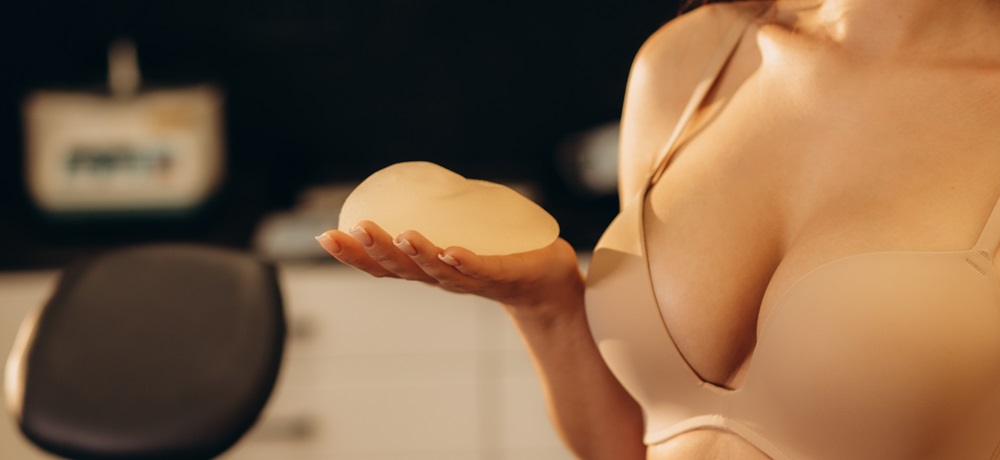
Choosing the right breast implants is one of the most important decisions you’ll make during your breast augmentation journey. Beyond selecting the size and type of implant, understanding implant profiles is crucial to achieving your desired aesthetic outcome. The profile of an implant refers to how much it projects forward from the chest wall, and this choice can dramatically affect your final appearance.In this comprehensive guide, we’ll explore the differences between high profile and low profile breast implants, helping you make an informed decision that aligns with your body type, lifestyle, and aesthetic goals.Understanding Breast Implant ProfilesBreast implant profile describes the relationship between the base width of the implant and how far it projects from the chest wall. For any given volume, manufacturers can create implants with different profiles by adjusting the base diameter and projection.Generally, implant profiles fall into these categories:Low profile: Wider base, less forward projectionModerate profile: Balanced base width and projectionModerate plus profile: Slightly more projection than moderateHigh profile: Narrower base, greater forward projectionUltra-high profile: Very narrow base, maximum projectionThe choice between these profiles affects not only how your breasts look but also how they feel and how they suit your natural body proportions.What Are Low Profile Breast Implants?Low profile implants have a wider base diameter and project less prominently from the chest wall. They’re designed to create a more natural, subtle enhancement that spreads the volume across a broader area of the chest.Characteristics of Low Profile ImplantsLow profile implants offer a gentle slope and gradual curve, creating a softer, more natural-looking breast shape. The wider base means the implant sits flatter against the chest, resulting in less upper pole fullness and a more tapered appearance towards the top of the breast.These implants are particularly well-suited for women with wider chest walls or those who naturally have a broader breast base. The wider footprint allows the implant to fill the existing breast tissue more naturally without creating an overly rounded or projected appearance.Who Should Consider Low Profile Implants?Low profile implants are an excellent choice for several patient types. Women with naturally wide-set breasts often find that low profile implants complement their anatomy beautifully, as the wider base matches their natural breast footprint. Those seeking subtle enhancement rather than dramatic transformation typically appreciate the natural-looking results that low profile implants provide.Additionally, women with adequate breast tissue coverage often benefit from low profile implants, as they can achieve beautiful results without the implant being too obvious. Athletes and very active women frequently prefer the lower projection, which can feel more comfortable during physical activities and sports.What Are High Profile Breast Implants?High profile implants feature a narrower base width with significantly more forward projection. They’re designed for women who want more dramatic upper pole fullness and a rounder, more prominent breast shape.Characteristics of High Profile ImplantsHigh profile implants create a more pronounced, rounded appearance with enhanced upper pole fullness. The narrower base concentrates the volume in a smaller area, pushing the breast tissue forward more noticeably. This results in more cleavage and a fuller, more prominent breast contour.The increased projection means these implants stand out more from the chest wall, creating what many consider a more dramatic, glamorous look. They’re particularly effective at creating visible cleavage, even in women who naturally have wider-set breasts.Who Should Consider High Profile Implants?High profile implants are ideal for several specific situations. Women with narrow chest walls or a petite frame often find that high profile implants suit their anatomy better, as the narrower base fits their natural proportions whilst providing adequate volume. Those desiring significant upper pole fullness and cleavage typically achieve their goals more effectively with high profile options.Patients with minimal natural breast tissue may benefit from the added projection that high profile implants provide, creating a more noticeable enhancement. Additionally, women seeking a more dramatic, eye-catching result often prefer the pronounced appearance that high profile implants deliver.Key Differences Between High and Low Profile ImplantsProjection and ShapeThe most obvious difference lies in how far the implants project from the chest. Low profile implants create a gentle, sloping curve that mimics natural breast tissue, whilst high profile implants produce a rounder, more projected shape with enhanced fullness at the top of the breast.Base WidthLow profile implants have a wider diameter, making them suitable for women with broader chests or wider-set breasts. High profile implants feature a narrower base, which works well for women with narrower frames or those who want to achieve more cleavage.Natural vs Dramatic AppearanceLow profile implants typically look more natural and subtle, often making it difficult to tell that augmentation has been performed. High profile implants create a more obvious enhancement with a fuller, rounder appearance that’s more distinctly augmented.Cleavage CreationHigh profile implants excel at creating cleavage, even in women with naturally wide-set breasts, due to their concentrated projection. Low profile implants provide more modest cleavage, maintaining a more natural spacing between the breasts.Factors to Consider When Choosing Your ProfileYour Natural AnatomyYour chest width and existing breast base diameter are crucial considerations. Your surgeon will measure your chest wall width to determine which implant base will fit your anatomy properly. Choosing an implant that’s too wide for your frame can lead to complications, whilst one that’s too narrow may not achieve your desired fullness.The amount of natural breast tissue you have also influences your choice. Women with more existing tissue may achieve beautiful results with lower profiles, whilst those with minimal tissue might need higher profiles to achieve their goals.Your Aesthetic GoalsConsider what look you’re hoping to achieve. If you want a subtle enhancement that looks entirely natural, low or moderate profiles typically work best. If you’re seeking a more dramatic transformation with obvious upper pole fullness, high or ultra-high profiles may be more appropriate.Think about the importance of cleavage in your desired outcome. High profile implants are more effective at creating pronounced cleavage, whilst low profile implants maintain a more natural breast spacing.Your Lifestyle and ActivitiesYour daily activities and exercise routine should influence your decision. Very active women or athletes often find lower profiles more comfortable during physical activity. The reduced projection can feel less restrictive during exercise and may be less noticeable under athletic wear.Consider your wardrobe preferences as well. High profile implants create more dramatic curves that can enhance certain clothing styles, whilst low profile implants offer versatility across different fashion choices.Body Proportions and FrameYour overall body proportions play a significant role in determining the most flattering implant profile. Petite women with narrow frames often look most proportionate with high profile implants, as the narrower base suits their build whilst providing adequate volume.Taller women or those with broader frames may find that low or moderate profiles create better overall balance. The wider base distributes volume in a way that complements broader body structures.The Consultation ProcessDuring your consultation at Linia Cosmetic Surgery, your surgeon will conduct a thorough assessment of your anatomy, including precise measurements of your chest width, breast base diameter, and existing tissue. This information is essential for recommending the appropriate implant profile.Your surgeon will discuss your aesthetic goals in detail, using imaging technology and sizing tools to help you visualise how different profiles might look on your frame. This collaborative process ensures you understand the implications of your choice and feel confident in your decision.Be prepared to try on different implant sizers during your consultation. This hands-on experience allows you to see and feel how various profiles look in clothing, giving you practical insight into your final results.Can You Combine Different Profiles?In some cases, surgeons may recommend using different profiles for each breast to address asymmetry or achieve optimal balance. This approach, whilst less common, can be effective for women with notable differences in their natural breast anatomy.However, most patients achieve their best results with matching profiles on both sides, as this creates symmetry and balance in the final outcome.Recovery ConsiderationsRecovery experiences are generally similar regardless of implant profile, though some patients report that high profile implants feel more noticeable initially due to their increased projection. The adjustment period as you become accustomed to your new breast shape may vary slightly based on profile choice.Both high and low profile implants settle into their final position over several months following surgery. High profile implants may take slightly longer to achieve their final appearance, particularly in terms of upper pole softening.Long-term Results and SatisfactionStudies show high satisfaction rates across all implant profiles when patients choose appropriately for their anatomy and goals. The key to long-term satisfaction lies in selecting a profile that matches your body type, lifestyle, and aesthetic preferences.Regular follow-up appointments with your surgeon ensure your implants continue to look and feel their best. Regardless of profile, modern implants are designed to provide beautiful, long-lasting results when properly selected and placed.
January 15, 2026 Body Treatments Blogs

A detailed and comprehensive guide to revision breast augmentation, covering causes, surgical options, risks, and long-term results.

Breast augmentation remains one of the most popular cosmetic procedures worldwide, offering transformative results for countless patients. However, like any surgical intervention, breast implants are not designed to last forever, and circumstances may arise that necessitate a secondary procedure. Revision breast augmentation, also known as breast implant revision surgery, addresses complications, aesthetic concerns, or changes that occur after an initial breast augmentation.Understanding when and why revision surgery might be needed is essential for anyone considering or who has already undergone breast augmentation. This comprehensive guide explores the various reasons patients seek revision procedures, the signs that indicate you might need one, and what to expect from the process.What Is Revision Breast Augmentation?Revision breast augmentation is a surgical procedure performed to correct or improve the results of a previous breast augmentation. This may involve replacing existing implants, removing implants entirely, correcting complications, or addressing aesthetic concerns that have developed over time.Unlike primary breast augmentation, revision surgery is often more complex. The presence of scar tissue, changes to the breast pocket, and the condition of existing implants all present unique challenges that require an experienced surgeon’s expertise.Common Reasons for Revision Breast AugmentationCapsular ContractureCapsular contracture is one of the most common reasons patients seek revision surgery. When breast implants are placed, the body naturally forms a capsule of scar tissue around them. In some cases, this capsule becomes thick and tight, causing the breast to feel hard, look distorted, or cause discomfort.Capsular contracture is graded on the Baker scale from I to IV, with grades III and IV typically requiring surgical intervention. The exact cause remains unclear, though factors such as infection, bleeding, and implant rupture may contribute to its development.Implant Rupture or LeakageBreast implants, whether saline or silicone, can rupture or leak over time. Saline implant ruptures are immediately obvious as the breast deflates visibly within hours. Silicone implant ruptures, however, can be “silent,” meaning they may not produce obvious symptoms and can only be detected through imaging such as MRI or ultrasound.Modern silicone implants use cohesive gel that tends to hold its shape even when the implant shell is compromised, but removal and replacement are still necessary to prevent potential complications and restore breast appearance.Aesthetic DissatisfactionSometimes patients are unhappy with the aesthetic outcome of their initial surgery. This might include concerns about implant size, shape, position, or symmetry. Preferences and body changes can evolve, and what seemed ideal initially may no longer align with a patient’s aesthetic goals.Common aesthetic concerns include implants that appear too large or too small, asymmetry between breasts, implants positioned too high or too low, or an unnatural appearance that doesn’t suit the patient’s body frame.Implant MalpositionImplant malposition occurs when implants shift from their intended position. This can manifest as bottoming out (where implants drop too low), lateral displacement (moving toward the armpits), symmastia (implants touching in the middle), or double bubble deformity (a visible demarcation line on the breast).These issues can result from surgical technique, tissue characteristics, implant weight, or post-operative complications. Revision surgery can reposition the implants and reinforce the breast pocket to prevent recurrence.Changes in Breast Appearance Over TimeNatural aging, pregnancy, breastfeeding, weight fluctuations, and gravity all affect breast tissue over time. These changes can alter how implants sit within the breast, potentially creating an aged or unnatural appearance. Some patients find that their breasts lose volume in the upper pole, creating a more obvious implant outline.Revision surgery can address these changes by replacing implants, adding or removing volume, performing a breast lift, or adjusting implant placement to restore a youthful, natural appearance.Rippling and WrinklingImplant rippling occurs when folds or wrinkles in the implant shell become visible or palpable through the skin. This is more common in patients with thin breast tissue, those with saline implants, and when implants are placed above the muscle.While some degree of rippling may be normal, particularly at the edges of the breast, excessive rippling can be aesthetically concerning. Revision options include changing to textured implants, switching implant placement from above to below the muscle, or using fat grafting to provide additional tissue coverage.Breast Implant IllnessThough controversial and not universally recognized in the medical community, some patients report experiencing a constellation of symptoms they attribute to their breast implants, collectively termed breast implant illness (BII). Reported symptoms include fatigue, joint pain, brain fog, and autoimmune-like symptoms.Patients concerned about BII may opt for implant removal with or without replacement (explantation). While scientific evidence linking implants to these symptoms remains inconclusive, patient concerns are valid and should be addressed through informed consultation.Signs You May Need Revision SurgeryRecognising when revision surgery is necessary can help prevent complications and ensure optimal outcomes. Consider consulting with a plastic surgeon if you experience:Visible changes in breast shape, size, or positionHardening of one or both breastsPersistent pain or discomfortVisible rippling or wrinklingObvious asymmetry between breastsA deflated appearance in one breastSuspected implant ruptureDissatisfaction with your aesthetic resultsRegular monitoring through self-examination and scheduled follow-ups with your surgeon helps identify potential issues early.The Revision Breast Augmentation ProcessInitial ConsultationYour revision journey begins with a comprehensive consultation. Your surgeon will review your surgical history, examine your breasts, discuss your concerns and goals, and may order imaging studies to assess implant condition and tissue quality.This consultation is crucial for developing a personalised surgical plan that addresses your specific needs, whether that involves implant replacement, size change, pocket adjustment, or additional procedures such as a breast lift.Surgical TechniquesRevision breast augmentation techniques vary based on individual circumstances. The procedure may involve removing the existing capsule (capsulectomy), creating a new implant pocket, changing implant type or size, repositioning implants, or combining the revision with a breast lift or fat grafting.The surgery typically takes longer than primary augmentation due to its complexity and is usually performed under general anaesthesia. Your surgeon will discuss the most appropriate approach for your situation.Recovery and ResultsRecovery from revision surgery is generally similar to initial breast augmentation but may require additional healing time due to the complexity of the procedure. Most patients return to light activities within a week and resume full activities within four to six weeks.Final results become apparent as swelling subsides and tissues settle, typically within several months. Following post-operative instructions carefully and attending all follow-up appointments ensures optimal healing and outcomes.Choosing the Right Surgeon for Revision SurgeryRevision breast augmentation requires advanced surgical skills and extensive experience. When selecting a surgeon, look for board certification, specific experience in revision procedures, before-and-after photos of revision cases, and patient testimonials.A thorough consultation where your concerns are heard and addressed is essential. Your surgeon should provide honest assessments, discuss realistic expectations, and outline all available options to help you make an informed decision.Preventing the Need for Future RevisionsWhile not all complications can be prevented, certain measures can help extend the life of your breast implants and reduce the likelihood of needing revision surgery:Choose an experienced, qualified surgeon for your initial procedureFollow all post-operative instructions carefullyAttend regular follow-up appointmentsMaintain a stable weightWear proper support during exerciseMonitor your breasts through self-examinationReport any concerns to your surgeon promptlyUnderstanding that breast implants are not lifetime devices and may require replacement or revision at some point helps set realistic expectations.Frequently Asked QuestionsHow long do breast implants typically last?Breast implants are not considered lifetime devices. While many patients have their implants for 10-20 years without issues, manufacturers generally recommend monitoring and potentially replacing implants every 10-15 years. However, some implants may need replacement sooner due to complications, while others may last longer.Is revision breast augmentation more painful than the initial procedure?Pain levels vary between individuals, but revision surgery is generally comparable to or slightly more uncomfortable than initial augmentation due to the presence of scar tissue and increased surgical complexity. Your surgeon will provide appropriate pain management strategies to ensure your comfort during recovery.Will my breasts look natural after revision surgery?With an experienced surgeon, revision breast augmentation can achieve natural-looking results that address your concerns from the initial procedure. The outcome depends on factors including tissue quality, implant selection, surgical technique, and your individual anatomy. Discuss your aesthetic goals thoroughly during consultation.How much does revision breast augmentation cost?The cost of revision surgery varies based on the complexity of the procedure, geographical location, and surgeon expertise. Revision procedures are typically more expensive than primary augmentation due to increased surgical time and complexity. During your consultation, you’ll receive a detailed cost breakdown specific to your needs.Can I change my implant size during revision surgery?Yes, many patients choose to change implant size during revision surgery, either increasing or decreasing volume. Your surgeon will help you select an appropriate size based on your goals, body proportions, and tissue characteristics. Some patients opt to remove implants entirely without replacement.How soon can I have revision surgery after my initial augmentation?The timing depends on your specific situation. For complications requiring urgent attention, revision may be performed sooner. For elective revisions based on aesthetic preferences, surgeons typically recommend waiting at least six months to a year after initial surgery to allow complete healing and tissue settling.Will revision surgery leave more scars?Surgeons often use existing scars when possible to minimise additional scarring. While revision surgery may result in some new or extended scars, experienced surgeons employ techniques to keep scarring minimal and strategically placed. Proper wound care and following post-operative instructions help optimise scar healing.
December 24, 2025 Body Treatments Blogs

A Complete Look at How Anchor Incision Breast Reduction Transforms Your Breasts

For women experiencing physical discomfort and lifestyle limitations due to overly large breasts, anchor incision breast reduction offers a proven surgical solution. This procedure, also known as the inverted-T or Wise pattern technique, remains one of the most established and effective methods for achieving significant breast size reduction whilst maintaining an aesthetically pleasing shape.What Is Anchor Incision Breast Reduction?The anchor incision breast reduction technique derives its name from the distinctive incision pattern used during surgery. The incision resembles an anchor shape, comprising three components: a circular incision around the areola, a vertical line extending downward from the areola to the breast crease, and a horizontal incision along the inframammary fold (the natural crease beneath the breast).This comprehensive incision pattern provides surgeons with optimal access to breast tissue, allowing for substantial reduction in breast volume whilst facilitating precise reshaping and repositioning of the nipple-areola complex to a more youthful, elevated position.Who Is a Suitable Candidate?Anchor incision breast reduction is typically recommended for women experiencing:Significantly large or heavy breasts causing physical symptoms such as back pain, neck pain, shoulder grooving from bra straps, or postural problems that affect daily life and comfort.Considerable breast ptosis (sagging) requiring extensive reshaping to restore a more youthful and elevated breast position.Breast asymmetry where one side is noticeably larger than the other, creating difficulties with clothing fit and aesthetic balance.Skin irritation or rashes that develop beneath the breasts due to moisture and friction in the inframammary fold.Lifestyle limitations including difficulty finding properly fitting clothing, bras, or participating comfortably in physical activities and sports.Emotional distress or self-consciousness related to breast size that impacts confidence and quality of life.Beyond these symptoms, ideal candidates are in good general health, maintain realistic expectations about surgical outcomes, and have completed breast development. Patients should be non-smokers or willing to cease smoking well in advance of surgery, as smoking significantly impairs healing.The Surgical ProcedureAnchor incision breast reduction is performed under general anaesthetic and typically takes between two to four hours, depending on the extent of reduction required. During the procedure, the surgeon removes excess breast tissue, fat, and skin whilst carefully preserving the blood supply and nerve connections to the nipple-areola complex.The nipple and areola are repositioned to a higher, more aesthetically proportionate location on the newly shaped breast. In cases of extreme reduction, the nipple may need to be completely removed and grafted into its new position, though this is relatively uncommon with modern surgical techniques.Once the desired breast shape and size are achieved, the incisions are meticulously closed with sutures, and surgical drains may be temporarily placed to prevent fluid accumulation during the initial healing phase.Recovery and AftercareFollowing surgery, patients can expect some swelling, bruising, and discomfort, which can be managed effectively with prescribed pain medication. A surgical bra or compression garment will need to be worn continuously for several weeks to support the healing tissues and help maintain the new breast shape.Most patients can return to light, non-strenuous activities within one to two weeks, though vigorous exercise and heavy lifting should be avoided for at least four to six weeks. Scarring is an inevitable consequence of this technique, but incision lines are strategically placed to be concealed by most bras and swimwear. Whilst scars will be prominent initially, they typically fade considerably over the following 12 to 18 months.Regular follow-up appointments with your surgeon are essential to monitor healing progress and address any concerns that may arise during recovery.Benefits of the Anchor Incision TechniqueThe anchor incision approach offers several distinct advantages, particularly for patients requiring substantial reduction:Significant tissue removal allowing surgeons to address very large breasts whilst achieving excellent breast shaping, symmetry, and proportionate results.Superior control over nipple repositioning enabling precise placement of the nipple-areola complex at an aesthetically ideal location on the newly shaped breast.Highly effective for severe ptosis correction providing the structural support needed to lift and reshape breasts with considerable sagging.Dramatic relief from physical symptoms including chronic back pain, neck pain, shoulder grooving, and postural problems that have impacted daily comfort and mobility.Enhanced physical capability with improved ability to participate in sports, exercise, and physical activities that were previously difficult or uncomfortable.Better clothing fit making it easier to find properly fitting bras, tops, and dresses without the need for extensive alterations.Considerable psychological benefits including improved self-confidence, body image, and overall quality of life following the transformation.Long-lasting results with the anchor technique providing stable, enduring outcomes that maintain their shape and position over time.Potential Risks and ConsiderationsAs with any surgical procedure, anchor incision breast reduction carries certain risks. These may include adverse reactions to anaesthesia, infection, bleeding, changes in nipple or breast sensation, difficulty with breastfeeding, asymmetry, or dissatisfaction with cosmetic results.The most significant consideration for many patients is scarring. The anchor incision technique produces more extensive scarring compared to minimal-incision alternatives. However, for women with very large breasts or significant sagging, this approach often provides the most effective and long-lasting results.Choosing an experienced, qualified plastic surgeon who is registered with the General Medical Council and a member of professional organisations such as the British Association of Plastic, Reconstructive and Aesthetic Surgeons (BAPRAS) is crucial for minimising risks and achieving optimal outcomes.Is Anchor Incision Breast Reduction Right for You?If oversized breasts are negatively impacting your quality of life, physical health, or emotional wellbeing, anchor incision breast reduction may provide the transformative solution you’re seeking. The first step is scheduling a comprehensive consultation with a qualified plastic surgeon who can assess your individual anatomy, discuss your goals and concerns, and recommend the most appropriate surgical approach for your specific needs.During this consultation, you’ll have the opportunity to view before-and-after photographs of previous patients, ask detailed questions about the procedure and recovery process, and develop realistic expectations about the results you can achieve.Living with overly large breasts need not be a permanent burden. With anchor incision breast reduction, you can look forward to a more comfortable, active, and confident future in a body that feels proportionate and suits your lifestyle.
December 18, 2025 Body Treatments Blogs

Understand the Differences Between Teardrop and Round Breast Implants, Their Pros and Cons, and What to Expect from Surgery

Choosing breast implants is one of the most significant decisions you’ll make during your breast augmentation journey. At Linia Cosmetic Surgery, we understand that selecting between teardrop and round breast implants can feel overwhelming, especially when both options offer beautiful results. This comprehensive guide will help you understand the key differences, advantages, and considerations for each implant shape, empowering you to make an informed choice that aligns with your aesthetic goals.Understanding Breast Implant ShapesBefore diving into the specifics of each implant type, it’s essential to understand what distinguishes teardrop implants from round ones. The shape of your breast implant fundamentally affects the final appearance of your augmentation, influencing everything from cleavage definition to the natural slope of your breast profile.Round Breast ImplantsRound breast implants are exactly as their name suggests: circular in shape when viewed from the front. These implants have been the gold standard in breast augmentation for decades and remain the most popular choice amongst patients in the UK and worldwide. Round implants are symmetrical, meaning they have the same shape regardless of how they’re positioned within the breast pocket.The key characteristic of round implants is their uniform distribution of volume. They provide fullness throughout the entire breast, with particular emphasis on the upper pole (the area above the nipple). This creates a rounder, fuller appearance that many patients associate with the classic augmented breast look.Teardrop (Anatomical) Breast ImplantsTeardrop implants, also known as anatomical or shaped implants, are designed to mimic the natural slope of a breast. They have more volume concentrated in the lower portion of the implant, gradually tapering towards the top. This creates a contour that resembles a teardrop, hence the name.These implants are asymmetrical, which means they have a definite orientation. The base is fuller than the top, creating a more subtle, natural-looking slope from the chest wall to the nipple. Anatomical implants were specifically developed to provide a result that closely resembles the appearance of natural breast tissue.The Pros and Cons of Round Breast ImplantsAdvantages of Round ImplantsEnhanced Upper Pole FullnessRound implants excel at creating noticeable fullness in the upper portion of the breast. This characteristic makes them ideal for patients who desire more prominent cleavage or wish to fill out low-cut tops and dresses. The added volume in the upper breast creates that coveted “pushed up” appearance that many patients seek.Versatility in ResultsOne of the most significant advantages of round implants is their versatility. Because they’re symmetrical, there’s no risk of rotation affecting your results. If a round implant shifts slightly within the breast pocket, your breast appearance remains unchanged. This reliability makes round implants an excellent choice for various body types and aesthetic goals.Lower CostGenerally speaking, round breast implants tend to be more affordable than their anatomical counterparts. The manufacturing process for round implants is more straightforward, and because they’ve been available longer, they’re typically less expensive. This cost difference can be significant, making breast augmentation more accessible to a broader range of patients.Proven Track RecordRound implants have been used successfully for several decades, providing surgeons and patients with extensive data on their safety, longevity, and outcomes. This long history means that potential complications are well-understood, and surgical techniques have been refined to optimise results.Excellent for Addressing Significant Volume LossIf you’ve experienced substantial volume loss due to pregnancy, breastfeeding, or weight fluctuations, round implants can provide the dramatic transformation you’re seeking. Their uniform fullness effectively restores breast volume and creates a youthful, lifted appearance.Better Cleavage DefinitionFor patients prioritising cleavage, round implants typically deliver superior results. The fullness they provide in the inner breast area creates more noticeable cleavage, particularly in fitted clothing or swimwear.Disadvantages of Round ImplantsLess Natural Appearance in Some CasesDepending on your body type and the size you choose, round implants may create a more obviously augmented look. The upper pole fullness, whilst desirable for some, can appear less natural than anatomical implants, particularly when you’re lying down or bending forward.Potential for Visible Upper EdgeIn women with minimal natural breast tissue or very thin skin, the upper edge of a round implant may be visible or palpable, especially when the implant is placed above the muscle. This is less common with submuscular placement but remains a consideration.May Not Suit All Body TypesIf you have a very athletic build with minimal body fat or existing breast tissue, round implants might not provide the seamless, natural-looking result you’re hoping for. In these cases, the uniform fullness can appear disproportionate to your frame.The Pros and Cons of Teardrop Breast ImplantsAdvantages of Anatomical ImplantsNatural-Looking ResultsThe primary advantage of teardrop implants is their ability to create exceptionally natural-looking results. The graduated fullness mimics the way natural breast tissue distributes within the breast envelope, creating a subtle slope that appears organic rather than obviously augmented.Ideal for ReconstructionTeardrop implants are frequently chosen for breast reconstruction following mastectomy or lumpectomy. Their anatomical shape helps recreate the natural breast contour, providing a result that closely resembles the patient’s pre-surgery appearance.Better for Minimal Existing TissueIf you have very little natural breast tissue, anatomical implants often integrate more seamlessly with your body. The graduated shape creates a more convincing illusion of natural breast tissue, even when there’s minimal coverage.Reduced Upper Pole FullnessFor patients who prefer a more understated augmentation, the reduced upper pole fullness of teardrop implants offers a subtle enhancement. This creates a “naturally fuller” appearance rather than an obviously augmented look.Improved Lower Pole ProjectionThe concentration of volume in the lower portion of the implant creates beautiful lower pole projection. This characteristic is particularly beneficial for patients with mild to moderate ptosis (sagging) who want to restore a more youthful breast position without a lift.Customisable Projection OptionsAnatomical implants are available in various projection profiles, allowing your surgeon to customise your results precisely. This level of customisation enables a highly tailored outcome that complements your unique body shape and proportions.Disadvantages of Anatomical ImplantsRisk of RotationThe most significant drawback of teardrop implants is the risk of rotation. Because these implants have a definite orientation, if they rotate within the breast pocket, your breast shape will be distorted. Whilst modern surgical techniques and textured surfaces have reduced this risk, it remains a consideration.Textured Surface RequirementsTo prevent rotation, teardrop implants typically have a textured surface that encourages tissue adhesion. Whilst this helps maintain implant position, textured implants have been associated with a slightly higher risk of certain complications, including a rare condition called breast implant-associated anaplastic large cell lymphoma (BIA-ALCL). It’s important to note that this risk remains extremely low, but it’s something your surgeon will discuss with you during consultation.Higher CostAnatomical implants are generally more expensive than round implants. The more complex manufacturing process and newer technology contribute to this price difference, which can add several hundred to over a thousand pounds to your procedure cost.More Complex SurgeryPlacing teardrop implants requires greater surgical precision. Your surgeon must create a pocket that perfectly matches the implant dimensions and ensure proper orientation. This typically extends the surgery time slightly and requires significant surgical expertise.Less Upper Pole FullnessIf you’re hoping for noticeable cleavage and upper breast fullness, anatomical implants may not deliver the dramatic results you’re seeking. Their natural slope means less volume in the upper breast area.FirmnessTeardrop implants are filled with a cohesive silicone gel that maintains the implant’s shape. Whilst this is beneficial for creating the anatomical form, some patients find these implants feel slightly firmer than round implants, particularly soft round silicone implants.Factors to Consider When Choosing Between Teardrop and Round ImplantsYour Aesthetic GoalsYour desired outcome is the most crucial factor in choosing between implant shapes. Ask yourself what you’re hoping to achieve with breast augmentation. Are you seeking a dramatic, noticeably enhanced look with prominent cleavage? Round implants are likely your best option. Alternatively, if you want results that look like natural, fuller breasts without obvious signs of augmentation, anatomical implants may be more suitable.Consider how you want your breasts to appear in various situations: whilst wearing clothing, in swimwear, during intimate moments, and during physical activities. Think about whether you prefer a more glamorous, augmented aesthetic or a subtle, natural enhancement.Your Body Type and FrameYour existing body proportions significantly influence which implant shape will provide the most harmonious results. Women with broader shoulders and a more athletic build often find that round implants create better balance and proportion. Conversely, petite women or those with a slender frame might find anatomical implants integrate more naturally with their physique.Your chest wall dimensions also matter. A wider chest wall can accommodate round implants beautifully, whilst a narrower chest might benefit from the tailored dimensions available with anatomical implants.Existing Breast TissueThe amount of natural breast tissue you currently have affects how different implant shapes will appear and feel. Women with minimal breast tissue often achieve more natural-looking results with anatomical implants because the graduated shape compensates for the lack of natural tissue coverage.If you have moderate to substantial existing breast tissue, round implants typically integrate well, with your natural tissue providing coverage that softens the implant contours.Breast DimensionsYour natural breast dimensions, including width, height, and projection, influence which implant shape will suit you best. During your consultation at Linia Cosmetic Surgery, your surgeon will take precise measurements to determine which implant dimensions will achieve your goals whilst maintaining proper proportion.Skin ElasticitySkin elasticity affects how well your breast tissue will adapt to and cover your implants. Good skin elasticity generally provides better results with either implant type, whilst reduced elasticity might make implant edges more visible, particularly with round implants.Previous Surgeries or Medical HistoryIf you’ve had previous breast surgery, radiation therapy, or certain medical conditions affecting your breast tissue, this may influence which implant type is most appropriate. Your surgeon will carefully evaluate your medical history to make personalised recommendations.Lifestyle ConsiderationsYour activity level and lifestyle should factor into your decision. Very active individuals who participate in high-impact sports might prefer round implants due to their lower rotation risk. However, if you prioritise a natural appearance in athletic wear, anatomical implants might be preferable.BudgetWhilst cost shouldn’t be the sole determining factor, it’s a practical consideration. If budget constraints are significant, round implants offer excellent results at a lower price point. However, if achieving the most natural-looking results is your priority and budget allows, the investment in anatomical implants may be worthwhile.What to Expect: The Consultation ProcessAt Linia Cosmetic Surgery, your journey begins with a comprehensive consultation. Your surgeon will discuss your goals in detail, examine your breast anatomy, and explain which implant options are most suitable for your unique situation.During this appointment, you’ll have the opportunity to view before-and-after photographs of previous patients with similar body types, try on different sizes using sizers, and ask any questions about the procedure, recovery, and long-term outcomes.Your surgeon will take detailed measurements and may use 3D imaging technology to help you visualise potential results with different implant shapes and sizes. This collaborative process ensures that your final choice aligns perfectly with your expectations and anatomical considerations.The Surgical ProcedureRegardless of which implant shape you choose, the basic surgical approach for breast augmentation remains similar. The procedure typically takes between one to two hours under general anaesthesia.Your surgeon will make an incision in one of several possible locations: the inframammary fold (under the breast), periareolar (around the nipple), or transaxillary (in the armpit). The choice of incision location depends on various factors, including your anatomy, implant type, and personal preferences.The implant pocket can be created either above the pectoral muscle (subglandular) or beneath it (submuscular). Submuscular placement typically provides more natural-looking results with better tissue coverage, particularly for women with minimal natural breast tissue.For teardrop implants, your surgeon takes extra care to ensure proper orientation and creates a pocket that precisely matches the implant dimensions to minimise rotation risk.Recovery and ResultsRecovery from breast augmentation is similar whether you choose round or teardrop implants. You can expect some swelling, bruising, and discomfort during the first week, which gradually subsides over the following weeks.Most patients return to desk work within five to seven days, though you’ll need to avoid strenuous activities and heavy lifting for four to six weeks. Your breasts will initially appear higher and firmer than your final result, settling into their permanent position over three to six months.With teardrop implants, it’s particularly important to follow all post-operative instructions carefully to minimise any risk of implant rotation during the healing process. Your surgeon will schedule regular follow-up appointments to monitor your progress and ensure optimal healing.Long-Term ConsiderationsBoth round and teardrop implants are designed to be long-lasting, though they’re not considered lifetime devices. You may eventually need revision surgery to replace your implants, typically after ten to twenty years, depending on various factors.Regular monitoring is essential for all breast implant patients. We recommend annual check-ups and, for silicone implants, periodic MRI scans to ensure implant integrity.Making Your DecisionThere’s no universally “better” choice between teardrop and round breast implants. The optimal option depends on your unique anatomy, aesthetic preferences, lifestyle, and goals. Some key points to remember:Round implants offer versatility, reliability, enhanced cleavage, and proven results at a lower cost. They’re excellent for patients seeking noticeable upper pole fullness and obvious augmentation.Teardrop implants provide natural-looking results with graduated fullness that mimics natural breast tissue. They’re ideal for patients prioritising subtlety and those with minimal existing breast tissue.
December 18, 2025 Body Treatments Blogs

Discover the Differences Between Saline and Silicone Breast Implants to Choose the Best Option for You

Breast augmentation remains one of the most popular cosmetic procedures worldwide, and for good reason. It can enhance your confidence, restore volume lost after pregnancy or weight loss, and help you achieve the body proportions you’ve always desired. However, one of the most crucial decisions you’ll face is choosing between saline and silicone breast implants.At Linia Cosmetic Surgery, we believe that informed patients make the best decisions. This comprehensive guide will walk you through everything you need to know about both implant types, helping you make the choice that’s perfectly suited to your body, lifestyle, and aesthetic goals.Understanding Breast Implants: The BasicsBefore diving into the specifics of saline versus silicone, it’s important to understand what breast implants are and how they work.Breast implants are medical devices designed to enhance or reconstruct the breast. They consist of an outer silicone shell (in both saline and silicone implants) and an inner filling material. The implants can be placed either above or below the chest muscle, depending on your anatomy and desired results.Modern breast implants have come a long way since their introduction. Today’s implants are safer, more natural-looking, and designed with advanced technology to provide long-lasting, beautiful results.Saline Breast Implants: In-Depth AnalysisWhat Are Saline Implants?Saline breast implants feature a solid silicone elastomer shell that is filled with sterile saline solution (salt water) during the surgical procedure. This filling can be adjusted during surgery, allowing your surgeon to fine-tune the size and achieve optimal symmetry.The Complete Advantages of Saline ImplantsSmaller Surgical Incisions: Since saline implants are inserted empty and filled once in position, they require smaller incisions—typically around 3-4 cm. This means less scarring and potentially faster healing. The incision can be made in less conspicuous locations, such as under the breast, around the areola, or even through the belly button.Immediate Rupture Detection: One of the most significant advantages of saline implants is that if they rupture or leak, you’ll know immediately. The breast will noticeably deflate over a few hours or days as your body safely absorbs the harmless saline solution. This eliminates the need for routine imaging to check implant integrity.Safety Profile: The sterile saline solution is identical to the fluid that makes up much of your body. If a rupture occurs, there are no health risks associated with the saline being absorbed into your body—it’s simply processed and eliminated naturally.Cost-Effectiveness: Saline implants are generally more affordable than silicone implants, making breast augmentation more accessible to a wider range of patients without compromising safety or satisfaction.Adjustability: During surgery, your surgeon can fine-tune the amount of saline in each implant to achieve perfect symmetry, which is particularly beneficial if you have natural breast asymmetry.Age Requirements: Saline implants are approved for cosmetic breast augmentation in women aged 18 and older, making them an option for younger patients seeking enhancement.Considerations and Potential DrawbacksTexture and Feel: Saline implants tend to feel firmer and less natural than silicone implants. Some patients describe them as feeling more like a water balloon, particularly when lying down. This is most noticeable in women with minimal natural breast tissue.Rippling and Wrinkling: Saline implants have a higher risk of visible rippling or wrinkling, especially in thin patients or those with little breast tissue coverage. These ripples may be visible through the skin or palpable when touching the breast.Weight and Movement: Some patients report that saline implants feel heavier and may move differently than natural breast tissue, particularly with physical activity.Aesthetic Results: In very slim patients or those seeking a very natural look, saline implants may not provide the same aesthetic outcome as silicone, particularly in the upper pole of the breast.Silicone Breast Implants: Comprehensive OverviewWhat Are Silicone Implants?Silicone breast implants consist of a silicone outer shell filled with a cohesive silicone gel. The gel comes in various consistencies, from softer to more form-stable (often called “gummy bear” implants). These implants are pre-filled by the manufacturer and come in a wide range of sizes, shapes, and profiles.The Complete Advantages of Silicone ImplantsSuperior Natural Feel: The cohesive silicone gel closely mimics the density and movement of natural breast tissue. Most patients and surgeons agree that silicone implants provide the most natural feel, making them virtually indistinguishable from natural breasts to the touch.Natural Appearance: Silicone implants typically create a more natural breast contour with smoother transitions and better upper pole fullness. They move more naturally with body movement and in different positions.Reduced Rippling: The cohesive gel significantly reduces the risk of visible rippling or wrinkling, even in patients with minimal natural breast tissue or very low body fat percentages.Variety of Options: Silicone implants come in numerous shapes (round or anatomical/teardrop), profiles (low, moderate, high), and gel consistencies, allowing for highly customised results tailored to your specific anatomy and goals.Form-Stable Options: Modern cohesive gel implants, particularly “gummy bear” implants, maintain their shape even if the shell is compromised. This form-stability provides consistent, long-lasting results.Better Results for Thin Patients: For patients with minimal breast tissue, silicone implants often provide superior aesthetic outcomes with a more natural appearance.Considerations and Potential DrawbacksLarger Incisions Required: Because silicone implants are pre-filled, they require slightly larger incisions for insertion. However, skilled surgeons can still place these incisions in discreet locations to minimize visible scarring.Silent Rupture: If a silicone implant ruptures, the cohesive gel typically remains within the implant shell or the surrounding scar tissue capsule. This “silent rupture” may not be immediately noticeable, which is why regular monitoring is recommended.Monitoring Requirements: Medical guidelines suggest periodic MRI or ultrasound examinations (typically every few years) to check the integrity of silicone implants. This adds to the long-term maintenance requirements and associated costs.Higher Initial Cost: Silicone implants are more expensive than saline options, though the exact price difference varies.Age Restrictions: In some jurisdictions, silicone gel implants for cosmetic augmentation are approved for women aged 22 and older, though this varies by country and regulatory body.Rupture Management: If rupture is detected, the implant should be removed or replaced, and sometimes the surrounding capsule needs to be removed as well, which can be a more involved procedure than with saline.The Evolution of Breast Implant TechnologyUnderstanding the history and evolution of breast implant technology can provide valuable context for your decision.The first silicone breast implants were introduced in the 1960s. Early versions had thinner shells and less cohesive gel, which led to higher rates of rupture, leakage, and complications. These concerns led to increased scrutiny and temporary restrictions on silicone implants in some countries.Today’s implants bear little resemblance to those early versions. Current generation implants feature advanced shell technology with multiple layers of high-strength silicone elastomer that resist rupture. Modern silicone gels range from soft cohesive to highly cohesive (“form-stable”), providing options for different aesthetic goals while maintaining safety. Implants are also available with different surface textures and anatomical shapes to suit individual needs.Factors to Consider When Making Your ChoiceYour Body Type and Natural AnatomyBreast Tissue Coverage: If you have ample natural breast tissue, either implant type can provide excellent results. However, if you’re thin with minimal breast tissue, silicone implants typically provide a more natural appearance as they’re less likely to show rippling or implant edges.Chest Wall Anatomy: Your rib cage shape, chest width, and natural breast pocket dimensions all influence which implant type and size will work best for you.Skin Quality: The thickness and elasticity of your skin affect how well it can camouflage an implant. Thicker skin provides better coverage for either implant type.Body Frame: Your overall body proportions, shoulder width, and height all factor into selecting the right implant size and type to maintain natural-looking proportions.Your Aesthetic GoalsDesired Size Increase: Are you looking for a subtle enhancement or a dramatic transformation? While both implant types come in various sizes, your goals may influence which type will deliver the most satisfying results.Look and Feel Priorities: Rank what matters most to you—the most natural feel, the most natural appearance, cost considerations, or minimal long-term maintenance. This helps guide your decision.Activity Level: Consider how your breasts will look and feel during various activities. If you’re very active or athletic, you may have specific concerns about how the implants will perform during exercise.Clothing Goals: Think about the types of clothing you wear most often. Do you want to fill out swimwear, enhance your silhouette in fitted tops, or simply feel more proportionate in everyday clothing?Lifestyle ConsiderationsBudget: Consider both the initial cost and long-term expenses. While silicone implants cost more upfront, both types may require monitoring or eventual replacement over time.Follow-Up Commitment: Are you willing and able to attend regular follow-up appointments and undergo periodic MRI or ultrasound scans if you choose silicone implants?Travel and Access to Care: If you travel frequently or live far from specialized medical care, the easier rupture detection of saline implants might provide peace of mind.Age and Life StageCurrent Age: While saline implants are approved for women 18 and older and silicone for 22 and older (in many jurisdictions), consider your life stage and how long you expect to have the implants.Future Pregnancy Plans: Both implant types are compatible with pregnancy and breastfeeding, but it’s worth discussing your plans with your surgeon as pregnancy can affect breast size and shape.Weight Stability: Significant weight fluctuations can affect your results with either implant type. It’s best to be at a stable, healthy weight before surgery.Implant Placement OptionsRegardless of which fill material you choose, you’ll also need to decide on implant placement:Submuscular (Under the Muscle)Advantages:More natural-looking upper breast contourEasier mammogram readingsLower risk of capsular contractureBetter implant coverage, especially in thin patientsLess risk of visible ripplingConsiderations:Longer recovery periodMore post-operative discomfortPotential for animation deformity (implant movement with muscle flexing)Suglandular (Over the Muscle)Advantages:Shorter, less painful recoveryMore projection and fullness in upper breastNo animation deformityMay be better for athletic womenConsiderations:Higher risk of capsular contractureMay be more palpable or visible, especially in thin patientsCan interfere with mammographyDual Plane (Combination)This technique places part of the implant under the muscle and part under the breast tissue, potentially offering the benefits of both approaches.What to Expect: The Consultation ProcessYour consultation is a crucial step in determining which implant type is right for you. Here’s what you can expect at Linia Cosmetic Surgery:Initial AssessmentYour surgeon will conduct a thorough examination of your breasts, measuring breast width, existing tissue, nipple position, and chest wall characteristics. They’ll assess your skin quality and discuss any asymmetries.Goal DiscussionYou’ll have an in-depth conversation about your aesthetic goals, lifestyle, and expectations. Bring photos of results you like (and don’t like) to help communicate your vision.Implant SizingYou’ll likely try on different sizes using sizers placed in a surgical bra to visualize how different volumes will look with your frame. This is an invaluable part of the decision-making process.Touch and FeelYou’ll have the opportunity to hold and feel sample saline and silicone implants to compare their weight and texture, helping you make a more informed decision.Risk DiscussionYour surgeon will thoroughly review the risks, benefits, and potential complications of each implant type, ensuring you have realistic expectations.Customized RecommendationBased on all these factors, your surgeon will provide a professional recommendation while respecting your personal preferences and goals.Long-Term ConsiderationsImplant LongevityBreast implants are not lifetime devices. While modern implants are very durable, they may need to be replaced at some point due to rupture, capsular contracture, or simply your desire to change size or style. Most modern implants can last 10-20+ years, though some may need replacement sooner while others last even longer.Maintenance RequirementsSaline Implants: No special monitoring required beyond regular self-exams and annual check-ups with your surgeon. Any rupture will be immediately obvious.Silicone Implants: Recommended monitoring schedule typically includes MRI or ultrasound several years after implantation, with follow-up imaging every few years thereafter, along with regular self-exams and annual clinical exams.Potential Complications (Both Types)Capsular Contracture: Scar tissue forming around the implant may tighten, causing firmness or distortion. Rates vary but are generally low with modern implants and techniques.Rupture or Deflation: Both implant types can rupture, though modern implants are highly durable. Rupture rates are low but increase with implant age.Rippling: More common with saline implants but can occur with silicone in thin patients.Implant Malposition: The implant may shift from its intended position, requiring revision surgery.Infection: Rare but possible with any surgical procedure, typically occurring soon after surgery.Changes in Nipple Sensation: Some patients experience temporary or permanent changes in nipple sensitivity.Real Patient PerspectivesWhile individual experiences vary, understanding common patient feedback can be helpful:Saline Implant Patient ExperiencesPatients often report satisfaction with cost savings, peace of mind knowing rupture would be immediately obvious, and appreciation for smaller scars. Some wish they had chosen silicone for a more natural feel, while others are very happy with their results, especially when placed under the muscle.Silicone Implant Patient ExperiencesPatients frequently note being extremely happy with the natural look and feel, considering the additional cost worth it for the superior texture, and appreciating the variety of shape options. Silicone patients typically report high satisfaction rates, particularly thin patients who benefit most from the reduced rippling risk.
December 18, 2025 Body Treatments Blogs

Your breast lift recovery will follow a week-by-week process, and here’s what you can expect at each stage.

Considering a breast lift procedure at Linia Cosmetic Surgery? Understanding the recovery timeline is essential for planning your surgery and ensuring optimal results. This comprehensive guide walks you through each stage of healing, from the initial days post-surgery to your complete recovery.What Is a Breast Lift?A breast lift, medically known as mastopexy, is a surgical procedure designed to raise and reshape sagging breasts by removing excess skin and tightening the surrounding tissue. This procedure can restore a more youthful breast contour and improve overall breast shape without necessarily changing breast size.At Linia Cosmetic Surgery, our experienced surgeons tailor each breast lift procedure to your individual anatomy and aesthetic goals, ensuring natural-looking results that enhance your confidence.Your Recovery Roadmap: Key MilestonesDay 1: Surgery day, initial recovery beginsDay 3-4: Swelling peaks, then begins decreasingWeek 1: First follow-up appointment, basic self-care activitiesWeek 2: Return to light activities and desk work possibleWeek 4: Transition to normal supportive brasWeek 6: Major follow-up, clearance for moderate exerciseMonth 3: Most swelling resolved, near-final results visibleMonth 6: Full activity clearance, continued scar improvementYear 1: Final results achieved, scars fully maturedImmediate Post-Surgery: The First 24-48 HoursWhat to ExpectThe initial hours following your breast lift are crucial for your recovery. You’ll wake up from anaesthesia wearing a surgical bra or compression garment designed to support your breasts and minimise swelling.Common experiences include:Grogginess and fatigue from anaesthesiaModerate pain and discomfort in the chest areaTightness across the chestSwelling and bruising around the breastsDrainage tubes (in some cases) to prevent fluid accumulationCare InstructionsYour surgical team at Linia will provide detailed post-operative instructions. Generally, you should:Rest in an elevated position with pillows supporting your upper bodyTake prescribed pain medication as directedAvoid lifting your arms above shoulder levelHave someone stay with you for at least the first 24 hoursWear your surgical bra continuouslyKeep the surgical site clean and dryWeek 1: Initial Recovery PhasePhysical ChangesThe first week represents the most intensive recovery period. Your body is working hard to heal, and you’ll notice several changes:Swelling peaks around days 3-4, then gradually begins to subsideBruising may become more prominent before it starts fadingBreast shape appears uneven or unusual due to swellingIncision sites may feel tender and tightYou may experience shooting pains as nerves begin healingActivity LimitationsDuring this critical week, your movement should be minimal:Avoid all strenuous activities and heavy liftingNo reaching, stretching, or raising arms overheadShort, gentle walks around your home are encouraged to promote circulationSleep on your back with your upper body elevated at 30-45 degreesNo driving while taking prescription pain medicationFollow-Up CareYou’ll typically have your first post-operative appointment at Linia within 5-7 days. During this visit, your surgeon will:Examine your incisions for proper healingRemove or check drainage tubes if applicableAssess swelling and overall recovery progressAddress any concerns or questionsProvide clearance for gradual activity increasesWeek 2: Gradual ImprovementHealing ProgressBy the second week, many patients notice significant improvements:Pain decreases substantially and may transition to mild discomfortSwelling begins reducing noticeablyBruising starts fading to yellow and green tonesEnergy levels improve, though fatigue may persistYou may be cleared to remove surgical drainsStitches may be removed if non-dissolvable sutures were usedReturning to Light ActivitiesWhile you’re still healing, you can gradually expand your activities:Resume light household tasks that don’t strain your chestTake longer walks for gentle cardiovascular exerciseYou may be cleared to drive if off pain medication and able to react quicklyReturn to desk work or non-physical employment may be possibleContinue sleeping in an elevated positionEmotional AdjustmentsIt’s common to experience emotional fluctuations during this period. Some patients feel:Excitement about visible changes in breast shapeAnxiety about the healing processImpatience with activity restrictionsConcerns about scarringThese feelings are completely normal. The team at Linia Cosmetic Surgery is available to support you through any emotional challenges during recovery.Weeks 3-4: Increased MobilityPhysical RecoveryAs you enter weeks three and four, healing accelerates:Swelling continues diminishing, revealing more of your final resultsMost bruising has faded significantlyIncisions begin to flatten and fadeSensation changes (numbness or hypersensitivity) may become more apparentBreast shape starts looking more naturalExpanding ActivitiesYour surgeon may clear you for:Light cardio exercises like walking or stationary cycling (low impact only)Returning to most work duties, including some physical tasksLight stretching exercises as recommendedSleeping on your side with pillow support (if cleared by your surgeon)Transitioning from surgical bra to supportive sports brasImportant Restrictions Still ApplyDespite feeling much better, certain limitations remain crucial:No upper body strength training or heavy liftingAvoid high-impact activities like running or jumpingNo swimming or submerging incisions in waterContinue wearing supportive bras day and nightNo underwire bras until cleared by your surgeonWeeks 5-6: Approaching NormalcyHealing MilestonesAt this stage, you’re approaching the end of the initial recovery period:Swelling has reduced by approximately 60-70%Scars continue maturing and fadingBreast shape appears increasingly symmetricalMost patients feel comfortable without pain medicationNormal sensation may begin returning, though this variesActivity ProgressionYour surgeon may approve:Moderate cardiovascular exerciseLight upper body exercises with restricted weightSwimming (once incisions are fully closed and healed)Resuming most normal daily activitiesSleeping in your preferred position (with continued bra support)Follow-Up AppointmentYou’ll typically have another check-up with your Linia surgeon around week 6. This appointment assesses:Overall healing and scar maturationBreast shape and symmetryYour satisfaction with resultsClearance for increased physical activitiesGuidance on scar treatment optionsMonths 2-3: Settling into ResultsContinued HealingDuring this period, subtle but important changes continue:Residual swelling gradually resolvesBreast shape settles into a more permanent positionScars continue fading and softeningSensation changes may persist but often improveFinal breast position becomes clearerPhysical ActivityMost patients receive clearance for:Full range of upper body exercisesHigh-impact cardio activitiesContact sports (with proper support)All pre-surgery physical activitiesWearing underwire bras if desiredScar ManagementThis is an optimal time to focus on minimising scar appearance:Use silicone scar sheets or gels as recommendedProtect scars from sun exposure with SPF 30+ sunscreenGentle massage may help flatten and soften scarsStay hydrated and maintain good nutritionConsider scar treatment options discussed with your surgeonMonths 3-6: Approaching Final ResultsWhat to ExpectBetween three and six months post-surgery, you’ll see results that closely resemble your final outcome:Most swelling has completely resolvedBreasts have settled into their permanent positionScars have faded significantly, though they continue improving for up to two yearsBreast sensation typically returns, though some changes may be permanentYour new breast shape is stable and natural-lookingLong-Term CareTo maintain your results and support ongoing healing:Continue wearing properly fitted, supportive brasMaintain a stable weight, as fluctuations affect breast shapeStay hydrated and eat a nutrient-rich dietProtect scars from sun exposure indefinitelyPerform regular self-examinations and maintain mammogram schedulesOne Year and Beyond: Enjoying Your ResultsFinal OutcomeBy one year post-surgery, your breast lift results are considered final:Scars have matured and faded to thin, pale linesAll swelling has resolved completelyBreast shape and position are permanent (barring significant weight changes or pregnancy)Sensation has returned to near-normal levels for most patientsYour confidence and satisfaction with your appearance have stabilisedMaintaining ResultsTo preserve your beautiful results long-term:Wear supportive bras, especially during exerciseMaintain a healthy, stable weightProtect breast skin from sun damage and maintain good skin healthConsider the impact of future pregnancies on breast shapeAttend regular follow-up appointments as recommendedFactors That Influence Recovery TimeEvery patient’s recovery journey is unique. Several factors can affect your healing timeline:Surgical TechniqueDifferent breast lift techniques involve varying degrees of tissue manipulation:Crescent lift: Minimal incisions, fastest recovery (1-2 weeks for basic activities)Peri-areolar lift: Moderate recovery (2-3 weeks)Vertical lift: Standard recovery (3-4 weeks)Anchor lift: Most extensive, longer recovery (4-6 weeks)Your Linia surgeon will discuss which technique suits your needs and what recovery timeline to expect.Individual Health FactorsYour personal health profile significantly impacts healing:Age and overall health statusSmoking status (smokers heal more slowly)Nutrition and hydration levelsPre-existing medical conditionsBody’s natural healing capacityAdherence to post-operative instructionsProcedure CombinationsMany patients combine breast lift with other procedures:Breast lift with augmentation (implants)Breast lift with reductionBreast lift as part of mommy makeoverCombined procedures typically extend recovery time by 1-2 weeks compared to breast lift alone.Signs of Normal Healing vs. ComplicationsUnderstanding what’s normal helps you identify potential issues early.Normal Healing SignsMild to moderate swelling that gradually decreasesBruising that changes colour and fades over weeksPink or red incision lines that slowly paleMild, intermittent discomfort or tightnessTemporary numbness or altered sensationSlight asymmetry that improves as swelling resolvesClear or slightly bloody drainage in the first few daysWarning Signs Requiring Medical AttentionContact Linia Cosmetic Surgery immediately if you experience:Severe, increasing pain not controlled by medicationSigns of infection (fever, excessive warmth, foul-smelling discharge, increasing redness)Sudden swelling in one breastOpening of incision linesHeavy bleeding or unusual dischargeSigns of blood clots (chest pain, shortness of breath, leg swelling)Severe asymmetry or breast shape changesAllergic reactions to medicationsTips for Optimising Your RecoveryBefore SurgeryPrepare for smooth recovery by:Arranging for help at home for at least one weekPreparing comfortable recovery clothing (button-front tops)Stocking up on easy-to-prepare nutritious foodsSetting up a comfortable recovery area with pillowsFilling prescriptions in advancePlanning time off work and social commitmentsDuring RecoverySupport optimal healing with:Following all post-operative instructions preciselyTaking prescribed medications on scheduleStaying well-hydrated (aim for 8-10 glasses of water daily)Eating protein-rich foods to support tissue repairGetting adequate rest and sleepAvoiding smoking and alcoholAttending all follow-up appointmentsBeing patient with the healing processNutrition for HealingCertain nutrients particularly support recovery:Protein: Essential for tissue repair (lean meats, fish, eggs, legumes)Vitamin C: Supports collagen production (citrus, berries, peppers)Zinc: Aids wound healing (nuts, seeds, whole grains)Omega-3 fatty acids: Reduces inflammation (fatty fish, flaxseed)Antioxidants: Supports overall healing (colourful fruits and vegetables)Returning to Exercise: A Phased ApproachPhysical activity should be reintroduced gradually to avoid complications.Weeks 1-2: Gentle Movement OnlyShort walks around your home or neighbourhoodLight stretching of legs and lower bodyDeep breathing exercisesAvoid: All upper body movement, lifting, bending, stretchingWeeks 3-4: Light Cardio IntroductionExtended walking (15-20 minutes)Stationary bike (low resistance)Light yoga (avoiding upper body poses)Avoid: Upper body work, high-impact activities, swimmingWeeks 5-6: Moderate ActivityBrisk walking or light jogging (if cleared)Elliptical machine (low intensity)Swimming (once incisions are healed)Light resistance training for lower bodyAvoid: Heavy lifting, high-impact cardio, chest exercisesMonths 2-3: Increasing IntensityMost cardio activities at moderate intensityLight upper body weights (5-10 pounds)Core strengthening exercisesAvoid: Heavy chest-focused exercises, very high-impact activitiesMonth 3+: Full Activity ResumptionAll pre-surgery activities (with surgeon clearance)Full weight training programHigh-intensity interval trainingContact sports with proper supportManaging Pain and DiscomfortPain TimelineUnderstanding typical pain patterns helps set realistic expectations:Days 1-3: Moderate to significant pain, managed with prescription medicationDays 4-7: Decreasing pain, transitioning to over-the-counter medicationWeeks 2-3: Mild discomfort, occasional paracetamol or ibuprofen sufficientWeek 4+: Minimal discomfort, usually medication-freePain Management StrategiesBeyond medication, consider:Cold compresses to reduce swelling (never directly on incisions)Proper positioning with supportive pillowsRelaxation techniques and deep breathingDistraction through entertainment or light activitiesWearing properly fitted compression garmentsStaying ahead of pain rather than waiting until it’s severeEmotional Recovery JourneyPhysical healing is only part of the recovery process. Many patients experience emotional adjustments:Common Emotional PhasesInitial excitement (Days 1-3): Despite discomfort, many feel thrilled about their decision and eager to see results.Recovery blues (Week 1-2): Discomfort, limitations, and swelling can cause temporary sadness or frustration. This is normal and temporary.Impatience (Weeks 3-6): As you feel better but still see swelling and restrictions, impatience with the healing process is common.Renewed confidence (Months 2-3): As results become apparent, most patients experience growing satisfaction and confidence.Supporting Emotional WellbeingMaintain realistic expectations about the timelineFocus on incremental progress rather than final resultsStay connected with supportive friends and familyReach out to your Linia care team with concernsJoin online support communities for shared experiencesPractice self-compassion and patienceFrequently Asked QuestionsWhen can I return to work after a breast lift?Most patients return to desk jobs within 1-2 weeks. Physically demanding work may require 4-6 weeks off. Your surgeon will provide personalised guidance based on your job requirements.How long until I see my final breast lift results?While you’ll notice immediate changes, final results typically become apparent 3-6 months post-surgery once swelling completely resolves and breasts settle into their permanent position.Will my breast lift scars fade?Yes, breast lift scars fade significantly over time. Most scars mature and lighten considerably within 12-18 months, continuing to improve for up to two years.When can I wear an underwire bra after breast lift?Most surgeons recommend waiting 6-8 weeks before wearing underwire bras. Your Linia surgeon will advise when it’s safe based on your healing progress.Can I sleep on my side after breast lift surgery?Side sleeping is typically permitted after 3-4 weeks with proper pillow support, though back sleeping is recommended for the first few weeks. Always follow your surgeon’s specific guidance.How painful is breast lift recovery?Pain levels vary, but most patients describe moderate discomfort for the first 3-4 days, which is well-managed with prescribed medication. Pain typically decreases significantly by the end of the first week.
November 17, 2025 Body Treatments Blogs

Anchor vs Lollipop Breast Lift: Understanding the Differences to Find the Technique That Suits You Best

When considering a breast lift, or mastopexy, one of the most important decisions you’ll make with your surgeon is which technique will best achieve your desired results. At Linia Cosmetic Surgery, we understand that the prospect of surgery can feel overwhelming, particularly when faced with unfamiliar terminology and multiple options. Two of the most common breast lift techniques are the anchor lift and the lollipop lift, each offering distinct advantages depending on your individual needs.This comprehensive guide will help you understand the key differences between these techniques, enabling you to have an informed discussion with your surgeon about which approach is right for you.Understanding Breast Lift SurgeryBefore exploring the specific techniques, it’s helpful to understand what a breast lift aims to achieve. Over time, breasts can lose their youthful shape and firmness due to factors such as:Pregnancy and breastfeedingSignificant weight fluctuationsAgeing and natural loss of skin elasticityGravityHereditary factorsA breast lift addresses sagging (ptosis) by removing excess skin, repositioning the nipple-areola complex to a more youthful height, and reshaping the breast tissue to create a firmer, more elevated contour. The technique chosen depends largely on the degree of ptosis and the amount of excess skin that needs to be removed.The Lollipop Breast Lift (Vertical Mastopexy)What Is It?The lollipop breast lift, also known as a vertical mastopexy, gets its name from the pattern of incisions used. The surgeon makes two incisions:A circular incision around the areolaA vertical incision running from the bottom of the areola down to the breast creaseWhen viewed together, these incisions resemble a lollipop shape—hence the name. This technique has become increasingly popular in recent years due to its ability to provide excellent results with less scarring than more extensive methods.Who Is It Suitable For?The lollipop technique is ideal for patients with:Moderate breast saggingBreasts that have lost some volume but still maintain reasonable fullnessGood skin quality with adequate elasticityA desire for natural-looking results with minimal scarringSmaller to medium-sized breastsAdvantages of the Lollipop TechniqueLess Scarring: With no horizontal incision along the breast crease, the lollipop technique results in less visible scarring than the anchor method. The vertical scar typically fades well over time and is concealed within the natural contour of the breast.Shorter Surgery Time: The procedure is generally quicker than an anchor lift, which can mean shorter time under anaesthesia and potentially faster recovery.More Natural Shape: Many surgeons and patients appreciate the natural, conical shape that the vertical technique creates. The breast maintains a more projected appearance rather than a flattened look.Better Long-Term Results: The vertical scar acts as an internal support structure, which can help maintain the lift for longer. Some studies suggest that vertical lifts may have better longevity than other techniques.Faster Recovery: With less extensive incisions, many patients experience a slightly easier recovery period with reduced discomfort.Limitations of the Lollipop TechniqueLimited Correction for Severe Sagging: If you have significant ptosis or very loose skin, the lollipop technique may not provide adequate correction. In these cases, an anchor lift would be more appropriate.Less Skin Removal: The vertical incision limits how much excess skin can be removed from the lower breast, which may not be sufficient for everyone.Requires Good Skin Elasticity: This technique relies on the skin’s ability to contract and conform to the new breast shape. Poor skin quality may compromise results.The Anchor Breast Lift (Inverted-T or Wise Pattern Mastopexy)What Is It?The anchor breast lift, also called an inverted-T mastopexy or Wise pattern lift, is the most traditional and comprehensive breast lift technique. It involves three incisions:A circular incision around the areolaA vertical incision from the areola to the breast creaseA horizontal incision along the breast creaseThese incisions form an anchor shape, allowing the surgeon maximum control over reshaping and repositioning the breast tissue.Who Is It Suitable For?The anchor technique is recommended for patients with:Severe breast sagging with nipples pointing downwardsSignificant excess skin that needs removalVery large or pendulous breastsAsymmetry requiring substantial correctionPrevious breast surgery requiring revisionPost-massive weight loss with considerable skin laxityAdvantages of the Anchor TechniqueMaximum Correction: The anchor lift can address even the most severe cases of ptosis. If your breasts have significant sagging, this technique offers the most dramatic improvement.Extensive Skin Removal: The horizontal incision allows surgeons to remove substantial amounts of excess skin from the lower breast, creating a tighter, more youthful contour.Greater Versatility: Surgeons have maximum flexibility to reshape the breast, correct asymmetry, and reposition the nipple-areola complex precisely where it needs to be.Ideal for Large Breasts: Women with very large breasts often achieve better, more stable results with the anchor technique, as it provides superior support for heavier tissue.Combines Well With Reduction: If you’re considering both a lift and a reduction, the anchor technique is typically the most suitable approach.Limitations of the Anchor TechniqueMore Visible Scarring: The additional horizontal incision along the breast crease means more extensive scarring. Whilst scars typically fade over time, they remain more noticeable than with the lollipop technique.Longer Surgery and Recovery: The more extensive nature of the procedure means longer operating time and potentially a more uncomfortable recovery period.Risk of Flattening: In some cases, the anchor technique can create a slightly flatter appearance to the lower breast, though experienced surgeons can minimise this effect through careful technique.Potential for Scar Widening: The horizontal scar along the breast crease may widen over time, particularly in patients with poor healing or those who don’t follow post-operative instructions carefully.Side-by-Side ComparisonFactors That Influence Technique SelectionYour surgeon at Linia Cosmetic Surgery will consider numerous factors when recommending the most appropriate technique:Degree of PtosisBreast sagging is classified into grades:Grade I (Mild): Nipple at level of breast creaseGrade II (Moderate): Nipple below breast crease but above lowest breast contourGrade III (Severe): Nipple points downward, well below breast creaseLollipop lifts typically suit Grade I to II ptosis, whilst anchor lifts are often necessary for Grade II to III.Breast Size and VolumeLarger, heavier breasts often require the additional support provided by an anchor lift. Smaller to medium breasts may achieve excellent results with the less invasive lollipop technique.Skin QualityGood skin elasticity is crucial for lollipop lifts. If your skin has poor elasticity due to ageing, significant weight loss, or genetics, an anchor lift may provide more reliable results.AsymmetrySignificant differences between breasts may require the versatility of an anchor lift to achieve balanced, symmetrical results.Personal PreferencesYour priorities matter. If minimising scarring is your primary concern and you’re willing to accept slightly less dramatic correction, a lollipop lift might be preferable. If achieving maximum lift is most important, you may accept the additional scarring of an anchor lift.What About Scarring?Scarring is often a primary concern for patients considering breast lift surgery. It’s important to understand that any surgical breast lift will result in permanent scars, but their appearance can vary considerably.Scar ManagementAt Linia Cosmetic Surgery, we provide comprehensive guidance on scar management, including:Keeping incisions clean and protected during initial healingUsing silicone sheets or gels once incisions have healedAvoiding sun exposure on scars for at least a yearMassage techniques to soften scar tissuePotential treatments if scars don’t heal as expectedRealistic ExpectationsMost patients find that their scars fade significantly over 12-18 months. Whilst they never disappear entirely, they typically become thin, pale lines that are easily concealed beneath clothing and swimwear. Many women feel that the improvement in breast shape and confidence far outweighs any concerns about scarring.Combining Your Breast Lift With Other ProceduresBoth lollipop and anchor lifts can be combined with other procedures to achieve comprehensive results:Breast AugmentationIf you desire both lifting and increased volume, implants can be placed during your lift surgery. This is particularly common with lollipop lifts when patients want to restore fullness lost through pregnancy or weight loss.Breast ReductionFor women with large, heavy breasts, combining a lift with reduction can relieve physical discomfort whilst creating a more youthful shape. This typically requires an anchor technique.Body ContouringMany patients combine breast surgery with procedures such as tummy tucks or liposuction, particularly after significant weight loss.The Consultation: Making Your DecisionChoosing between anchor and lollipop techniques isn’t something you need to decide alone. During your consultation at Linia Cosmetic Surgery, your surgeon will:Carefully examine your breast anatomy and skin qualityAssess the degree of ptosisDiscuss your aesthetic goals and concernsExplain which technique is most likely to achieve your desired outcomeShow you before-and-after photographs of previous patientsAnswer all your questions honestly and thoroughlyYour surgeon’s recommendation will be based on achieving the best possible results for your unique anatomy, but your preferences and concerns are always central to the decision-making process.Recovery ExpectationsLollipop Lift RecoveryMost patients return to desk work within 1-2 weeksLight exercise can typically resume after 3-4 weeksFull activity, including strenuous exercise, after 6 weeksSwelling subsides over 2-3 monthsFinal results visible by 6-12 monthsAnchor Lift RecoveryReturn to desk work within 2 weeksLight exercise after 4 weeksFull activity after 6-8 weeksSwelling takes 3-4 months to fully resolveFinal results apparent by 12 monthsBoth procedures require wearing a surgical support bra for several weeks and avoiding underwired bras initially.Which Technique Is Right for You?There’s no universally “better” technique—only the one that’s most appropriate for your individual circumstances. Consider these questions:How much sagging do you have?Is your primary concern lifting or also adding volume?How important is minimising scarring versus achieving maximum correction?What size are your breasts currently?What is your skin quality like?Are you planning future pregnancies?Long-Term Results and MaintenanceBoth techniques can provide beautiful, long-lasting results when performed by an experienced surgeon. However, it’s important to understand that breast lifts don’t stop the ageing process. Factors that can affect longevity include:Maintaining a stable weightWearing supportive brasAvoiding smokingProtecting skin from sun damageGenetics and natural ageingWith proper care, most patients enjoy their results for 10-15 years or longer before considering any revision.
November 17, 2025 Body Treatments Blogs

Understanding Whether Fat Transfer Breast Enlargement Is the Right Choice for You

What Is Fat Transfer Breast Enlargement?Fat transfer breast enlargement is a two-step procedure that involves harvesting fat from areas of your body where you have excess—such as the abdomen, thighs, or flanks—and carefully injecting it into your breasts. The procedure offers the dual benefit of contouring areas with unwanted fat whilst simultaneously enhancing breast volume.The technique has gained considerable popularity in recent years due to its natural results and the absence of foreign materials. However, it’s important to understand that this procedure is quite different from traditional implant-based augmentation, and it’s not suitable for everyone.The Ideal Candidate ProfileYou Have Sufficient Body FatThe most fundamental requirement for fat transfer breast enlargement is having adequate donor fat. The procedure requires harvesting fat from other areas of your body, so you’ll need sufficient reserves to make the transfer worthwhile.Ideal candidates typically have a body mass index (BMI) within a normal to slightly higher range. Very slim individuals may not have enough harvestable fat to achieve their desired results. At Linia Cosmetic Surgery, our surgeons will assess your body composition during your consultation to determine whether you have adequate donor sites.You Desire Modest EnhancementFat transfer breast enlargement is best suited for those seeking a subtle to moderate increase in breast size—typically one to one and a half cup sizes. Whilst multiple sessions can achieve greater volume, this procedure cannot match the dramatic size increase possible with implants.If you’re hoping for a noticeable but natural-looking enhancement rather than a dramatic transformation, fat transfer could be an excellent choice. The results tend to look and feel exceptionally natural, as the tissue used is your own.You Value Natural ResultsPerhaps the most compelling advantage of fat transfer is the authentically natural appearance and feel it provides. Because the procedure uses your own adipose tissue, the results integrate seamlessly with your existing breast tissue.Good candidates are those who prioritise a natural aesthetic over maximum volume. The breasts will have a soft, natural contour without the tell-tale signs that sometimes accompany implants. This makes fat transfer particularly appealing to those who value discretion and subtlety.You Have Good Skin ElasticitySkin quality plays a crucial role in achieving optimal results. The skin must have sufficient elasticity to accommodate the additional volume without sagging or creating an unnatural appearance.Younger patients typically have better skin elasticity, though age alone isn’t a determining factor. During your consultation, your surgeon will assess your skin quality and discuss realistic expectations based on your individual characteristics.You’re Seeking Breast Reconstruction or CorrectionFat transfer isn’t only for augmentation. It’s also an excellent option for breast reconstruction following lumpectomy or mastectomy, correcting asymmetry between breasts, or improving the appearance of breasts after previous augmentation procedures.The technique can fill in contour irregularities, soften visible implant edges, or restore volume lost through weight changes or ageing. Many patients find that fat transfer offers a less invasive alternative to revision surgery with implants.You Want to Avoid ImplantsSome women are hesitant about having foreign materials in their bodies, concerned about potential complications such as capsular contracture, implant rupture, or the need for future replacement surgeries. Fat transfer eliminates these concerns entirely.If you’re uncomfortable with the idea of implants but still desire fuller breasts, fat transfer offers a compelling alternative. There’s no risk of implant-related complications, and the results can last for many years.You’re in Good Overall HealthAs with any surgical procedure, good general health is essential. Ideal candidates are non-smokers or willing to quit smoking well before and after surgery, as smoking can significantly impair healing and fat survival rates.You should be at a stable weight, as significant fluctuations can affect your results. Certain medical conditions or medications may also impact your suitability for the procedure, which is why a thorough medical assessment is crucial.You Have Realistic ExpectationsUnderstanding what fat transfer can and cannot achieve is vital to satisfaction with your results. The procedure offers beautiful, natural enhancement, but it has limitations compared to implants.Not all transferred fat will survive—typically, 50-70% of the grafted fat establishes a permanent blood supply. This means that some initial volume will be lost during the healing process. Good candidates understand this and have realistic expectations about the final outcome.Who May Not Be Suitable?Whilst fat transfer breast enlargement is an excellent option for many, it’s not right for everyone. You may not be an ideal candidate if you:Have very little body fat to harvest from donor sitesDesire a dramatic size increase of more than one to two cup sizesAre significantly overweight and planning substantial weight lossSmoke and are unwilling or unable to quitHave active breast cancer or certain other medical conditionsAre pregnant or breastfeedingHave unrealistic expectations about the resultsThe Consultation Process at Linia Cosmetic SurgeryDetermining your suitability for fat transfer breast enlargement begins with a comprehensive consultation. During this appointment, your surgeon will:Discuss your aesthetic goals and expectationsAssess your overall health and medical historyEvaluate your breast tissue and skin qualityExamine potential donor sites for fat harvestingExplain the procedure in detail, including risks and benefitsShow before-and-after photographs of previous patientsAnswer all your questions thoroughlyThis consultation is your opportunity to ensure that fat transfer aligns with your goals and that you feel completely comfortable proceeding.What to Expect: The Procedure and RecoveryUnderstanding the process can help you determine if it fits with your lifestyle and commitments.The ProcedureFat transfer breast enlargement is typically performed under general anaesthesia and takes approximately two to four hours. The surgeon will:Harvest fat using liposuction from predetermined donor sitesProcess and purify the fat to prepare it for transferCarefully inject the fat into multiple areas of each breast in small quantitiesSculpt and shape the breasts to achieve the desired contourRecoveryRecovery from fat transfer is generally easier than with implants, though you’ll still need time to heal properly:Most patients return to light activities within a weekSwelling and bruising typically subside within two to three weeksYou’ll wear a support garment for several weeksStrenuous exercise should be avoided for four to six weeksFinal results become apparent after three to six months once swelling has completely resolved and the transferred fat has settledThe Benefits of Choosing Fat TransferFor the right candidate, fat transfer breast enlargement offers numerous advantages:Natural appearance and feel that’s indistinguishable from natural breast tissueBody contouring as a bonus through fat removal from unwanted areasNo foreign materials in your bodyMinimal scarring with only small incision sitesLower risk of complications compared to implantsLong-lasting results when performed by an experienced surgeonNo need for implant replacement in the futureMaking Your DecisionChoosing any cosmetic procedure is a significant decision that shouldn’t be rushed. Fat transfer breast enlargement can offer beautiful, natural results for the right candidate, but it’s essential to ensure your goals align with what the procedure can realistically achieve.At Linia Cosmetic Surgery, our experienced team is committed to helping you make an informed choice. We believe in honest communication about what’s possible and in creating a treatment plan tailored to your unique anatomy and aesthetic aspirations.If you’re considering fat transfer breast enlargement and want to discover whether you’re a good candidate, we invite you to schedule a consultation with our expert surgeons. Together, we can explore your options and determine the best path forward for achieving the natural, beautiful results you desire.
August 27, 2025 Body Treatments Blogs

Non-Surgical Alternatives to a Brazilian Butt Lift: Do They Work?

The Brazilian Butt Lift (BBL) has become one of the most sought-after cosmetic procedures worldwide, offering dramatic enhancement of buttock shape and volume through fat transfer techniques. However, the surgical nature of BBL, along with its associated risks, recovery time, and cost, has led many individuals to seek non-surgical alternatives that promise similar results without going under the knife.With the aesthetic industry constantly evolving, numerous non-surgical treatments now claim to lift, shape, and enhance the buttocks. But do these alternatives truly deliver on their promises? This comprehensive analysis examines the most popular non-surgical BBL alternatives, their effectiveness, limitations, and realistic expectations to help you make an informed decision about your body contouring options.Understanding the Brazilian Butt Lift StandardBefore evaluating alternatives, it’s essential to understand what a surgical BBL achieves. The procedure involves harvesting fat from areas such as the abdomen, flanks, or thighs through liposuction, then carefully injecting this fat into specific areas of the buttocks to create enhanced volume, improved shape, and better proportions.A surgical BBL can achieve:Significant volume increase (typically 200-400ml per buttock)Dramatic shape transformationImproved hip-to-waist ratioLong-lasting results when performed correctlySimultaneous body contouring through liposuction of donor areasThese comprehensive changes set the benchmark against which non-surgical alternatives must be measured.Non-Surgical Alternatives: A Comprehensive OverviewDermal Fillers: The Injectable ApproachHow it works: Hyaluronic acid or other injectable fillers are strategically placed in the buttocks to add volume and improve contour. The procedure typically takes 30-60 minutes and can be performed in a clinic setting.Effectiveness: Dermal fillers can provide immediate, noticeable enhancement with minimal downtime. Results are visible immediately after treatment and continue to improve as any initial swelling subsides.Realistic expectations: Fillers can add modest volume (typically 50-100ml per session) and improve minor asymmetries or contour irregularities. However, they cannot achieve the dramatic transformation possible with surgical BBL.Limitations: The volume increase is significantly less than surgical options. Results are temporary, lasting 12-24 months depending on the product used. Multiple sessions may be required for desired results, making it potentially more expensive over time than surgical alternatives.Safety considerations: When performed by qualified practitioners using appropriate products, buttock fillers are generally safe. However, the use of permanent fillers or non-medical grade substances can lead to serious complications including granulomas, infections, and tissue necrosis.Radiofrequency and Ultrasound TreatmentsHow it works: Technologies such as Exilis, Thermage, or HIFU (High-Intensity Focused Ultrasound) use energy to heat deep tissue layers, stimulating collagen production and potentially providing some lifting and tightening effects.Effectiveness: These treatments can improve skin texture, reduce mild cellulite, and provide subtle lifting effects. The results develop gradually over 3-6 months as new collagen forms.Realistic expectations: Expect mild to moderate improvement in skin quality and very subtle lifting. These treatments work best for individuals with good skin elasticity who want modest enhancement rather than dramatic change.Limitations: Cannot add significant volume or create major shape changes. Results are subtle and may not be noticeable to others. Multiple sessions are typically required, with maintenance treatments needed to sustain results.Treatment protocol: Most patients require 4-8 sessions spaced 2-4 weeks apart, followed by maintenance treatments every 6-12 months.Electromagnetic Muscle StimulationHow it works: Devices like EMSculpt Neo use high-intensity focused electromagnetic energy to stimulate involuntary muscle contractions in the gluteal muscles, potentially building muscle mass and reducing fat simultaneously.Effectiveness: Clinical studies suggest EMSculpt can increase muscle mass by up to 16% and reduce fat by up to 19% in treated areas. The muscle-building effect can create some lifting and shaping of the buttocks.Realistic expectations: This treatment can improve muscle tone, create subtle lifting effects, and enhance the natural shape of your existing buttocks. It’s particularly effective for individuals who already have some gluteal muscle mass.Limitations: Cannot add volume like fat transfer or fillers. Results depend heavily on your existing muscle structure and body composition. Not suitable for individuals seeking significant size increases.Treatment protocol: Typically requires 4-6 sessions performed twice weekly, with each session lasting about 30 minutes. Maintenance sessions may be recommended every 6-12 months.Vacuum Therapy and CuppingHow it works: These treatments use suction to stimulate blood flow and lymphatic drainage, with claims of lifting and shaping the buttocks through improved circulation and tissue manipulation.Effectiveness: May provide temporary improvement in skin texture and very mild lifting effects immediately after treatment. The increased blood flow can give a temporarily fuller appearance.Realistic expectations: Effects are primarily temporary and cosmetic rather than structural. Any lifting or volume enhancement typically lasts only hours to days after treatment.Limitations: No permanent structural changes occur. Results are minimal and short-lived. Not supported by robust clinical evidence for significant buttock enhancement.Safety considerations: Generally safe when performed properly, though temporary bruising and skin irritation can occur.Topical Products and CreamsHow it works: Various creams and lotions claim to enhance buttock size and firmness through ingredients such as caffeine, retinoids, peptides, or herbal extracts.Effectiveness: Limited scientific evidence supports significant buttock enhancement through topical products. Some ingredients may improve skin texture and firmness slightly.Realistic expectations: At best, these products may improve skin quality and provide very subtle firming effects. No significant volume or shape changes should be expected.Limitations: Cannot create structural changes in buttock size or shape. Effects, if any, are minimal and primarily cosmetic. Marketing claims often exceed actual capabilities.Cost consideration: While individual products may seem affordable, long-term use can become expensive with minimal results to show for the investment.Combination Approaches: Maximising Non-Surgical ResultsMany practitioners now recommend combining multiple non-surgical techniques to achieve better results than any single treatment alone.Popular CombinationsFillers + Radiofrequency: Combining volume enhancement from fillers with skin tightening from RF treatments can provide more comprehensive results.EMSculpt + Fillers: Building muscle tone while adding volume can create more natural-looking enhancement.Multiple Energy-Based Treatments: Combining different technologies may provide cumulative benefits for skin quality and mild lifting.Benefits of Combination TreatmentsMore comprehensive results addressing multiple concernsPotentially longer-lasting outcomesCustomizable treatment plans based on individual needsGradual, natural-looking improvementsConsiderations for Combination ApproachesSignificantly higher costs than single treatmentsMore time commitment for multiple proceduresIncreased complexity in treatment planningStill limited compared to surgical resultsRealistic Expectations: Managing Hopes vs. RealityWhat Non-Surgical Treatments Can Realistically AchieveModest volume enhancement: Injectable fillers can add noticeable but limited volume compared to surgical options.Improved skin quality: Energy-based treatments can enhance skin texture, reduce cellulite, and provide subtle firming effects.Better muscle tone: Electromagnetic treatments can strengthen gluteal muscles, creating some lifting and shaping effects.Enhanced existing assets: These treatments work best to improve and enhance your natural buttock shape rather than create dramatic transformations.What Non-Surgical Treatments Cannot DoCreate dramatic size increases: Non-surgical options cannot match the volume enhancement possible with fat transfer procedures.Achieve major shape transformations: Fundamental changes to buttock projection, hip curves, or overall proportions require surgical intervention.Provide permanent results: Most non-surgical treatments require ongoing maintenance to sustain results.Address significant skin laxity: Loose, sagging skin typically requires surgical removal rather than non-surgical tightening.Cost-Benefit Analysis: Investment vs. ResultsNon-Surgical Treatment CostsInitial investment: Non-surgical treatments may seem more affordable initially, with individual sessions ranging from £200-£2,000 depending on the treatment type and provider.Long-term costs: However, the need for multiple sessions and regular maintenance can make non-surgical options more expensive over time than a single surgical procedure.Hidden costs: Factor in the time investment, travel for multiple appointments, and opportunity costs of repeated treatments.Value ConsiderationsImmediate availability: Non-surgical treatments can be started immediately without extensive planning or time off work.Lower risk profile: Generally safer than surgical procedures with minimal recovery time required.Reversibility: Most non-surgical treatments are temporary, allowing you to try different approaches or stop treatment without permanent consequences.Gradual improvement: Some patients prefer the subtle, gradual changes that non-surgical treatments provide.Safety Considerations and Risk AssessmentGeneral Safety ProfileNon-surgical BBL alternatives generally have better safety profiles than surgical procedures, but risks still exist and vary by treatment type.Treatment-Specific RisksDermal Fillers:Risk of infection or allergic reactionsPotential for asymmetry or overcorrectionRare but serious complications with vascular occlusionImportance of using qualified practitioners and approved productsEnergy-Based Treatments:Temporary discomfort during and after treatmentRisk of burns or skin damage if improperly performedRare instances of paradoxical adipose hyperplasiaElectromagnetic Treatments:Generally very safe with minimal side effectsContraindicated for individuals with metal implants or certain medical conditionsTemporary muscle soreness similar to intense exerciseChoosing Qualified PractitionersCredentials and training: Ensure your practitioner is properly qualified and trained in the specific treatments you’re considering.Facility standards: Choose clinics that maintain high safety and hygiene standards.Product quality: Verify that only approved, medical-grade products are used for injectable treatments.Realistic consultations: Be wary of practitioners who promise unrealistic results or pressure you into immediate treatment.Who Are Good Candidates for Non-Surgical Alternatives?Ideal CandidatesRealistic expectations: Individuals who understand the limitations of non-surgical treatments and have modest enhancement goals.Good baseline anatomy: Those with existing gluteal muscle mass and good skin quality tend to see better results.Maintenance commitment: Individuals willing to commit to ongoing treatments to maintain results.Risk-averse patients: Those who prefer to avoid surgical risks and recovery time.Less Suitable CandidatesDramatic transformation desires: Individuals seeking significant size increases or major shape changes are better suited for surgical options.Budget constraints: Those who cannot commit to ongoing treatment costs may find surgical options more cost-effective long-term.Immediate, permanent results: Patients wanting immediate, lasting change without ongoing maintenance.The Future of Non-Surgical Buttock EnhancementEmerging TechnologiesAdvanced energy devices: New radiofrequency and ultrasound technologies continue to improve in effectiveness and comfort.Enhanced muscle stimulation: Next-generation electromagnetic devices may offer better muscle-building capabilities.Improved injectable products: Research continues into longer-lasting, more effective dermal fillers.Combination devices: Technologies that combine multiple treatment modalities in single sessions.Ongoing ResearchClinical studies continue to evaluate the effectiveness of various non-surgical approaches, potentially leading to improved protocols and better results in the future.Making Your Decision: Surgical vs. Non-SurgicalConsider Non-Surgical Options If You:Desire modest, natural-looking enhancementWant to avoid surgical risks and recovery timeAre comfortable with temporary results requiring maintenanceHave realistic expectations about achievable outcomesPrefer gradual, subtle changesConsider Surgical BBL If You:Want dramatic, transformative resultsSeek long-lasting, permanent enhancementHave sufficient donor fat for transferCan commit to proper surgical recoveryFind non-surgical options insufficient for your goalsConclusion: The Reality CheckNon-surgical alternatives to Brazilian Butt Lift can be effective for the right candidates with appropriate expectations. While these treatments cannot match the dramatic, long-lasting results of surgical BBL, they offer valuable options for individuals seeking modest enhancement without surgical risks and recovery.The key to success with non-surgical alternatives lies in:Having realistic expectations about achievable resultsChoosing appropriate treatments for your specific goalsWorking with qualified, experienced practitionersUnderstanding the ongoing commitment required for maintenanceConsidering the long-term cost implicationsAt Linia Cosmetic Surgery, we believe in providing honest, comprehensive information about all available options. Our experienced team can help you evaluate whether non-surgical alternatives align with your goals or if surgical intervention would be more appropriate for achieving your desired results.Remember that the “best” option is the one that safely achieves your realistic goals while fitting your lifestyle, budget, and risk tolerance. Whether you choose surgical or non-surgical enhancement, the most important factor is working with qualified professionals who prioritise your safety and satisfaction above all else.If you’re considering buttock enhancement, we encourage you to book a comprehensive consultation where we can assess your individual anatomy, discuss your goals, and recommend the most appropriate treatment approach for your unique situation.
August 18, 2025 Body Treatments Blogs

Mini vs Full Tummy Tuck: Understanding the Key Differences

When considering abdominoplasty, one of the most important decisions you’ll make is choosing between a mini tummy tuck and a full tummy tuck. Both procedures can dramatically improve the appearance of your midsection, but they address different concerns and involve varying degrees of surgical intervention. Understanding these differences is crucial for making an informed decision that aligns with your aesthetic goals and lifestyle.Understanding the FundamentalsBefore delving into the specific differences, it’s important to understand what both procedures aim to achieve. Tummy tucks, or abdominoplasty procedures, are designed to address excess skin, stubborn fat deposits, and separated abdominal muscles that cannot be corrected through diet and exercise alone. These issues commonly arise after pregnancy, significant weight loss, or simply due to the natural ageing process.The key distinction between mini and full tummy tucks lies in the extent of correction provided and the areas of the abdomen addressed. This fundamental difference influences everything from the surgical technique used to the recovery process and final results.Mini Tummy Tuck: The Targeted ApproachA mini tummy tuck, also known as a partial abdominoplasty, focuses exclusively on the lower abdomen below the navel. This procedure is ideal for patients who have localised concerns in the lower abdominal area but are generally satisfied with the appearance of their upper abdomen.What Mini Tummy Tuck AddressesThe mini tummy tuck specifically targets the area between the pubic hairline and the belly button. Common concerns addressed include:Lower abdominal skin laxity that creates a small overhang or pouchMinor muscle separation (diastasis recti) limited to the lower abdomenStubborn fat deposits in the lower abdominal regionC-section scars or other lower abdominal scarring that can be improved or repositionedThe Surgical ProcessDuring a mini tummy tuck, your surgeon makes a smaller incision along the pubic hairline, typically extending only from hip bone to hip bone. The belly button is not repositioned, as the upper abdominal skin is not significantly manipulated. The procedure involves:Removal of excess skin from the lower abdomenTightening of the lower abdominal muscles if necessaryRepositioning of the remaining skin to create a smoother contourLiposuction may be combined if excess fat is presentThe surgery typically takes 1-2 hours under general anaesthesia, making it less extensive than its full counterpart.Recovery ExpectationsRecovery from a mini tummy tuck is generally more straightforward than a full procedure. Most patients can expect:Return to work: 1-2 weeks for desk jobsLight activities: Within a few daysExercise: Light activities after 2-3 weeks, full activity after 6-8 weeksFinal results: Visible within 3-6 monthsThe shorter incision and less extensive tissue manipulation typically result in reduced post-operative discomfort and swelling.Full Tummy Tuck: The Comprehensive SolutionA full abdominoplasty addresses the entire abdominal area from the ribcage to the pubic region. This comprehensive approach makes it suitable for patients with more extensive abdominal concerns affecting both the upper and lower abdomen.What Full Tummy Tuck AddressesThe full tummy tuck provides comprehensive correction for:Significant skin excess throughout the entire abdominal areaExtensive muscle separation affecting both upper and lower abdominal musclesMultiple pregnancy changes including skin laxity and muscle weaknessSubstantial weight loss effects resulting in loose, hanging skinOverall abdominal contour issues that extend above and below the navelThe Surgical ProcessA full tummy tuck involves a more extensive surgical approach:A longer incision from hip to hip, positioned to be concealed by underwear or swimwearSeparation of skin from the underlying muscle fascia up to the ribcageTightening of the entire rectus abdominis muscle complexRepositioning of the belly button to maintain natural proportionsRemoval of significant amounts of excess skinComprehensive contouring of the entire abdominal profileThe procedure typically takes 2-4 hours under general anaesthesia, depending on the extent of correction required.Recovery ExpectationsRecovery from a full tummy tuck is more involved due to the extensive nature of the surgery:Return to work: 2-4 weeks depending on job requirementsLight activities: Gradual return over 2-3 weeksExercise: Light activities after 4-6 weeks, full activity after 8-12 weeksFinal results: Full results visible within 6-12 monthsPatients should expect more significant post-operative swelling and a longer period of activity restrictions.Key Differences: A Direct ComparisonIncision Length and ScarringThe most obvious difference lies in the incision size. Mini tummy tucks involve a shorter incision, typically 4-6 inches, whilst full tummy tucks require incisions extending from hip to hip, often 12-16 inches in length. However, skilled surgeons position both incisions to be easily concealed by underwear and swimwear.The scarring from a full tummy tuck is more extensive, but the trade-off is comprehensive correction of abdominal concerns. Mini tummy tuck scars are shorter but may not address all areas of concern.Belly Button ConsiderationsIn a mini tummy tuck, the belly button remains in its original position since the upper abdominal skin isn’t significantly moved. This preserves the natural belly button appearance but limits the extent of skin removal possible.A full tummy tuck involves creating a new opening for the belly button in the tightened skin, allowing for maximum skin removal and optimal positioning. The belly button is essentially “relocated” to maintain proper proportions with the new abdominal contour.Muscle Repair ExtentBoth procedures can address muscle separation, but the extent differs significantly. Mini tummy tucks typically repair only the lower portion of separated muscles, whilst full tummy tucks can address muscle separation from the ribcage to the pubic bone, providing more comprehensive core strengthening.Cost ConsiderationsMini tummy tucks are generally less expensive due to the shorter operative time, reduced anaesthesia requirements, and less extensive surgical intervention. However, it’s crucial to choose the procedure that will achieve your desired results rather than basing the decision solely on cost.Full tummy tucks represent a larger investment but provide more comprehensive correction for patients with extensive concerns.Determining Your Ideal ProcedureCandidates for Mini Tummy TuckYou may be an ideal candidate for a mini tummy tuck if you:Have good skin elasticity in the upper abdomenExperience concerns limited to the area below the belly buttonHave minimal to moderate muscle separation confined to the lower abdomenMaintain a stable weight close to your idealHave realistic expectations about the limited scope of correctionCandidates for Full Tummy TuckA full tummy tuck may be more suitable if you:Have significant skin laxity affecting the entire abdominal areaExperience extensive muscle separation throughout the abdominal wallHave undergone multiple pregnancies with lasting effectsHave lost substantial weight resulting in excess skinDesire comprehensive abdominal transformationThe Consultation ProcessDuring your consultation at Linia Cosmetic Surgery, your surgeon will evaluate several factors to determine the most appropriate procedure:Skin quality and elasticity throughout the abdominal areaExtent of muscle separation through physical examinationFat distribution and whether liposuction should be combinedScar placement options based on your anatomy and preferencesYour aesthetic goals and expectations for resultsLifestyle factors that might influence recovery and maintenance of resultsMaking the Right ChoiceThe decision between a mini and full tummy tuck shouldn’t be taken lightly, as each procedure has distinct advantages and limitations. Consider these factors when making your choice:Long-term GoalsThink beyond immediate concerns to consider your long-term aesthetic goals. If you’re planning future pregnancies or significant weight changes, timing and procedure choice become crucial considerations.Lifestyle ImpactConsider how the different recovery periods will impact your work, family responsibilities, and daily activities. A mini tummy tuck’s shorter recovery may be appealing, but inadequate correction might lead to dissatisfaction with results.Realistic ExpectationsUnderstanding what each procedure can and cannot achieve is essential. A mini tummy tuck cannot address upper abdominal concerns, whilst a full tummy tuck involves more extensive surgery and recovery.Potential Complications and ConsiderationsBoth procedures carry similar risks inherent to any surgical intervention, including infection, bleeding, and adverse reactions to anaesthesia. However, the extent of potential complications generally correlates with the invasiveness of the procedure.Mini tummy tucks typically have lower complication rates due to their less extensive nature, whilst full tummy tucks, being more comprehensive procedures, carry slightly higher risks but also provide more dramatic results.Revision ConsiderationsSometimes patients who initially choose a mini tummy tuck later desire more comprehensive correction, potentially requiring a second procedure. Whilst revisions are possible, it’s generally preferable to choose the appropriate procedure initially rather than require additional surgery later.Combining ProceduresBoth mini and full tummy tucks can often be combined with other body contouring procedures, such as liposuction, breast procedures, or thigh lifts. These combinations, sometimes called “mommy makeovers,” can address multiple areas of concern whilst reducing overall recovery time compared to staging procedures separately.Your surgeon will evaluate whether combining procedures is appropriate based on your health, aesthetic goals, and the extent of surgery involved.Making Your DecisionChoosing between a mini and full tummy tuck ultimately depends on your individual anatomy, aesthetic goals, and personal circumstances. The “best” procedure is the one that addresses your specific concerns whilst aligning with your lifestyle and recovery capabilities.Remember that whilst a mini tummy tuck offers a shorter recovery and smaller incision, it provides limited correction. A full tummy tuck requires more extensive recovery but offers comprehensive abdominal transformation. Neither approach is inherently superior—they simply address different levels of concern.ConclusionThe choice between a mini and full tummy tuck should be based on a thorough understanding of your anatomy, realistic assessment of your concerns, and clear communication with your surgeon about your goals and expectations.At Linia Cosmetic Surgery, we believe in providing comprehensive consultations that help you make informed decisions about your body contouring journey. Our experienced surgeons will evaluate your individual case and recommend the procedure most likely to achieve your desired results whilst prioritising your safety and satisfaction.Whether you choose a mini or full tummy tuck, the key to successful outcomes lies in selecting a qualified surgeon, following post-operative instructions carefully, and maintaining realistic expectations about the recovery process and final results. Both procedures can provide life-changing improvements in abdominal contour and self-confidence when performed appropriately on suitable candidates.

As Featured in

Partners & Awards

Are you ready to achieve the body you've always wanted?

Book a free consultation

Ask us anything

We welcome your questions & feedback.