Opening Hours
Mon - Thu: 10am – 6pmFri : 10am – 5pm
Sat : 10am – 4pm

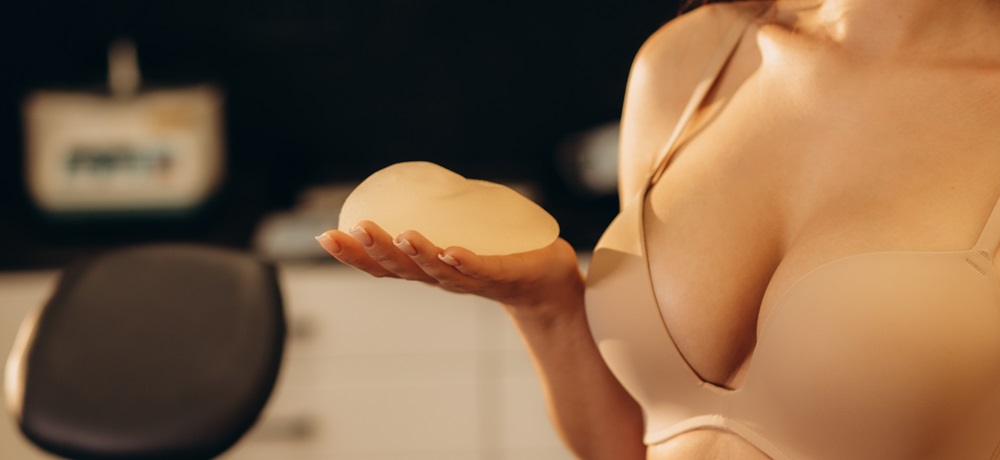
Breast augmentation remains one of the most popular cosmetic procedures worldwide, offering transformative results for countless patients. However, like any surgical intervention, breast implants are not designed to last forever, and circumstances may arise that necessitate a secondary procedure. Revision breast augmentation, also known as breast implant revision surgery, addresses complications, aesthetic concerns, or changes that occur after an initial breast augmentation.
Understanding when and why revision surgery might be needed is essential for anyone considering or who has already undergone breast augmentation. This comprehensive guide explores the various reasons patients seek revision procedures, the signs that indicate you might need one, and what to expect from the process.
Revision breast augmentation is a surgical procedure performed to correct or improve the results of a previous breast augmentation. This may involve replacing existing implants, removing implants entirely, correcting complications, or addressing aesthetic concerns that have developed over time.
Unlike primary breast augmentation, revision surgery is often more complex. The presence of scar tissue, changes to the breast pocket, and the condition of existing implants all present unique challenges that require an experienced surgeon’s expertise.
Capsular contracture is one of the most common reasons patients seek revision surgery. When breast implants are placed, the body naturally forms a capsule of scar tissue around them. In some cases, this capsule becomes thick and tight, causing the breast to feel hard, look distorted, or cause discomfort.
Capsular contracture is graded on the Baker scale from I to IV, with grades III and IV typically requiring surgical intervention. The exact cause remains unclear, though factors such as infection, bleeding, and implant rupture may contribute to its development.
Breast implants, whether saline or silicone, can rupture or leak over time. Saline implant ruptures are immediately obvious as the breast deflates visibly within hours. Silicone implant ruptures, however, can be “silent,” meaning they may not produce obvious symptoms and can only be detected through imaging such as MRI or ultrasound.
Modern silicone implants use cohesive gel that tends to hold its shape even when the implant shell is compromised, but removal and replacement are still necessary to prevent potential complications and restore breast appearance.
Sometimes patients are unhappy with the aesthetic outcome of their initial surgery. This might include concerns about implant size, shape, position, or symmetry. Preferences and body changes can evolve, and what seemed ideal initially may no longer align with a patient’s aesthetic goals.
Common aesthetic concerns include implants that appear too large or too small, asymmetry between breasts, implants positioned too high or too low, or an unnatural appearance that doesn’t suit the patient’s body frame.
Implant malposition occurs when implants shift from their intended position. This can manifest as bottoming out (where implants drop too low), lateral displacement (moving toward the armpits), symmastia (implants touching in the middle), or double bubble deformity (a visible demarcation line on the breast).
These issues can result from surgical technique, tissue characteristics, implant weight, or post-operative complications. Revision surgery can reposition the implants and reinforce the breast pocket to prevent recurrence.
Natural aging, pregnancy, breastfeeding, weight fluctuations, and gravity all affect breast tissue over time. These changes can alter how implants sit within the breast, potentially creating an aged or unnatural appearance. Some patients find that their breasts lose volume in the upper pole, creating a more obvious implant outline.
Revision surgery can address these changes by replacing implants, adding or removing volume, performing a breast lift, or adjusting implant placement to restore a youthful, natural appearance.
Implant rippling occurs when folds or wrinkles in the implant shell become visible or palpable through the skin. This is more common in patients with thin breast tissue, those with saline implants, and when implants are placed above the muscle.
While some degree of rippling may be normal, particularly at the edges of the breast, excessive rippling can be aesthetically concerning. Revision options include changing to textured implants, switching implant placement from above to below the muscle, or using fat grafting to provide additional tissue coverage.
Though controversial and not universally recognized in the medical community, some patients report experiencing a constellation of symptoms they attribute to their breast implants, collectively termed breast implant illness (BII). Reported symptoms include fatigue, joint pain, brain fog, and autoimmune-like symptoms.
Patients concerned about BII may opt for implant removal with or without replacement (explantation). While scientific evidence linking implants to these symptoms remains inconclusive, patient concerns are valid and should be addressed through informed consultation.
Recognising when revision surgery is necessary can help prevent complications and ensure optimal outcomes. Consider consulting with a plastic surgeon if you experience:
Regular monitoring through self-examination and scheduled follow-ups with your surgeon helps identify potential issues early.
Your revision journey begins with a comprehensive consultation. Your surgeon will review your surgical history, examine your breasts, discuss your concerns and goals, and may order imaging studies to assess implant condition and tissue quality.
This consultation is crucial for developing a personalised surgical plan that addresses your specific needs, whether that involves implant replacement, size change, pocket adjustment, or additional procedures such as a breast lift.
Revision breast augmentation techniques vary based on individual circumstances. The procedure may involve removing the existing capsule (capsulectomy), creating a new implant pocket, changing implant type or size, repositioning implants, or combining the revision with a breast lift or fat grafting.
The surgery typically takes longer than primary augmentation due to its complexity and is usually performed under general anaesthesia. Your surgeon will discuss the most appropriate approach for your situation.
Recovery from revision surgery is generally similar to initial breast augmentation but may require additional healing time due to the complexity of the procedure. Most patients return to light activities within a week and resume full activities within four to six weeks.
Final results become apparent as swelling subsides and tissues settle, typically within several months. Following post-operative instructions carefully and attending all follow-up appointments ensures optimal healing and outcomes.
Revision breast augmentation requires advanced surgical skills and extensive experience. When selecting a surgeon, look for board certification, specific experience in revision procedures, before-and-after photos of revision cases, and patient testimonials.
A thorough consultation where your concerns are heard and addressed is essential. Your surgeon should provide honest assessments, discuss realistic expectations, and outline all available options to help you make an informed decision.
While not all complications can be prevented, certain measures can help extend the life of your breast implants and reduce the likelihood of needing revision surgery:
Understanding that breast implants are not lifetime devices and may require replacement or revision at some point helps set realistic expectations.
How long do breast implants typically last?
Breast implants are not considered lifetime devices. While many patients have their implants for 10-20 years without issues, manufacturers generally recommend monitoring and potentially replacing implants every 10-15 years. However, some implants may need replacement sooner due to complications, while others may last longer.
Is revision breast augmentation more painful than the initial procedure?
Pain levels vary between individuals, but revision surgery is generally comparable to or slightly more uncomfortable than initial augmentation due to the presence of scar tissue and increased surgical complexity. Your surgeon will provide appropriate pain management strategies to ensure your comfort during recovery.
Will my breasts look natural after revision surgery?
With an experienced surgeon, revision breast augmentation can achieve natural-looking results that address your concerns from the initial procedure. The outcome depends on factors including tissue quality, implant selection, surgical technique, and your individual anatomy. Discuss your aesthetic goals thoroughly during consultation.
How much does revision breast augmentation cost?
The cost of revision surgery varies based on the complexity of the procedure, geographical location, and surgeon expertise. Revision procedures are typically more expensive than primary augmentation due to increased surgical time and complexity. During your consultation, you’ll receive a detailed cost breakdown specific to your needs.
Can I change my implant size during revision surgery?
Yes, many patients choose to change implant size during revision surgery, either increasing or decreasing volume. Your surgeon will help you select an appropriate size based on your goals, body proportions, and tissue characteristics. Some patients opt to remove implants entirely without replacement.
How soon can I have revision surgery after my initial augmentation?
The timing depends on your specific situation. For complications requiring urgent attention, revision may be performed sooner. For elective revisions based on aesthetic preferences, surgeons typically recommend waiting at least six months to a year after initial surgery to allow complete healing and tissue settling.
Will revision surgery leave more scars?
Surgeons often use existing scars when possible to minimise additional scarring. While revision surgery may result in some new or extended scars, experienced surgeons employ techniques to keep scarring minimal and strategically placed. Proper wound care and following post-operative instructions help optimise scar healing.
Posted In: Body Treatments Blogs
Written By: Dr Azhar Aslam
The journey can be hard, but if you've been inspired by our patients, get in touch.
Book a Consultation Request a Brochure


Linia CS Limited, trading as Linia Cosmetic Surgery, is an Appointed Representative of Chrysalis Finance Limited, which is authorised and regulated by the Financial Conduct Authority.
* Every patient is a unique individual and every surgery has unique aspects. Therefore, results may vary. To read our full disclaimer please click here.
Website by Link Digital