Considering a breast lift procedure at Linia Cosmetic Surgery? Understanding the recovery timeline is essential for planning your surgery and ensuring optimal results. This comprehensive guide walks you through each stage of healing, from the initial days post-surgery to your complete recovery.
What Is a Breast Lift?
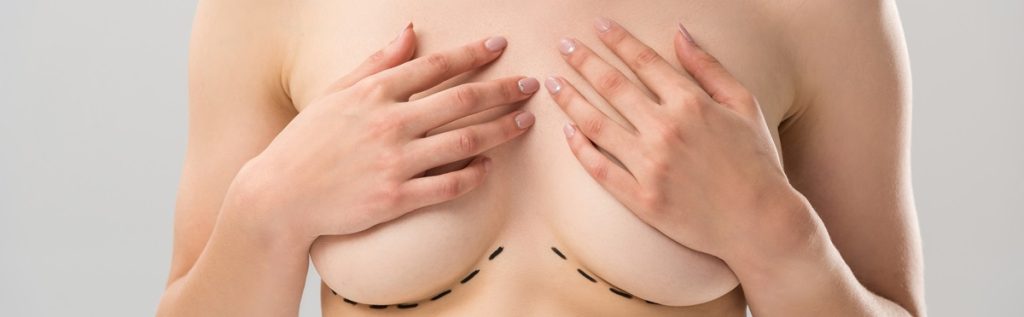
A breast lift, medically known as mastopexy, is a surgical procedure designed to raise and reshape sagging breasts by removing excess skin and tightening the surrounding tissue. This procedure can restore a more youthful breast contour and improve overall breast shape without necessarily changing breast size.
At Linia Cosmetic Surgery, our experienced surgeons tailor each breast lift procedure to your individual anatomy and aesthetic goals, ensuring natural-looking results that enhance your confidence.
Your Recovery Roadmap: Key Milestones
Day 1: Surgery day, initial recovery begins Day 3-4: Swelling peaks, then begins decreasing Week 1: First follow-up appointment, basic self-care activities Week 2: Return to light activities and desk work possible Week 4: Transition to normal supportive bras Week 6: Major follow-up, clearance for moderate exercise Month 3: Most swelling resolved, near-final results visible Month 6: Full activity clearance, continued scar improvement Year 1: Final results achieved, scars fully matured
Immediate Post-Surgery: The First 24-48 Hours
What to Expect
The initial hours following your breast lift are crucial for your recovery. You’ll wake up from anaesthesia wearing a surgical bra or compression garment designed to support your breasts and minimise swelling.
Common experiences include:
Grogginess and fatigue from anaesthesia
Moderate pain and discomfort in the chest area
Tightness across the chest
Swelling and bruising around the breasts
Drainage tubes (in some cases) to prevent fluid accumulation
Care Instructions
Your surgical team at Linia will provide detailed post-operative instructions. Generally, you should:
Rest in an elevated position with pillows supporting your upper body
Take prescribed pain medication as directed
Avoid lifting your arms above shoulder level
Have someone stay with you for at least the first 24 hours
Wear your surgical bra continuously
Keep the surgical site clean and dry
Week 1: Initial Recovery Phase
Physical Changes
The first week represents the most intensive recovery period. Your body is working hard to heal, and you’ll notice several changes:
Swelling peaks around days 3-4, then gradually begins to subside
Bruising may become more prominent before it starts fading
Breast shape appears uneven or unusual due to swelling
Incision sites may feel tender and tight
You may experience shooting pains as nerves begin healing
Activity Limitations
During this critical week, your movement should be minimal:
Avoid all strenuous activities and heavy lifting
No reaching, stretching, or raising arms overhead
Short, gentle walks around your home are encouraged to promote circulation
Sleep on your back with your upper body elevated at 30-45 degrees
No driving while taking prescription pain medication
Follow-Up Care
You’ll typically have your first post-operative appointment at Linia within 5-7 days. During this visit, your surgeon will:
Examine your incisions for proper healing
Remove or check drainage tubes if applicable
Assess swelling and overall recovery progress
Address any concerns or questions
Provide clearance for gradual activity increases
Week 2: Gradual Improvement
Healing Progress
By the second week, many patients notice significant improvements:
Pain decreases substantially and may transition to mild discomfort
Swelling begins reducing noticeably
Bruising starts fading to yellow and green tones
Energy levels improve, though fatigue may persist
You may be cleared to remove surgical drains
Stitches may be removed if non-dissolvable sutures were used
Returning to Light Activities
While you’re still healing, you can gradually expand your activities:
Resume light household tasks that don’t strain your chest
Take longer walks for gentle cardiovascular exercise
You may be cleared to drive if off pain medication and able to react quickly
Return to desk work or non-physical employment may be possible
Continue sleeping in an elevated position
Emotional Adjustments
It’s common to experience emotional fluctuations during this period. Some patients feel:
Excitement about visible changes in breast shape
Anxiety about the healing process
Impatience with activity restrictions
Concerns about scarring
These feelings are completely normal. The team at Linia Cosmetic Surgery is available to support you through any emotional challenges during recovery.
Weeks 3-4: Increased Mobility
Physical Recovery
As you enter weeks three and four, healing accelerates:
Swelling continues diminishing, revealing more of your final results
Most bruising has faded significantly
Incisions begin to flatten and fade
Sensation changes (numbness or hypersensitivity) may become more apparent
Breast shape starts looking more natural
Expanding Activities
Your surgeon may clear you for:
Light cardio exercises like walking or stationary cycling (low impact only)
Returning to most work duties, including some physical tasks
Light stretching exercises as recommended
Sleeping on your side with pillow support (if cleared by your surgeon)
Transitioning from surgical bra to supportive sports bras
Important Restrictions Still Apply
Despite feeling much better, certain limitations remain crucial:
No upper body strength training or heavy lifting
Avoid high-impact activities like running or jumping
No swimming or submerging incisions in water
Continue wearing supportive bras day and night
No underwire bras until cleared by your surgeon
Weeks 5-6: Approaching Normalcy
Healing Milestones
At this stage, you’re approaching the end of the initial recovery period:
Swelling has reduced by approximately 60-70%
Scars continue maturing and fading
Breast shape appears increasingly symmetrical
Most patients feel comfortable without pain medication
Normal sensation may begin returning, though this varies
Activity Progression
Your surgeon may approve:
Moderate cardiovascular exercise
Light upper body exercises with restricted weight
Swimming (once incisions are fully closed and healed)
Resuming most normal daily activities
Sleeping in your preferred position (with continued bra support)
Follow-Up Appointment
You’ll typically have another check-up with your Linia surgeon around week 6. This appointment assesses:
Overall healing and scar maturation
Breast shape and symmetry
Your satisfaction with results
Clearance for increased physical activities
Guidance on scar treatment options
Months 2-3: Settling into Results
Continued Healing
During this period, subtle but important changes continue:
Residual swelling gradually resolves
Breast shape settles into a more permanent position
Scars continue fading and softening
Sensation changes may persist but often improve
Final breast position becomes clearer
Physical Activity
Most patients receive clearance for:
Full range of upper body exercises
High-impact cardio activities
Contact sports (with proper support)
All pre-surgery physical activities
Wearing underwire bras if desired
Scar Management
This is an optimal time to focus on minimising scar appearance:
Use silicone scar sheets or gels as recommended
Protect scars from sun exposure with SPF 30+ sunscreen
Gentle massage may help flatten and soften scars
Stay hydrated and maintain good nutrition
Consider scar treatment options discussed with your surgeon
Months 3-6: Approaching Final Results
What to Expect
Between three and six months post-surgery, you’ll see results that closely resemble your final outcome:
Most swelling has completely resolved
Breasts have settled into their permanent position
Scars have faded significantly, though they continue improving for up to two years
Breast sensation typically returns, though some changes may be permanent
Your new breast shape is stable and natural-looking
Long-Term Care
To maintain your results and support ongoing healing:
Continue wearing properly fitted, supportive bras
Maintain a stable weight, as fluctuations affect breast shape
Stay hydrated and eat a nutrient-rich diet
Protect scars from sun exposure indefinitely
Perform regular self-examinations and maintain mammogram schedules
One Year and Beyond: Enjoying Your Results
Final Outcome
By one year post-surgery, your breast lift results are considered final:
Scars have matured and faded to thin, pale lines
All swelling has resolved completely
Breast shape and position are permanent (barring significant weight changes or pregnancy)
Sensation has returned to near-normal levels for most patients
Your confidence and satisfaction with your appearance have stabilised
Maintaining Results
To preserve your beautiful results long-term:
Wear supportive bras, especially during exercise
Maintain a healthy, stable weight
Protect breast skin from sun damage and maintain good skin health
Consider the impact of future pregnancies on breast shape
Attend regular follow-up appointments as recommended
Factors That Influence Recovery Time
Every patient’s recovery journey is unique. Several factors can affect your healing timeline:
Surgical Technique
Different breast lift techniques involve varying degrees of tissue manipulation:
Antioxidants: Supports overall healing (colourful fruits and vegetables)
Returning to Exercise: A Phased Approach
Physical activity should be reintroduced gradually to avoid complications.
Weeks 1-2: Gentle Movement Only
Short walks around your home or neighbourhood
Light stretching of legs and lower body
Deep breathing exercises
Avoid: All upper body movement, lifting, bending, stretching
Weeks 3-4: Light Cardio Introduction
Extended walking (15-20 minutes)
Stationary bike (low resistance)
Light yoga (avoiding upper body poses)
Avoid: Upper body work, high-impact activities, swimming
Weeks 5-6: Moderate Activity
Brisk walking or light jogging (if cleared)
Elliptical machine (low intensity)
Swimming (once incisions are healed)
Light resistance training for lower body
Avoid: Heavy lifting, high-impact cardio, chest exercises
Months 2-3: Increasing Intensity
Most cardio activities at moderate intensity
Light upper body weights (5-10 pounds)
Core strengthening exercises
Avoid: Heavy chest-focused exercises, very high-impact activities
Month 3+: Full Activity Resumption
All pre-surgery activities (with surgeon clearance)
Full weight training program
High-intensity interval training
Contact sports with proper support
Managing Pain and Discomfort
Pain Timeline
Understanding typical pain patterns helps set realistic expectations:
Days 1-3: Moderate to significant pain, managed with prescription medication
Days 4-7: Decreasing pain, transitioning to over-the-counter medication
Weeks 2-3: Mild discomfort, occasional paracetamol or ibuprofen sufficient
Week 4+: Minimal discomfort, usually medication-free
Pain Management Strategies
Beyond medication, consider:
Cold compresses to reduce swelling (never directly on incisions)
Proper positioning with supportive pillows
Relaxation techniques and deep breathing
Distraction through entertainment or light activities
Wearing properly fitted compression garments
Staying ahead of pain rather than waiting until it’s severe
Emotional Recovery Journey
Physical healing is only part of the recovery process. Many patients experience emotional adjustments:
Common Emotional Phases
Initial excitement (Days 1-3): Despite discomfort, many feel thrilled about their decision and eager to see results.
Recovery blues (Week 1-2): Discomfort, limitations, and swelling can cause temporary sadness or frustration. This is normal and temporary.
Impatience (Weeks 3-6): As you feel better but still see swelling and restrictions, impatience with the healing process is common.
Renewed confidence (Months 2-3): As results become apparent, most patients experience growing satisfaction and confidence.
Supporting Emotional Wellbeing
Maintain realistic expectations about the timeline
Focus on incremental progress rather than final results
Stay connected with supportive friends and family
Reach out to your Linia care team with concerns
Join online support communities for shared experiences
Practice self-compassion and patience
Frequently Asked Questions
When can I return to work after a breast lift?
Most patients return to desk jobs within 1-2 weeks. Physically demanding work may require 4-6 weeks off. Your surgeon will provide personalised guidance based on your job requirements.
How long until I see my final breast lift results?
While you’ll notice immediate changes, final results typically become apparent 3-6 months post-surgery once swelling completely resolves and breasts settle into their permanent position.
Will my breast lift scars fade?
Yes, breast lift scars fade significantly over time. Most scars mature and lighten considerably within 12-18 months, continuing to improve for up to two years.
When can I wear an underwire bra after breast lift?
Most surgeons recommend waiting 6-8 weeks before wearing underwire bras. Your Linia surgeon will advise when it’s safe based on your healing progress.
Can I sleep on my side after breast lift surgery?
Side sleeping is typically permitted after 3-4 weeks with proper pillow support, though back sleeping is recommended for the first few weeks. Always follow your surgeon’s specific guidance.
How painful is breast lift recovery?
Pain levels vary, but most patients describe moderate discomfort for the first 3-4 days, which is well-managed with prescribed medication. Pain typically decreases significantly by the end of the first week.
Trustindex verifies that the original source of the review is Google.
The whole experience from start to finish was incredible. I'd been to a few other clinics before opting with Linia. Dr Ishad makes you feel completely at ease along side his team. Communication has been really good and I cannot fault the after care treatment either. Dr Ishad did suggest an uplift but I opted to not go ahead with this as I felt that I would be happy with my results post breastfeeding with just the implants. I honestly couldn't be any happier and Ive had lots of positive comments about how natural then look and in proportion with my body. Recovery has gone very smoothly so far and I am 9 months post surgery.
Highly recommend
Posted on
Natalie Schmidt
Trustindex verifies that the original source of the review is Google.
I have had breast augmentation surgery with Linia, and I am very satisfied.
I used to be bullied because of my flat chest when I was a teenager and I have struggled with my self image ever since.
I have been considering breast augmentation surgery for decades, but I have been too scared of having surgery.
I am so glad to have taken the leap eventually.
Mr Samouris was kind and took his time to explain the procedure, he enquired about the reasons for my decision and I felt seen and valued. For the actual surgery, Mr Samouris has done an absolutely stellar job, my breasts look amazing! I couldn't be happier!
The whole team were kind and helpful, especially Jayne who phoned me frequently - checking how I was doing - before and after my surgery.
I would definitely recommend them.
Posted on
Millie Gould
Trustindex verifies that the original source of the review is Google.
I had a ba 3 weeks ago and I cannot THANK everyone enough. Everyone I met were amazing with me and so kind. I got quite emotional when I woke up after surgery and the ladies looking after me cared for me so much and I can’t be happier. Definitely recommend x
Posted on
Lauren Oastler
Trustindex verifies that the original source of the review is Google.
Had treatment by Dr. Irshad at Harley Street. Cant thank him or his team enough, the results are amazing!! Highly recommend Linia and Dr. Irshad for anyone looking into cosmetic surgery. The first consultation, the operation and post-op meetings have been great! 10/10
Posted on
Fabiane Page
Trustindex verifies that the original source of the review is Google.
I had treatment with Dr Aslam, he and his staff are lovely, attentive and caring. Dr Aslam did an exceptional job with my treatment. Something that was my biggest insecurity I feel is now one of my assets! Highly recommend! Thank you so much for everything you have done.
Linia CS Limited, trading as Linia Cosmetic Surgery, is an Appointed Representative of Chrysalis Finance Limited, which is authorised and regulated by the Financial Conduct Authority.
* Every patient is a unique individual and every surgery has unique aspects. Therefore, results may vary. To read our full disclaimer please click here.